
TV-Series
Description
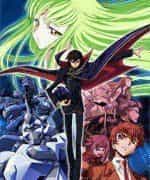
"Code Geass: Lelouch of the Rebellion" is set in an alternate timeline where the Holy Britannian Empire has conquered much of the world, including Japan, now referred to as Area 11. The story centers on Lelouch Lamperouge, an exiled Britannian prince living in Area 11 under a false identity. Disillusioned by Britannia's oppressive rule and driven by a desire to create a better world for his younger sister, Nunnally, Lelouch gains a mysterious power known as Geass from a girl named C.C. This power allows him to command absolute obedience from anyone, but only once per person.
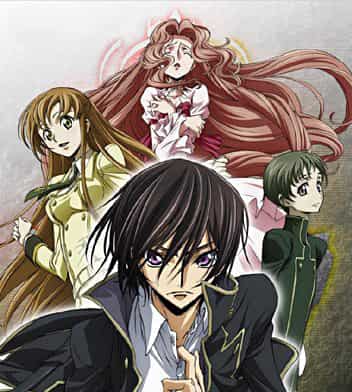
Using his newfound ability, Lelouch adopts the alias "Zero" and leads a rebellion against Britannia under the banner of the Black Knights, a group of resistance fighters. His strategic genius and Geass enable him to outmaneuver Britannian forces, rallying the oppressed Japanese people and other dissidents to his cause. However, Lelouch's ambitions are complicated by his relationships with key figures, including his childhood friend Suzaku Kururugi, who serves as a knight for Britannia, and his conflicted feelings for Shirley Fenette and Kallen Stadtfeld.
As the rebellion gains momentum, Lelouch's actions grow increasingly ruthless, blurring the line between hero and villain. His manipulation of allies and enemies alike leads to significant victories but also deepens the moral ambiguity of his mission. Suzaku, who opposes Lelouch's methods, becomes a formidable adversary, driven by his belief in reforming Britannia from within. The tension between their ideals and personal history forms a central conflict in the narrative.
The story explores themes of power, loyalty, and the consequences of ambition. Lelouch's Geass becomes both a tool and a curse, as its misuse leads to unintended tragedies, including the deaths of those close to him. The narrative also delves into the political machinations of Britannia, the resistance, and other global powers, revealing a complex web of alliances and betrayals.
In the climactic final arc, Lelouch orchestrates a grand plan to dismantle Britannia's empire and create a lasting peace, even if it means sacrificing his own reputation and life. The series concludes with a morally ambiguous resolution, leaving the impact of Lelouch's actions open to interpretation. The characters' development, intricate plot twists, and exploration of ethical dilemmas contribute to the series' enduring appeal.
Using his newfound ability, Lelouch adopts the alias "Zero" and leads a rebellion against Britannia under the banner of the Black Knights, a group of resistance fighters. His strategic genius and Geass enable him to outmaneuver Britannian forces, rallying the oppressed Japanese people and other dissidents to his cause. However, Lelouch's ambitions are complicated by his relationships with key figures, including his childhood friend Suzaku Kururugi, who serves as a knight for Britannia, and his conflicted feelings for Shirley Fenette and Kallen Stadtfeld.
As the rebellion gains momentum, Lelouch's actions grow increasingly ruthless, blurring the line between hero and villain. His manipulation of allies and enemies alike leads to significant victories but also deepens the moral ambiguity of his mission. Suzaku, who opposes Lelouch's methods, becomes a formidable adversary, driven by his belief in reforming Britannia from within. The tension between their ideals and personal history forms a central conflict in the narrative.
The story explores themes of power, loyalty, and the consequences of ambition. Lelouch's Geass becomes both a tool and a curse, as its misuse leads to unintended tragedies, including the deaths of those close to him. The narrative also delves into the political machinations of Britannia, the resistance, and other global powers, revealing a complex web of alliances and betrayals.
In the climactic final arc, Lelouch orchestrates a grand plan to dismantle Britannia's empire and create a lasting peace, even if it means sacrificing his own reputation and life. The series concludes with a morally ambiguous resolution, leaving the impact of Lelouch's actions open to interpretation. The characters' development, intricate plot twists, and exploration of ethical dilemmas contribute to the series' enduring appeal.
Comment(s)
2
Relations
Anime overview




Music
Opening
- 1-12“"COLORS"” - FLOW
- 13-23“"Kaidoku Funō" (解読不能)” - Jinn
- 24-25“"Hitomi no Tsubasa"” - Access
Ending
- 1-12“"Yūkyō Seishunka" (勇侠青春謳)” - Ali Project
- 13-23“"Mosaic Kakera" (モザイクカケラ)” - SunSet Swish
- ?“"COLORS"” - FLOW (ep 24)
- ?“"COLORS"” - FLOW (ep 25)
- ?“"Innocent Days"” - Hitomi (ep 25)
Insert songs
- 21“"Alone"” - Hitomi
- 20“"callin'"” - Mikio Sakai
- 22“"Innocent Days"” - Hitomi
- 14“"Masquerade"” - Hitomi
- 17“"Picaresque" (ピカレスク)” - Mikio Sakai
- 5“"stories"” - Hitomi