
Movie
Description
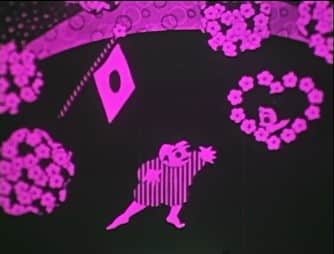
"Song of Spring" is a fantasy romance anime set in a world where seasons are governed by mystical beings known as Season Keepers. The narrative centers on Haruto, a young man living in a small village where spring has not arrived for years, leaving the land barren and its people struggling. Haruto’s life changes when he encounters Sakuya, the Spring Keeper, who has been imprisoned by an ancient curse. Sakuya’s absence has disrupted the natural cycle, causing the perpetual winter. Haruto, driven by a desire to restore balance and inspired by his late grandmother’s tales of the Season Keepers, embarks on a journey to break the curse and free Sakuya.
The story unfolds as Haruto and Sakuya travel across the land, encountering other Season Keepers—Summer, Autumn, and Winter—each with their own struggles and ties to the curse. The Summer Keeper, Aoi, is a fiery and impulsive guardian whose powers have grown unstable due to the imbalance. The Autumn Keeper, Akizuki, is a melancholic figure burdened by the memories of past failures. The Winter Keeper, Fuyuki, is a stoic and enigmatic being who initially opposes Haruto’s mission, believing the curse to be a necessary punishment for humanity’s past transgressions.
As Haruto and Sakuya work to unite the Season Keepers, they uncover the origins of the curse, which stems from a betrayal centuries ago involving a human and a Season Keeper. This betrayal led to the imprisonment of Sakuya and the fracturing of the natural order. The narrative explores themes of trust, redemption, and the interconnectedness of humanity and nature. Haruto’s determination and compassion gradually influence the Season Keepers, fostering cooperation and healing old wounds.
The climax of the story involves a confrontation with the ancient force responsible for the curse, requiring Haruto and the Season Keepers to combine their strengths to restore the balance of the seasons. The resolution sees the return of spring to Haruto’s village, symbolizing hope and renewal. The series concludes with Haruto and Sakuya parting ways, as Sakuya resumes her duties as the Spring Keeper, while Haruto remains in the human world, forever changed by his journey. The ending leaves room for reflection on the cyclical nature of seasons and the enduring bond between humans and the forces that shape their world.
The story unfolds as Haruto and Sakuya travel across the land, encountering other Season Keepers—Summer, Autumn, and Winter—each with their own struggles and ties to the curse. The Summer Keeper, Aoi, is a fiery and impulsive guardian whose powers have grown unstable due to the imbalance. The Autumn Keeper, Akizuki, is a melancholic figure burdened by the memories of past failures. The Winter Keeper, Fuyuki, is a stoic and enigmatic being who initially opposes Haruto’s mission, believing the curse to be a necessary punishment for humanity’s past transgressions.
As Haruto and Sakuya work to unite the Season Keepers, they uncover the origins of the curse, which stems from a betrayal centuries ago involving a human and a Season Keeper. This betrayal led to the imprisonment of Sakuya and the fracturing of the natural order. The narrative explores themes of trust, redemption, and the interconnectedness of humanity and nature. Haruto’s determination and compassion gradually influence the Season Keepers, fostering cooperation and healing old wounds.
The climax of the story involves a confrontation with the ancient force responsible for the curse, requiring Haruto and the Season Keepers to combine their strengths to restore the balance of the seasons. The resolution sees the return of spring to Haruto’s village, symbolizing hope and renewal. The series concludes with Haruto and Sakuya parting ways, as Sakuya resumes her duties as the Spring Keeper, while Haruto remains in the human world, forever changed by his journey. The ending leaves room for reflection on the cyclical nature of seasons and the enduring bond between humans and the forces that shape their world.
Comment(s)
Staff
- MusicShiro Matsumoto
- DirectorNoburō Ōfuji
Production
- ProductionChiyogami Eigasha