
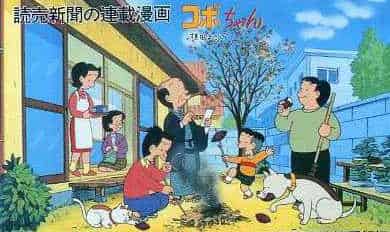
TV-Series
Description
"Kobo-chan" is a slice-of-life anime series centered around the daily life of a young girl named Kobo, who lives with her family in a small, peaceful town. The narrative unfolds through a series of episodic vignettes, capturing the simplicity and charm of everyday experiences. Kobo is a cheerful and curious child, often seen exploring her surroundings, interacting with her family, and engaging in playful adventures with her friends. Her interactions with her parents, particularly her father, who often indulges her whims, and her mother, who provides a grounding presence, form a core part of the story.
The series emphasizes the warmth of familial bonds and the innocence of childhood. Kobo’s younger brother, Tama-chan, frequently appears, adding a dynamic sibling relationship to the narrative. The siblings’ playful bickering and shared moments of discovery highlight the joys and challenges of growing up. The family’s pet cat, Nyaa, also plays a recurring role, often serving as a silent observer or companion to Kobo’s antics.
Kobo’s adventures extend beyond her home, as she explores her neighborhood and interacts with a variety of characters, including her friends and neighbors. These interactions often lead to humorous or heartwarming situations, showcasing the close-knit nature of the community. The series avoids complex conflicts or dramatic plotlines, instead focusing on the small, relatable moments that define childhood. Themes of curiosity, imagination, and the importance of family and friendship are woven throughout the narrative.
The episodic structure of "Kobo-chan" allows each story to stand on its own, making it accessible to viewers of all ages. The simplicity of the plot and the relatable nature of the characters contribute to the series’ enduring appeal. By capturing the essence of everyday life through the eyes of a child, "Kobo-chan" offers a nostalgic and comforting portrayal of childhood in a way that resonates with audiences.
The series emphasizes the warmth of familial bonds and the innocence of childhood. Kobo’s younger brother, Tama-chan, frequently appears, adding a dynamic sibling relationship to the narrative. The siblings’ playful bickering and shared moments of discovery highlight the joys and challenges of growing up. The family’s pet cat, Nyaa, also plays a recurring role, often serving as a silent observer or companion to Kobo’s antics.
Kobo’s adventures extend beyond her home, as she explores her neighborhood and interacts with a variety of characters, including her friends and neighbors. These interactions often lead to humorous or heartwarming situations, showcasing the close-knit nature of the community. The series avoids complex conflicts or dramatic plotlines, instead focusing on the small, relatable moments that define childhood. Themes of curiosity, imagination, and the importance of family and friendship are woven throughout the narrative.
The episodic structure of "Kobo-chan" allows each story to stand on its own, making it accessible to viewers of all ages. The simplicity of the plot and the relatable nature of the characters contribute to the series’ enduring appeal. By capturing the essence of everyday life through the eyes of a child, "Kobo-chan" offers a nostalgic and comforting portrayal of childhood in a way that resonates with audiences.
Comment(s)
Staff
- Chief DirectorHiromitsu Morita
- MusicHayato Kanbayashi
- Animation Director
- Executive producerHidenori Murata
- Character DesignJōji Yanase
- Series CompositionNoboru Shiroyama
- Original Manga
- Director of PhotographyYoshiyuki TamagawaMasao Ōnuki
- ProducerMichihiko SuwaTatsuo Ono
- Art DirectorMoritoshi Endō
Production
- ProductionYTVEiken
- Animation ProductionEiken
Relations
Manga overview
Music
Opening
Ending
Ep. 1-20
Ep. 1-20
Ep. 21-42
Ep. 43-63