Movie
Description
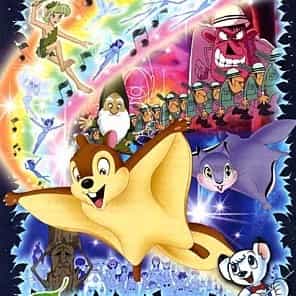
"Legend of the Forest" is a four-part animated short film directed by Osamu Tezuka, blending traditional animation with experimental techniques. The narrative unfolds in a lush, mystical forest, serving as a microcosm of nature's beauty and fragility. The story is divided into distinct chapters, each exploring themes of environmentalism, the clash between industrialization and nature, and the cyclical relationship between humans and the natural world.
The first chapter introduces a serene forest inhabited by anthropomorphic animals living in harmony. The tranquility is disrupted by the arrival of humans, who begin deforestation to build a railway. The animals, led by a courageous squirrel, attempt to resist the destruction of their home. This segment highlights the initial conflict between progress and preservation, with the animals symbolizing the innocence and vulnerability of nature.
In the second chapter, the narrative shifts to a more fantastical tone, depicting a battle between the forest spirits and the forces of industrialization. The spirits, representing the forest's life force, confront machines and human greed in a surreal, dreamlike sequence. This segment emphasizes the spiritual and emotional connection between nature and its inhabitants, portraying the forest as a living entity with its own will and defenses.
The third chapter delves into the consequences of deforestation, showing the forest's gradual decline and the animals' struggle to survive. The squirrel, now older and wiser, becomes a symbol of resilience, guiding the remaining creatures to adapt to their changing environment. This segment underscores the long-term impact of human actions on ecosystems and the resilience of nature in the face of adversity.
The final chapter serves as a reflection on the cyclical nature of life and renewal. The forest, though scarred, begins to regenerate, and new life emerges from the ashes of destruction. The narrative concludes with a hopeful message, suggesting that while human actions can cause harm, nature possesses an inherent ability to heal and rebuild over time.
Throughout the film, the characters are largely symbolic, with the squirrel representing perseverance and the forest spirits embodying the mystical aspects of nature. The humans, though not deeply characterized, serve as a collective force of change and conflict. The story's structure, divided into distinct yet interconnected chapters, allows for a multifaceted exploration of its central themes, blending allegory with environmental commentary. The animation style evolves across the chapters, mirroring the narrative's progression from realism to abstraction, further enhancing the thematic depth of the story.
The first chapter introduces a serene forest inhabited by anthropomorphic animals living in harmony. The tranquility is disrupted by the arrival of humans, who begin deforestation to build a railway. The animals, led by a courageous squirrel, attempt to resist the destruction of their home. This segment highlights the initial conflict between progress and preservation, with the animals symbolizing the innocence and vulnerability of nature.
In the second chapter, the narrative shifts to a more fantastical tone, depicting a battle between the forest spirits and the forces of industrialization. The spirits, representing the forest's life force, confront machines and human greed in a surreal, dreamlike sequence. This segment emphasizes the spiritual and emotional connection between nature and its inhabitants, portraying the forest as a living entity with its own will and defenses.
The third chapter delves into the consequences of deforestation, showing the forest's gradual decline and the animals' struggle to survive. The squirrel, now older and wiser, becomes a symbol of resilience, guiding the remaining creatures to adapt to their changing environment. This segment underscores the long-term impact of human actions on ecosystems and the resilience of nature in the face of adversity.
The final chapter serves as a reflection on the cyclical nature of life and renewal. The forest, though scarred, begins to regenerate, and new life emerges from the ashes of destruction. The narrative concludes with a hopeful message, suggesting that while human actions can cause harm, nature possesses an inherent ability to heal and rebuild over time.
Throughout the film, the characters are largely symbolic, with the squirrel representing perseverance and the forest spirits embodying the mystical aspects of nature. The humans, though not deeply characterized, serve as a collective force of change and conflict. The story's structure, divided into distinct yet interconnected chapters, allows for a multifaceted exploration of its central themes, blending allegory with environmental commentary. The animation style evolves across the chapters, mirroring the narrative's progression from realism to abstraction, further enhancing the thematic depth of the story.
Comment(s)
Staff
- Director
- Storyboard
- Sound DirectorTakashi Ui
- ProducerTakayuki Matsutani
- Scenario
- Art DirectorMasami Saito
- Director of PhotographyMasaaki Fujita
- MusicPyotr Ilyich Tchaikovsky
Production
- ProductionTezuka Productions
Relations
Recommendations based on shared tags.