
Manga
Description
"Kaeru-chan" centers on a young girl named Kaeru, who lives in a small, rural village surrounded by nature. Kaeru is an orphan, raised by her grandmother, and possesses a unique ability to communicate with animals, particularly frogs. This ability sets her apart from others in the village, leading to both admiration and isolation. The story explores her daily life, her interactions with the natural world, and her struggles to find her place in a community that views her as different.
The narrative unfolds through episodic chapters, each focusing on Kaeru’s encounters with various animals and villagers. These encounters often highlight themes of empathy, coexistence, and the delicate balance between humans and nature. Kaeru’s bond with frogs is central to the story, as they serve as her companions and guides, helping her navigate challenges and offering wisdom. Her grandmother, a wise and nurturing figure, plays a significant role in shaping Kaeru’s understanding of her abilities and the world around her.
As the story progresses, Kaeru faces external conflicts, such as the encroachment of modernization on her village and the arrival of outsiders who threaten the natural harmony she cherishes. These challenges test her resilience and force her to confront her fears and insecurities. Despite these obstacles, Kaeru remains steadfast in her commitment to protecting the environment and fostering understanding between humans and animals.
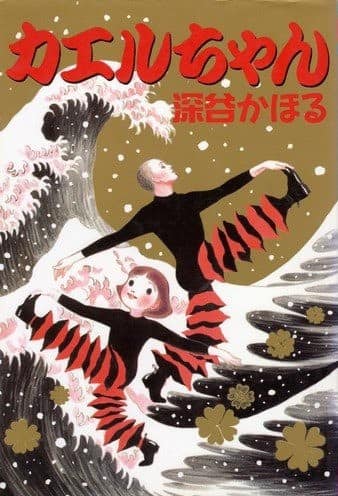
The manga’s tone is gentle and reflective, with a focus on character development and the emotional nuances of Kaeru’s journey. The artwork complements the narrative, emphasizing the beauty of the natural world and the simplicity of rural life. Through Kaeru’s experiences, the story conveys a message of respect for nature and the importance of compassion in bridging divides. The series is a heartfelt exploration of identity, community, and the interconnectedness of all living things.
The narrative unfolds through episodic chapters, each focusing on Kaeru’s encounters with various animals and villagers. These encounters often highlight themes of empathy, coexistence, and the delicate balance between humans and nature. Kaeru’s bond with frogs is central to the story, as they serve as her companions and guides, helping her navigate challenges and offering wisdom. Her grandmother, a wise and nurturing figure, plays a significant role in shaping Kaeru’s understanding of her abilities and the world around her.
As the story progresses, Kaeru faces external conflicts, such as the encroachment of modernization on her village and the arrival of outsiders who threaten the natural harmony she cherishes. These challenges test her resilience and force her to confront her fears and insecurities. Despite these obstacles, Kaeru remains steadfast in her commitment to protecting the environment and fostering understanding between humans and animals.
The manga’s tone is gentle and reflective, with a focus on character development and the emotional nuances of Kaeru’s journey. The artwork complements the narrative, emphasizing the beauty of the natural world and the simplicity of rural life. Through Kaeru’s experiences, the story conveys a message of respect for nature and the importance of compassion in bridging divides. The series is a heartfelt exploration of identity, community, and the interconnectedness of all living things.
Comment(s)
Staff
- Story & ArtKaoru Fukaya