Manga
Description
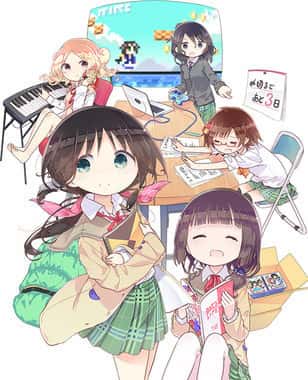
"Magic of Stella" centers on Tamaki Honda, a high school freshman who joins the SNS club, a group dedicated to creating doujin games. The club, named after its founding members Shiina, Nana, and Sakura, is a tight-knit group of students who share a passion for game development. Tamaki, an aspiring artist, is drawn to the club after seeing their work at a cultural festival. She quickly becomes involved in the creative process, contributing her artistic skills to the team’s projects.
The narrative unfolds through the club’s collaborative efforts to produce games for Comiket, a major doujin event. Each member brings unique talents to the table: Shiina is the programmer, Nana handles the music, and Sakura writes the scenarios. Tamaki’s growth as an artist and her integration into the group form a central thread of the story. The series explores the challenges of balancing creativity with deadlines, the dynamics of teamwork, and the personal aspirations of each character.
Secondary characters, such as Ayame Seki, a fellow club member with a sharp tongue, and Kayo Fujino, a supportive upperclassman, add depth to the interactions within the group. The manga delves into their individual struggles and motivations, providing a well-rounded portrayal of the club’s members. The story also highlights the broader doujin culture, showcasing the dedication and passion required to create independent games.
Throughout the series, the club faces various obstacles, from technical difficulties to creative disagreements, but their shared enthusiasm for game development keeps them united. The manga balances lighthearted moments with more serious reflections on the creative process, offering a realistic yet optimistic view of amateur game development. The characters’ camaraderie and determination to improve their craft drive the narrative, making "Magic of Stella" a compelling exploration of creativity and collaboration.
The narrative unfolds through the club’s collaborative efforts to produce games for Comiket, a major doujin event. Each member brings unique talents to the table: Shiina is the programmer, Nana handles the music, and Sakura writes the scenarios. Tamaki’s growth as an artist and her integration into the group form a central thread of the story. The series explores the challenges of balancing creativity with deadlines, the dynamics of teamwork, and the personal aspirations of each character.
Secondary characters, such as Ayame Seki, a fellow club member with a sharp tongue, and Kayo Fujino, a supportive upperclassman, add depth to the interactions within the group. The manga delves into their individual struggles and motivations, providing a well-rounded portrayal of the club’s members. The story also highlights the broader doujin culture, showcasing the dedication and passion required to create independent games.
Throughout the series, the club faces various obstacles, from technical difficulties to creative disagreements, but their shared enthusiasm for game development keeps them united. The manga balances lighthearted moments with more serious reflections on the creative process, offering a realistic yet optimistic view of amateur game development. The characters’ camaraderie and determination to improve their craft drive the narrative, making "Magic of Stella" a compelling exploration of creativity and collaboration.
Comment(s)
Staff
- Story & Art
Relations
Anime overview