Manga
Description
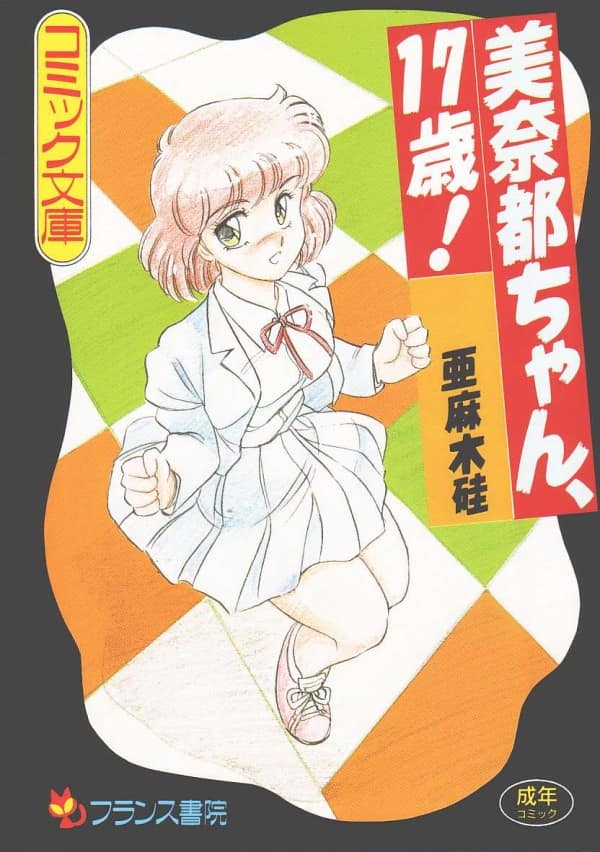
"Minato-chan, 17-sai!" centers on the life of Minato, a 17-year-old high school student navigating the complexities of adolescence, family dynamics, and personal growth. The narrative explores her relationships with her peers, her struggles with self-identity, and the challenges of balancing school life with her responsibilities at home. Minato’s interactions with her classmates, particularly her close friends, reveal the pressures and expectations placed on teenagers, as well as the emotional turbulence that accompanies this stage of life.
The story delves into Minato’s family life, highlighting her relationship with her parents and younger sibling. Her father’s absence and her mother’s overbearing nature create tension, forcing Minato to take on a more mature role within the household. This dynamic shapes her character, as she grapples with feelings of resentment and responsibility while striving to maintain her independence. The manga also touches on themes of friendship and loyalty, as Minato’s bond with her best friend, Yuki, is tested by misunderstandings and external influences.
Romantic elements are woven into the narrative, with Minato developing feelings for a classmate, Hiroshi. Their budding relationship is portrayed with a mix of awkwardness and sincerity, reflecting the uncertainties of first love. The manga avoids overly dramatic tropes, instead focusing on the subtle, everyday moments that define their connection. Hiroshi’s own struggles with family expectations and personal insecurities add depth to his character, making their interactions feel grounded and relatable.
Throughout the series, Minato’s journey is marked by moments of introspection and growth. She confronts her fears, learns to communicate more openly with those around her, and gradually gains a clearer sense of self. The manga balances lighthearted, comedic scenes with more serious, emotional moments, creating a well-rounded portrayal of teenage life. The supporting cast, including teachers and other classmates, contributes to the richness of the story, offering varied perspectives on the challenges and joys of adolescence.
"Minato-chan, 17-sai!" is a slice-of-life manga that captures the nuances of growing up, emphasizing the importance of relationships, self-discovery, and resilience. Its realistic portrayal of teenage experiences resonates with readers, making it a relatable and engaging narrative.
The story delves into Minato’s family life, highlighting her relationship with her parents and younger sibling. Her father’s absence and her mother’s overbearing nature create tension, forcing Minato to take on a more mature role within the household. This dynamic shapes her character, as she grapples with feelings of resentment and responsibility while striving to maintain her independence. The manga also touches on themes of friendship and loyalty, as Minato’s bond with her best friend, Yuki, is tested by misunderstandings and external influences.
Romantic elements are woven into the narrative, with Minato developing feelings for a classmate, Hiroshi. Their budding relationship is portrayed with a mix of awkwardness and sincerity, reflecting the uncertainties of first love. The manga avoids overly dramatic tropes, instead focusing on the subtle, everyday moments that define their connection. Hiroshi’s own struggles with family expectations and personal insecurities add depth to his character, making their interactions feel grounded and relatable.
Throughout the series, Minato’s journey is marked by moments of introspection and growth. She confronts her fears, learns to communicate more openly with those around her, and gradually gains a clearer sense of self. The manga balances lighthearted, comedic scenes with more serious, emotional moments, creating a well-rounded portrayal of teenage life. The supporting cast, including teachers and other classmates, contributes to the richness of the story, offering varied perspectives on the challenges and joys of adolescence.
"Minato-chan, 17-sai!" is a slice-of-life manga that captures the nuances of growing up, emphasizing the importance of relationships, self-discovery, and resilience. Its realistic portrayal of teenage experiences resonates with readers, making it a relatable and engaging narrative.
Comment(s)
Staff
- Story & Art