
Manga
Description
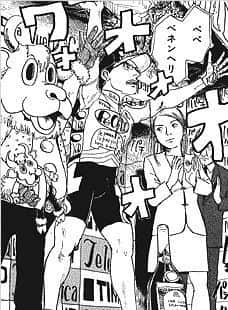
"Nasu" is a sports manga centered around competitive cycling, blending intense athletic competition with personal drama and human relationships. The narrative primarily focuses on Pepe, a Spanish professional cyclist, as he navigates the challenges of the sport and his personal life. The story unfolds during a single day of the Vuelta a España, one of the most prestigious cycling races in the world. Pepe, a domestique rider, is tasked with supporting his team’s star cyclist, but his motivations are complicated by personal stakes. His ex-girlfriend, Carmen, is now married to his rival, a fellow cyclist, adding emotional tension to the race.
The plot delves into the physical and mental demands of professional cycling, showcasing the strategic teamwork, endurance, and sacrifices required to compete at the highest level. Pepe’s internal struggles are juxtaposed with the external pressures of the race, as he grapples with his role as a support rider and his desire for individual recognition. The manga highlights the camaraderie and rivalries within the peloton, as well as the intricate dynamics between teammates and competitors.
Secondary characters, such as Pepe’s teammates, rivals, and Carmen, play significant roles in shaping the narrative. Their interactions with Pepe reveal the complexities of loyalty, ambition, and personal relationships in the high-stakes world of professional cycling. The race itself serves as a backdrop for exploring themes of perseverance, identity, and the pursuit of dreams, as Pepe confronts his past and strives to prove his worth on the road.
The manga’s pacing mirrors the rhythm of a cycling race, with moments of intense action interspersed with quieter, reflective scenes. The detailed depiction of cycling tactics, race strategies, and the physical toll on riders adds authenticity to the story. Through its focus on both the sport and the personal lives of its characters, "Nasu" offers a compelling portrayal of the human side of competitive cycling.
The plot delves into the physical and mental demands of professional cycling, showcasing the strategic teamwork, endurance, and sacrifices required to compete at the highest level. Pepe’s internal struggles are juxtaposed with the external pressures of the race, as he grapples with his role as a support rider and his desire for individual recognition. The manga highlights the camaraderie and rivalries within the peloton, as well as the intricate dynamics between teammates and competitors.
Secondary characters, such as Pepe’s teammates, rivals, and Carmen, play significant roles in shaping the narrative. Their interactions with Pepe reveal the complexities of loyalty, ambition, and personal relationships in the high-stakes world of professional cycling. The race itself serves as a backdrop for exploring themes of perseverance, identity, and the pursuit of dreams, as Pepe confronts his past and strives to prove his worth on the road.
The manga’s pacing mirrors the rhythm of a cycling race, with moments of intense action interspersed with quieter, reflective scenes. The detailed depiction of cycling tactics, race strategies, and the physical toll on riders adds authenticity to the story. Through its focus on both the sport and the personal lives of its characters, "Nasu" offers a compelling portrayal of the human side of competitive cycling.
Comment(s)