
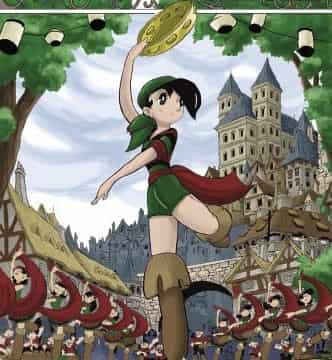
Manga
Description
"Tonkaratani Monogatari" is a manga series that explores themes of rural life, tradition, and personal growth within a small, close-knit community. The narrative centers on a young protagonist who returns to their ancestral village, Tonkaratani, after spending years in the city. The village is depicted as a place steeped in history and folklore, where the rhythms of daily life are deeply intertwined with nature and age-old customs.
The protagonist, initially disconnected from the village's way of life, gradually becomes immersed in its traditions and responsibilities. Through interactions with the villagers, including elders, farmers, and artisans, the protagonist begins to understand the significance of preserving cultural heritage. The story highlights the challenges of balancing modernity with tradition, as the village faces external pressures from urbanization and economic changes.
Key characters include the village head, a wise and pragmatic leader who serves as a mentor to the protagonist; a spirited young farmer who embodies the resilience and optimism of the community; and an elderly storyteller who preserves the village's myths and legends. These characters, along with others, contribute to the protagonist's journey of self-discovery and their growing appreciation for the village's way of life.
The plot unfolds through a series of episodic arcs, each focusing on specific aspects of village life, such as seasonal festivals, agricultural practices, and local craftsmanship. These arcs are interwoven with moments of personal reflection and interpersonal drama, creating a narrative that is both grounded and introspective. The manga also incorporates elements of magical realism, with subtle hints of the supernatural that enhance the village's mystique without overshadowing the human stories at its core.
Overall, "Tonkaratani Monogatari" presents a nuanced portrayal of rural existence, emphasizing the importance of community, tradition, and the enduring connection between people and their environment. The series offers a thoughtful exploration of identity and belonging, set against the backdrop of a vividly realized village that feels both timeless and deeply rooted in its cultural context.
The protagonist, initially disconnected from the village's way of life, gradually becomes immersed in its traditions and responsibilities. Through interactions with the villagers, including elders, farmers, and artisans, the protagonist begins to understand the significance of preserving cultural heritage. The story highlights the challenges of balancing modernity with tradition, as the village faces external pressures from urbanization and economic changes.
Key characters include the village head, a wise and pragmatic leader who serves as a mentor to the protagonist; a spirited young farmer who embodies the resilience and optimism of the community; and an elderly storyteller who preserves the village's myths and legends. These characters, along with others, contribute to the protagonist's journey of self-discovery and their growing appreciation for the village's way of life.
The plot unfolds through a series of episodic arcs, each focusing on specific aspects of village life, such as seasonal festivals, agricultural practices, and local craftsmanship. These arcs are interwoven with moments of personal reflection and interpersonal drama, creating a narrative that is both grounded and introspective. The manga also incorporates elements of magical realism, with subtle hints of the supernatural that enhance the village's mystique without overshadowing the human stories at its core.
Overall, "Tonkaratani Monogatari" presents a nuanced portrayal of rural existence, emphasizing the importance of community, tradition, and the enduring connection between people and their environment. The series offers a thoughtful exploration of identity and belonging, set against the backdrop of a vividly realized village that feels both timeless and deeply rooted in its cultural context.
Comment(s)
Staff
- Story & Art