Manga
Description
"Infection" is a horror manga series that explores themes of survival, fear, and the fragility of human morality under extreme circumstances. The story begins in a hospital setting, where a mysterious and highly contagious virus rapidly spreads, turning infected individuals into grotesque, violent creatures. The narrative centers on a group of medical staff and patients who must navigate the chaos and danger as the hospital becomes a breeding ground for the infection.
The protagonist, a young doctor named Shingo, finds himself at the heart of the outbreak. As the virus mutates and spreads, Shingo struggles to maintain his humanity and professional duty while facing the horrifying transformations of those around him. Alongside him are key characters such as Nurse Akari, whose resourcefulness and determination become crucial to the group's survival, and a patient named Tetsuo, whose skepticism and pragmatism often clash with Shingo's idealism.
The plot unfolds through a series of tense, claustrophobic encounters as the survivors attempt to escape the hospital while avoiding both the infected and the military forces that have quarantined the area. The virus itself becomes a central antagonist, evolving in unpredictable ways and forcing the characters to confront not only external threats but also their own fears and ethical dilemmas. The story delves into the psychological toll of the outbreak, examining how desperation and fear can erode trust and compassion.
As the group ventures deeper into the hospital, they uncover disturbing truths about the origins of the virus and the unethical experiments that may have triggered the outbreak. These revelations add layers of complexity to the narrative, intertwining themes of scientific hubris and corporate greed with the immediate struggle for survival. The manga maintains a relentless pace, balancing visceral horror with moments of introspection as the characters grapple with their choices and the consequences of their actions.
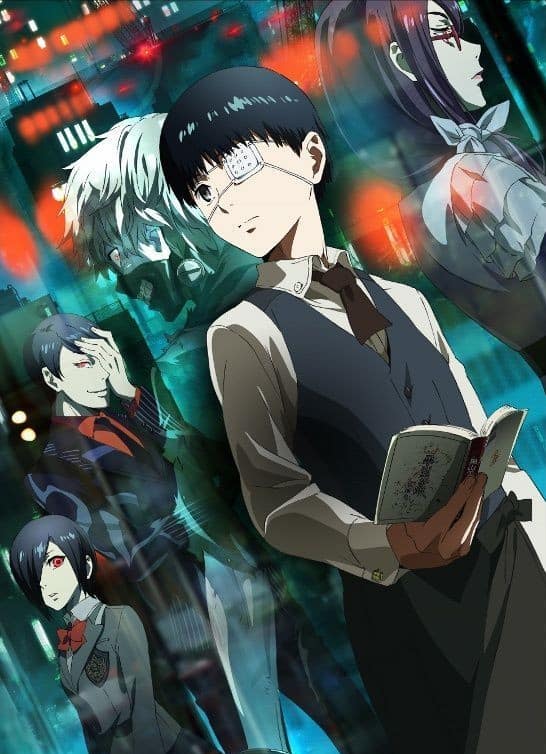
"Infection" is characterized by its stark, unsettling artwork, which heightens the sense of dread and decay permeating the story. The infected are depicted in grotesque detail, emphasizing the physical and psychological horror of the virus. The hospital setting, with its sterile yet oppressive atmosphere, serves as a fitting backdrop for the unfolding tragedy, symbolizing the collapse of order and the fragility of human institutions in the face of an uncontrollable threat. The series concludes with a mix of resolution and ambiguity, leaving lingering questions about the nature of the virus and the fate of humanity.
The protagonist, a young doctor named Shingo, finds himself at the heart of the outbreak. As the virus mutates and spreads, Shingo struggles to maintain his humanity and professional duty while facing the horrifying transformations of those around him. Alongside him are key characters such as Nurse Akari, whose resourcefulness and determination become crucial to the group's survival, and a patient named Tetsuo, whose skepticism and pragmatism often clash with Shingo's idealism.
The plot unfolds through a series of tense, claustrophobic encounters as the survivors attempt to escape the hospital while avoiding both the infected and the military forces that have quarantined the area. The virus itself becomes a central antagonist, evolving in unpredictable ways and forcing the characters to confront not only external threats but also their own fears and ethical dilemmas. The story delves into the psychological toll of the outbreak, examining how desperation and fear can erode trust and compassion.
As the group ventures deeper into the hospital, they uncover disturbing truths about the origins of the virus and the unethical experiments that may have triggered the outbreak. These revelations add layers of complexity to the narrative, intertwining themes of scientific hubris and corporate greed with the immediate struggle for survival. The manga maintains a relentless pace, balancing visceral horror with moments of introspection as the characters grapple with their choices and the consequences of their actions.
"Infection" is characterized by its stark, unsettling artwork, which heightens the sense of dread and decay permeating the story. The infected are depicted in grotesque detail, emphasizing the physical and psychological horror of the virus. The hospital setting, with its sterile yet oppressive atmosphere, serves as a fitting backdrop for the unfolding tragedy, symbolizing the collapse of order and the fragility of human institutions in the face of an uncontrollable threat. The series concludes with a mix of resolution and ambiguity, leaving lingering questions about the nature of the virus and the fate of humanity.
Comment(s)
Staff
- Story & ArtTōru Oikawa
Recommendations
Empfehlungen auf Basis gemeinsamer Kategorien.