Manga
Description
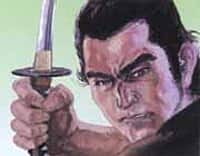
"Samurai Executioner" is a historical manga series set in Edo-period Japan, written by Kazuo Koike and illustrated by Goseki Kojima. The narrative centers on Yamada Asaemon, a skilled swordsman who serves as the official executioner for the Tokugawa shogunate. His role involves not only carrying out executions but also testing the quality of swords by beheading condemned criminals. The series explores the moral and ethical complexities of his duty, as well as the societal structures of feudal Japan.
The story is episodic, with each chapter often focusing on a different criminal or situation that brings them to Asaemon's blade. Through these encounters, the series delves into the lives of the condemned, their crimes, and the circumstances that led to their downfall. Asaemon is portrayed as a stoic and disciplined figure, deeply committed to his role, yet he frequently reflects on the weight of his actions and the justice system he upholds. His interactions with the criminals and other characters reveal the harsh realities of life in Edo Japan, including poverty, corruption, and the rigid class system.
Supporting characters include magistrates, samurai, and commoners, each contributing to the broader depiction of the era. The series does not shy away from graphic depictions of violence, emphasizing the brutality of the executioner's role and the consequences of crime. Themes of honor, duty, and the human condition are woven throughout the narrative, offering a nuanced portrayal of a society bound by strict codes of conduct.
"Samurai Executioner" is notable for its historical accuracy and attention to detail, providing a vivid and unflinching look at the Edo period. The interplay between Asaemon's personal convictions and his professional obligations forms the core of the series, making it a compelling exploration of justice, morality, and the complexities of human behavior.
The story is episodic, with each chapter often focusing on a different criminal or situation that brings them to Asaemon's blade. Through these encounters, the series delves into the lives of the condemned, their crimes, and the circumstances that led to their downfall. Asaemon is portrayed as a stoic and disciplined figure, deeply committed to his role, yet he frequently reflects on the weight of his actions and the justice system he upholds. His interactions with the criminals and other characters reveal the harsh realities of life in Edo Japan, including poverty, corruption, and the rigid class system.
Supporting characters include magistrates, samurai, and commoners, each contributing to the broader depiction of the era. The series does not shy away from graphic depictions of violence, emphasizing the brutality of the executioner's role and the consequences of crime. Themes of honor, duty, and the human condition are woven throughout the narrative, offering a nuanced portrayal of a society bound by strict codes of conduct.
"Samurai Executioner" is notable for its historical accuracy and attention to detail, providing a vivid and unflinching look at the Edo period. The interplay between Asaemon's personal convictions and his professional obligations forms the core of the series, making it a compelling exploration of justice, morality, and the complexities of human behavior.
Comment(s)
Staff
- Story
- ArtGoseki Kojima
Recommendations
Empfehlungen auf Basis gemeinsamer Kategorien.