Manga
Description
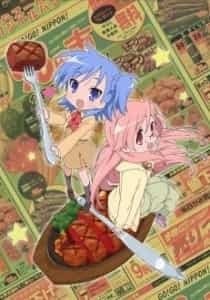
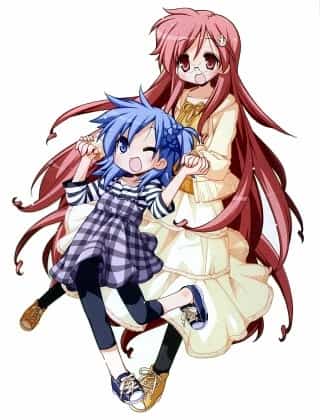
"Miyakawa-ke no Kūfuku" is a spin-off manga series derived from the "Lucky Star" universe, focusing on the daily lives of the Miyakawa sisters, Hinata and Hikage. The narrative centers on their struggles with poverty and their humorous attempts to navigate life despite their financial hardships. Hinata, the older sister, is a high school student who works part-time jobs to support the household, while Hikage, the younger sister, is a middle school student with a more carefree and imaginative personality. The sisters live together in a small, run-down apartment, often relying on creativity and resourcefulness to make ends meet.
The plot unfolds through a series of episodic vignettes, highlighting the sisters' interactions with each other, their friends, and their neighbors. Hinata's dedication to her responsibilities contrasts with Hikage's tendency to daydream and avoid chores, creating a dynamic that drives much of the humor and charm of the series. Despite their financial struggles, the sisters maintain a positive outlook, finding joy in simple pleasures and each other's company.
Recurring themes include the importance of family, resilience in the face of adversity, and the value of small, everyday moments. The series also incorporates elements of slice-of-life comedy, with occasional references to pop culture and otaku interests, consistent with the tone of the "Lucky Star" franchise. Supporting characters, such as their neighbor Yutaka Kobayakawa and Hinata's classmates, add depth to the narrative, providing additional comedic and heartfelt moments.
The manga balances lighthearted humor with subtle commentary on the challenges of living in poverty, offering a relatable yet optimistic portrayal of the Miyakawa sisters' lives. The episodic structure allows for a variety of scenarios, from mundane daily tasks to more imaginative escapades, ensuring a diverse and engaging reading experience. The characters' distinct personalities and their interactions form the core of the series, making it a compelling exploration of familial bonds and perseverance.
The plot unfolds through a series of episodic vignettes, highlighting the sisters' interactions with each other, their friends, and their neighbors. Hinata's dedication to her responsibilities contrasts with Hikage's tendency to daydream and avoid chores, creating a dynamic that drives much of the humor and charm of the series. Despite their financial struggles, the sisters maintain a positive outlook, finding joy in simple pleasures and each other's company.
Recurring themes include the importance of family, resilience in the face of adversity, and the value of small, everyday moments. The series also incorporates elements of slice-of-life comedy, with occasional references to pop culture and otaku interests, consistent with the tone of the "Lucky Star" franchise. Supporting characters, such as their neighbor Yutaka Kobayakawa and Hinata's classmates, add depth to the narrative, providing additional comedic and heartfelt moments.
The manga balances lighthearted humor with subtle commentary on the challenges of living in poverty, offering a relatable yet optimistic portrayal of the Miyakawa sisters' lives. The episodic structure allows for a variety of scenarios, from mundane daily tasks to more imaginative escapades, ensuring a diverse and engaging reading experience. The characters' distinct personalities and their interactions form the core of the series, making it a compelling exploration of familial bonds and perseverance.
Comment(s)
Staff
- Story & Art
Relations
Anime overview