
Manga
Description
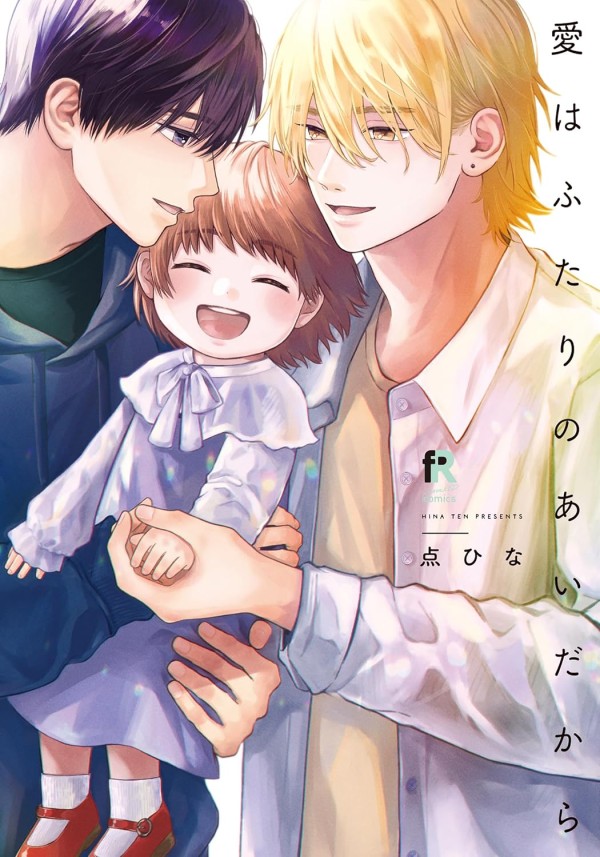
Takumi Machi is left to raise two-year-old Kokoa by himself in the aftermath of a tragedy. Struggling to make ends meet while staggering through the unfamiliar landscape of parenting, Machi collapses in the street from exhaustion. He is rescued by an old schoolmate, Ikuto Mihiro, a kind-hearted man who offers to house Machi and Kokoa until they get back on their feet.
The story is set in contemporary Japan, following these characters as they navigate the challenges of forming an unconventional family unit. Machi is deeply skeptical of Mihiro’s motives, unable to comprehend why anyone would offer such help without expecting something in return. This distrust stems from a painful history—Machi has experienced significant trauma, including an abusive mother and a series of hardships that have left him feeling unworthy of genuine care. The young child Kokoa serves as the emotional heart of the household, her presence pushing the two men to confront what it means to be parents and partners.
The narrative unfolds through several notable arcs. Initially, Machi and Kokoa move into Mihiro’s home, where Machi struggles with his ingrained survival instincts. In a moment of desperation, Machi propositions Mihiro, attempting to use his body as payment for the kindness he has received. Mihiro, who has secretly harbored feelings for Machi since their high school days, rejects the advance because it feels transactional. He insists that Machi learn to value himself as a person. As time passes, Mihiro helps Machi find work and defends him against external threats, including a vicious ex-lover and the reappearance of Machi’s abusive mother. Through these experiences, Machi slowly untangles his past trauma and begins to see himself as deserving of love. Eventually, his own romantic feelings for Mihiro awaken, leading to a requited relationship. The story concludes with a glimpse into the future, showing the trio solidifying their bonds as a found family.
The story is set in contemporary Japan, following these characters as they navigate the challenges of forming an unconventional family unit. Machi is deeply skeptical of Mihiro’s motives, unable to comprehend why anyone would offer such help without expecting something in return. This distrust stems from a painful history—Machi has experienced significant trauma, including an abusive mother and a series of hardships that have left him feeling unworthy of genuine care. The young child Kokoa serves as the emotional heart of the household, her presence pushing the two men to confront what it means to be parents and partners.
The narrative unfolds through several notable arcs. Initially, Machi and Kokoa move into Mihiro’s home, where Machi struggles with his ingrained survival instincts. In a moment of desperation, Machi propositions Mihiro, attempting to use his body as payment for the kindness he has received. Mihiro, who has secretly harbored feelings for Machi since their high school days, rejects the advance because it feels transactional. He insists that Machi learn to value himself as a person. As time passes, Mihiro helps Machi find work and defends him against external threats, including a vicious ex-lover and the reappearance of Machi’s abusive mother. Through these experiences, Machi slowly untangles his past trauma and begins to see himself as deserving of love. Eventually, his own romantic feelings for Mihiro awaken, leading to a requited relationship. The story concludes with a glimpse into the future, showing the trio solidifying their bonds as a found family.
Comment(s)
Staff
- Story & ArtHina Ten
Relations
Manga overview