Manga
Description
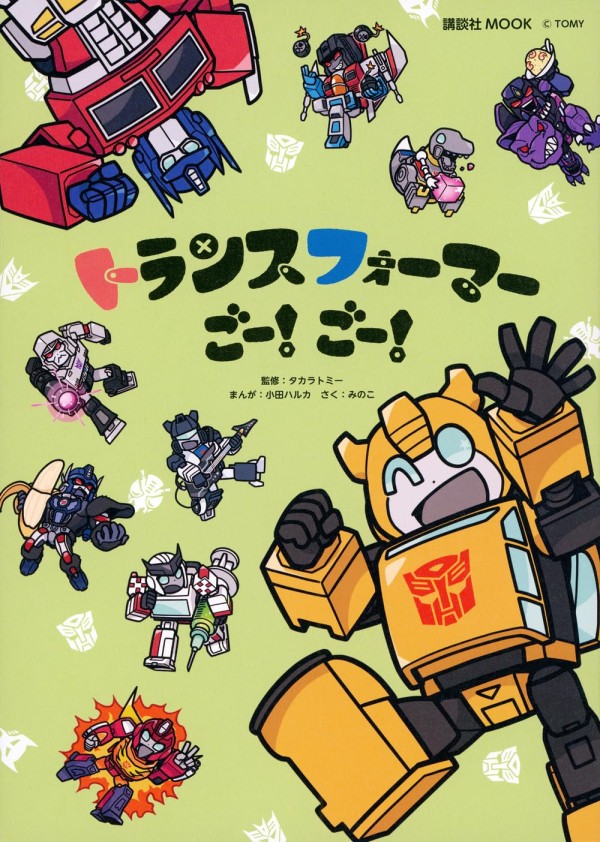
In 2020, a new Transformers manga titled Transformers Go! Go! began serialization, penned by creator Haruka Oda. The story chronicles the lighthearted and whimsical misadventures of both the heroic Autobots and the villainous Decepticons. The setting strongly resembles the world of the original Generation 1 cartoon, creating a familiar backdrop for its young target audience, while also featuring characters and situations that promote various collector-focused toy exclusives.
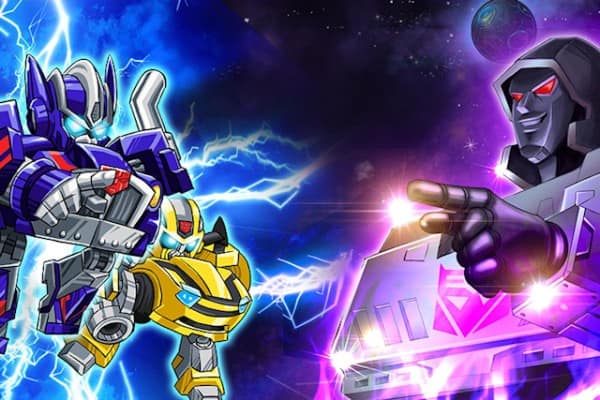
The primary protagonists include iconic Autobots such as the noble leader Optimus Prime, the scout Bumblebee, the inventive Wheeljack, and the powerful Grimlock. On the opposing side, the Decepticons are led by the tyrannical Megatron, often accompanied by the scheming Starscream and the logical Shockwave, with the spy Laserbeak frequently seen gathering intelligence. The manga follows these characters through a series of episodic, self-contained stories that focus on comedy and slice-of-life scenarios rather than high-stakes warfare.
The manga was initially published in print within TV Magazine, starting in black and white before transitioning to full color from its third installment onward. A separate webcomic serialization began a year into the run, which initially re-published the color magazine stories but eventually diverged to create exclusive new content. This led to a complex publication history where the print and web edition numbering fell out of sync.
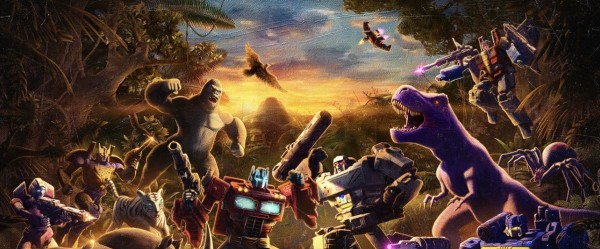
A notable narrative shift occurred in 2023, when the comic entered an arc referred to by Oda as Beast Promo Season. During this period, the story integrated characters from the Beast Wars cast, such as the Maximals and a beast-mode Megatron, placing them alongside their Generation 1 counterparts. This crossover was designed to prepare younger readers for the then-upcoming feature film Transformers: Rise of the Beasts. The arc culminated in a giant-sized special featuring many of the film's characters, though they were often drawn with influences from their original designs rather than their movie appearances. Other notable episodic narratives include a Christmas episode, a New Year's celebration, and a story where the Autobots and Decepticons both gain excessive weight after overeating.
The primary protagonists include iconic Autobots such as the noble leader Optimus Prime, the scout Bumblebee, the inventive Wheeljack, and the powerful Grimlock. On the opposing side, the Decepticons are led by the tyrannical Megatron, often accompanied by the scheming Starscream and the logical Shockwave, with the spy Laserbeak frequently seen gathering intelligence. The manga follows these characters through a series of episodic, self-contained stories that focus on comedy and slice-of-life scenarios rather than high-stakes warfare.
The manga was initially published in print within TV Magazine, starting in black and white before transitioning to full color from its third installment onward. A separate webcomic serialization began a year into the run, which initially re-published the color magazine stories but eventually diverged to create exclusive new content. This led to a complex publication history where the print and web edition numbering fell out of sync.
A notable narrative shift occurred in 2023, when the comic entered an arc referred to by Oda as Beast Promo Season. During this period, the story integrated characters from the Beast Wars cast, such as the Maximals and a beast-mode Megatron, placing them alongside their Generation 1 counterparts. This crossover was designed to prepare younger readers for the then-upcoming feature film Transformers: Rise of the Beasts. The arc culminated in a giant-sized special featuring many of the film's characters, though they were often drawn with influences from their original designs rather than their movie appearances. Other notable episodic narratives include a Christmas episode, a New Year's celebration, and a story where the Autobots and Decepticons both gain excessive weight after overeating.
Comment(s)
Staff
- StoryMinoko
- ArtHaruka Oda
Relations
Anime overview

Manga overview