
Manga
Description
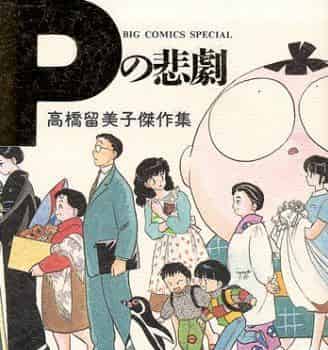
"P no Higeki" is a psychological drama manga that explores themes of identity, societal expectations, and the consequences of conformity. The narrative centers around a young man named P, who lives in a rigidly structured society where individuals are assigned specific roles and identities from birth. P is designated as a "perfect" individual, embodying the ideals of his society, but this perfection comes at a cost—his true self is suppressed, and he is forced to adhere to a predetermined path.
As the story unfolds, P begins to experience internal conflict, questioning the validity of his assigned identity and the societal norms that dictate his existence. This internal struggle is exacerbated when he encounters individuals who defy their roles, including a woman named L, who rejects her assigned identity and lives as an outcast. Through his interactions with L and others who challenge the system, P starts to uncover the darker truths behind his society's facade of order and perfection.
The plot delves into the psychological toll of living under constant scrutiny and the pressure to conform. P's journey is marked by moments of self-discovery, rebellion, and confrontation with the authorities who enforce societal norms. The narrative examines the tension between individuality and conformity, highlighting the sacrifices required to maintain a seemingly harmonious society.
Key characters include P, whose internal conflict drives the story; L, who represents the possibility of freedom and self-determination; and various authority figures who embody the oppressive mechanisms of the society. The manga's exploration of these characters and their interactions provides a nuanced portrayal of the struggle for identity and autonomy in a world that demands uniformity. The story's pacing and structure effectively build tension, culminating in a resolution that challenges the reader to reflect on the nature of identity and the cost of societal perfection.
As the story unfolds, P begins to experience internal conflict, questioning the validity of his assigned identity and the societal norms that dictate his existence. This internal struggle is exacerbated when he encounters individuals who defy their roles, including a woman named L, who rejects her assigned identity and lives as an outcast. Through his interactions with L and others who challenge the system, P starts to uncover the darker truths behind his society's facade of order and perfection.
The plot delves into the psychological toll of living under constant scrutiny and the pressure to conform. P's journey is marked by moments of self-discovery, rebellion, and confrontation with the authorities who enforce societal norms. The narrative examines the tension between individuality and conformity, highlighting the sacrifices required to maintain a seemingly harmonious society.
Key characters include P, whose internal conflict drives the story; L, who represents the possibility of freedom and self-determination; and various authority figures who embody the oppressive mechanisms of the society. The manga's exploration of these characters and their interactions provides a nuanced portrayal of the struggle for identity and autonomy in a world that demands uniformity. The story's pacing and structure effectively build tension, culminating in a resolution that challenges the reader to reflect on the nature of identity and the cost of societal perfection.
Comment(s)