
Manga
Description
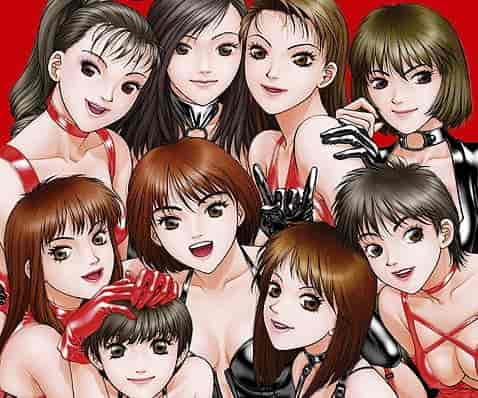
"Yui Shop" is a manga series that revolves around a small, unassuming antique shop run by a young woman named Yui. The shop, located in a quiet neighborhood, specializes in unique and mysterious items, each with its own story and supernatural properties. Yui, the proprietor, possesses a deep understanding of the artifacts and their histories, often serving as a mediator between the objects and their new owners. The narrative unfolds through episodic encounters with customers who are drawn to the shop, each seeking something specific, whether consciously or unknowingly.
The items in Yui Shop are not ordinary antiques; they carry emotional or spiritual significance, often tied to the pasts of those who acquire them. These objects have the power to influence the lives of their owners, sometimes bringing resolution to unresolved issues or revealing hidden truths. Yui’s role is to guide her customers, helping them navigate the consequences of their choices while maintaining a neutral and observant stance. Her calm demeanor and wisdom suggest a deeper connection to the supernatural world, though her origins and full knowledge remain enigmatic.
The series explores themes of memory, regret, and the passage of time, with each chapter focusing on a different customer and their interaction with a particular item. The stories range from heartwarming to melancholic, often blending elements of fantasy and slice-of-life. Yui herself remains a constant presence, her character serving as a grounding force amidst the emotional and supernatural events that unfold. The shop acts as a liminal space where the past and present intersect, offering characters a chance to confront their histories and find closure.
The supporting cast includes recurring customers and individuals connected to the shop’s history, each contributing to the overarching narrative. While Yui remains the central figure, the focus shifts to the personal journeys of those who enter her shop, creating a tapestry of interconnected stories. The manga’s structure allows for both standalone tales and subtle continuity, with hints of a larger mystery surrounding Yui and the origins of the shop itself. The tone is contemplative, emphasizing the emotional weight of the characters’ experiences and the transformative power of the artifacts they encounter.
The items in Yui Shop are not ordinary antiques; they carry emotional or spiritual significance, often tied to the pasts of those who acquire them. These objects have the power to influence the lives of their owners, sometimes bringing resolution to unresolved issues or revealing hidden truths. Yui’s role is to guide her customers, helping them navigate the consequences of their choices while maintaining a neutral and observant stance. Her calm demeanor and wisdom suggest a deeper connection to the supernatural world, though her origins and full knowledge remain enigmatic.
The series explores themes of memory, regret, and the passage of time, with each chapter focusing on a different customer and their interaction with a particular item. The stories range from heartwarming to melancholic, often blending elements of fantasy and slice-of-life. Yui herself remains a constant presence, her character serving as a grounding force amidst the emotional and supernatural events that unfold. The shop acts as a liminal space where the past and present intersect, offering characters a chance to confront their histories and find closure.
The supporting cast includes recurring customers and individuals connected to the shop’s history, each contributing to the overarching narrative. While Yui remains the central figure, the focus shifts to the personal journeys of those who enter her shop, creating a tapestry of interconnected stories. The manga’s structure allows for both standalone tales and subtle continuity, with hints of a larger mystery surrounding Yui and the origins of the shop itself. The tone is contemplative, emphasizing the emotional weight of the characters’ experiences and the transformative power of the artifacts they encounter.
Comment(s)