
Manga
Description
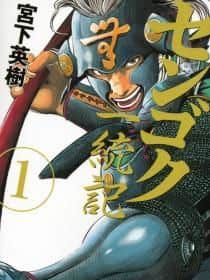
"Sengoku Ittō-ki" is a historical manga set during Japan's Sengoku period, a time of intense social upheaval, political intrigue, and military conflict. The narrative centers on Ichihashi Ittō, a young warrior who becomes entangled in the turbulent events of the era. Ittō is initially portrayed as a skilled but aimless swordsman, driven by a desire to protect the weak and uphold justice. His journey begins when he encounters a mysterious girl named Kaguya, who possesses a unique connection to the celestial forces believed to influence the fate of the land.
As the story progresses, Ittō is drawn into the larger conflicts between powerful warlords vying for control of Japan. His path crosses with historical figures such as Oda Nobunaga, Toyotomi Hideyoshi, and Tokugawa Ieyasu, whose ambitions and strategies shape the course of the war-torn nation. Ittō's interactions with these figures are marked by a blend of respect, rivalry, and moral conflict, as he struggles to reconcile his personal ideals with the harsh realities of the era.
Kaguya's role becomes increasingly significant as her celestial heritage is revealed to hold the key to uniting or fracturing the warring factions. Her presence attracts the attention of both allies and enemies, forcing Ittō to confront his own limitations and the broader implications of his actions. The narrative explores themes of loyalty, sacrifice, and the cost of ambition, as Ittō and Kaguya navigate a world where survival often requires compromising one's principles.
The manga balances historical events with fictional elements, blending accurate depictions of Sengoku-period warfare and politics with supernatural undertones. Ittō's growth as a character is central to the story, as he evolves from a lone swordsman into a leader capable of influencing the course of history. The supporting cast, including rival warriors, cunning strategists, and ordinary civilians caught in the crossfire, adds depth to the narrative, highlighting the diverse perspectives and struggles of those living through the era.
"Sengoku Ittō-ki" is characterized by its meticulous attention to historical detail, dynamic action sequences, and exploration of the moral complexities inherent in a time of chaos. The interplay between personal ambition and collective destiny drives the plot forward, creating a compelling portrayal of one of Japan's most transformative periods.
As the story progresses, Ittō is drawn into the larger conflicts between powerful warlords vying for control of Japan. His path crosses with historical figures such as Oda Nobunaga, Toyotomi Hideyoshi, and Tokugawa Ieyasu, whose ambitions and strategies shape the course of the war-torn nation. Ittō's interactions with these figures are marked by a blend of respect, rivalry, and moral conflict, as he struggles to reconcile his personal ideals with the harsh realities of the era.
Kaguya's role becomes increasingly significant as her celestial heritage is revealed to hold the key to uniting or fracturing the warring factions. Her presence attracts the attention of both allies and enemies, forcing Ittō to confront his own limitations and the broader implications of his actions. The narrative explores themes of loyalty, sacrifice, and the cost of ambition, as Ittō and Kaguya navigate a world where survival often requires compromising one's principles.
The manga balances historical events with fictional elements, blending accurate depictions of Sengoku-period warfare and politics with supernatural undertones. Ittō's growth as a character is central to the story, as he evolves from a lone swordsman into a leader capable of influencing the course of history. The supporting cast, including rival warriors, cunning strategists, and ordinary civilians caught in the crossfire, adds depth to the narrative, highlighting the diverse perspectives and struggles of those living through the era.
"Sengoku Ittō-ki" is characterized by its meticulous attention to historical detail, dynamic action sequences, and exploration of the moral complexities inherent in a time of chaos. The interplay between personal ambition and collective destiny drives the plot forward, creating a compelling portrayal of one of Japan's most transformative periods.
Comment(s)