
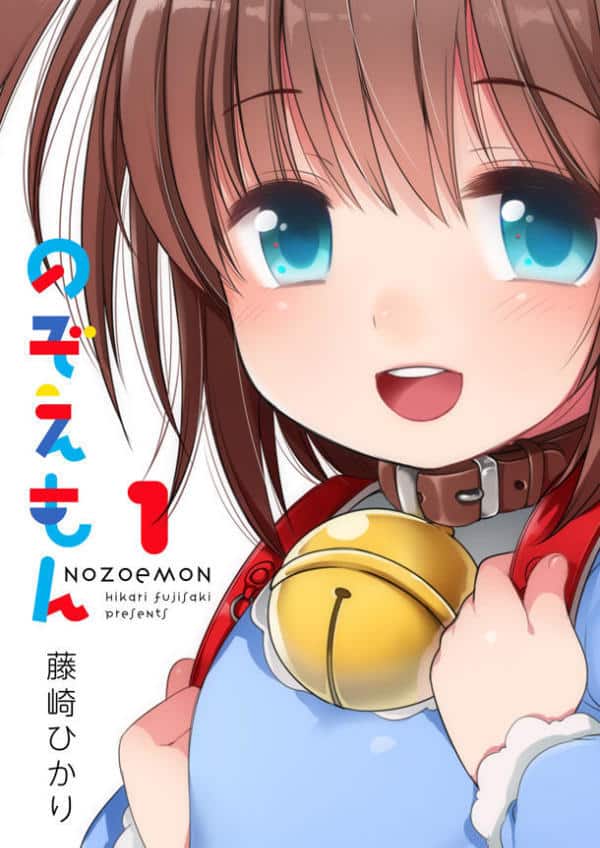
Manga
Description
"Nozoemon" is a manga series that blends elements of comedy, slice-of-life, and supernatural themes. The story centers around Nozomu, a high school student who discovers a mysterious, sentient tanuki statue named Nozoemon in his family's storage. The statue, which possesses the ability to transform into a humanoid form, claims to be a guardian spirit tasked with protecting Nozomu's family. However, Nozoemon's presence quickly disrupts Nozomu's ordinary life, as the tanuki's mischievous and often inappropriate behavior leads to a series of chaotic and humorous situations.
Nozomu, the protagonist, is a relatively average teenager who struggles to balance his school life with the unexpected responsibilities of managing Nozoemon's antics. Despite his initial reluctance, he gradually forms a bond with the tanuki, who, despite his troublesome nature, genuinely cares for Nozomu and his well-being. The dynamic between the two characters drives much of the narrative, with Nozoemon often providing comedic relief while occasionally offering wisdom or guidance.
The series introduces a variety of supporting characters, including Nozomu's classmates and family members, who become entangled in the supernatural occurrences caused by Nozoemon. These characters often serve as foils to Nozomu and Nozoemon, highlighting their contrasting personalities and adding depth to the story. The interactions between the human characters and the supernatural elements create a balance of humor and lighthearted drama, with occasional moments of emotional resonance.
The plot unfolds through episodic chapters, each focusing on a new challenge or scenario arising from Nozoemon's presence. These range from mundane school events to more fantastical encounters with other supernatural beings. While the series maintains a primarily comedic tone, it occasionally delves into themes of family, friendship, and personal growth, particularly as Nozomu navigates the complexities of adolescence with Nozoemon's unpredictable influence.
Overall, "Nozoemon" presents a whimsical and entertaining narrative that combines supernatural elements with relatable, everyday experiences. The interplay between Nozomu and Nozoemon, along with the supporting cast, creates a lively and engaging story that appeals to fans of comedy and light supernatural fiction.
Nozomu, the protagonist, is a relatively average teenager who struggles to balance his school life with the unexpected responsibilities of managing Nozoemon's antics. Despite his initial reluctance, he gradually forms a bond with the tanuki, who, despite his troublesome nature, genuinely cares for Nozomu and his well-being. The dynamic between the two characters drives much of the narrative, with Nozoemon often providing comedic relief while occasionally offering wisdom or guidance.
The series introduces a variety of supporting characters, including Nozomu's classmates and family members, who become entangled in the supernatural occurrences caused by Nozoemon. These characters often serve as foils to Nozomu and Nozoemon, highlighting their contrasting personalities and adding depth to the story. The interactions between the human characters and the supernatural elements create a balance of humor and lighthearted drama, with occasional moments of emotional resonance.
The plot unfolds through episodic chapters, each focusing on a new challenge or scenario arising from Nozoemon's presence. These range from mundane school events to more fantastical encounters with other supernatural beings. While the series maintains a primarily comedic tone, it occasionally delves into themes of family, friendship, and personal growth, particularly as Nozomu navigates the complexities of adolescence with Nozoemon's unpredictable influence.
Overall, "Nozoemon" presents a whimsical and entertaining narrative that combines supernatural elements with relatable, everyday experiences. The interplay between Nozomu and Nozoemon, along with the supporting cast, creates a lively and engaging story that appeals to fans of comedy and light supernatural fiction.
Comment(s)