
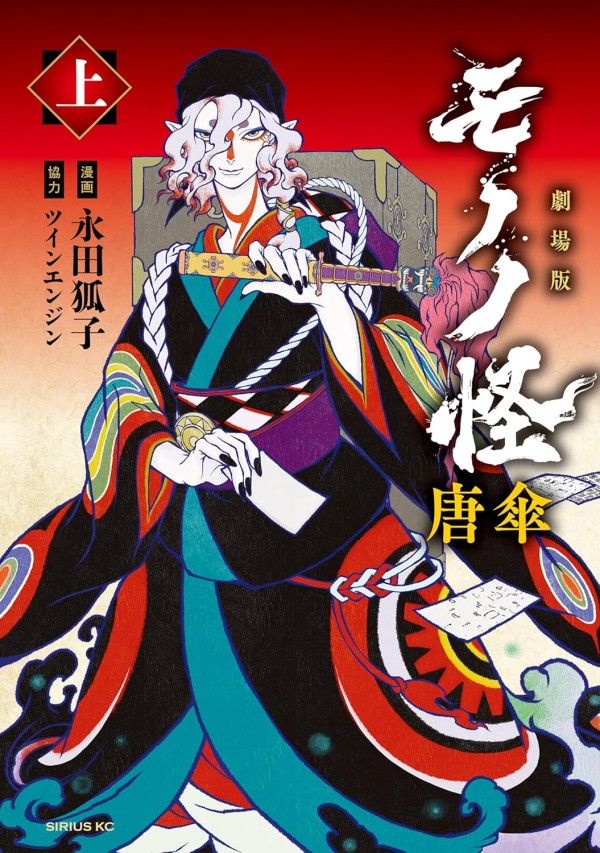
Manga
Description
Within the sealed, male‑free corridors of the Ōoku—the shogun’s great inner palace, both a “garden of women” and a nerve center of bureaucratic power—two young maids arrive on the same day. Asa is sharp, ambitious, and eager to climb the ranks; Kame is gentle, a little clumsy, and simply hopes to belong. They are thrust immediately into the palace’s rigid rituals and unspoken codes, and from their first morning they are made to participate in a disturbing collective “purification” that involves drinking water drawn from a deep, ancient well.
Beneath the Ōoku’s gilded surfaces, something festers. A strange cult‑like devotion to the well‑water (called O‑Mizu‑sama) permeates daily life. Senior attendants disappear or are found dead under hushed‑up circumstances, and a crucial festival, the Ōmochi‑hiki, is pushed forward even after the mysterious death of a high‑ranking maid named Mugitani. The water itself, which at first smells foul and metallic to the newcomers, gradually begins to taste “sweet” to those who have served long enough—a sign that they are becoming hollowed out.
Into this tense, claustrophobic world steps the Medicine Seller, a wandering exorcist who peddles love potions but whose true purpose is to hunt mononoke. The mononoke that has taken root here is named Karakasa, a vengeful spirit born from a tsukumogami—a treasured object that accumulated human emotion after being discarded. Karakasa attacks people who have lost something precious, turning them into rain. To cut the spirit down, the Medicine Seller must uncover three elements: the mononoke’s Form, its Truth, and its Reason.
As Asa and Kame navigate their drastically diverging fates—Asa rises swiftly, gaining the trust of the formidable elder Utayama, while Kame falls behind, wounded by jealousy and isolation—they become entangled in the Ōoku’s darkest secret. A former senior scribe named Kitagawa, once a close confidant of Utayama, threw herself into the well years ago. The well’s depths are filled not only with discarded keepsakes but with the bodies of women who “dried up” and were swallowed by the palace system. Kitagawa’s ghost, manifested as a doppelgänger of Asa, appears to guide and warn, carrying no malice but a desperate plea: do not let the same tragedy repeat.
The narrative arc moves from the friendship and growing rift between Asa and Kame to the revelation that the Ōoku itself is a machine designed to strip women of their most cherished attachments—symbolized by the ritual of throwing a beloved object into the well on the first day of service. Those who obey become efficient, empty, and vulnerable to the mononoke. The climax unfolds during the Ōmochi‑hiki festival, when the Medicine Seller finally forces the truth into the open: the Karakasa is the accumulated grief of every maid who was ever made to abandon what she loved. To exorcise it, he must make the Ōoku’s inhabitants see what they have become.
The story traces two intertwined arcs: the personal descent of Asa, who begins to feel the water “taste good” and who ultimately sends Kame away from the palace to save her, and the larger haunting of the Ōoku, where the mononoke is not an invader but a symptom of the institution’s slow, systematic cruelty. In the end, Asa and the Medicine Seller confront the truth in the well, and the spirit is laid to rest—but not before the cost is made plain. The manga closes with Asa alone in the palace, gazing at the sky, while Kame, carrying the token of their bond, walks free beyond the Ōoku’s walls.
Beneath the Ōoku’s gilded surfaces, something festers. A strange cult‑like devotion to the well‑water (called O‑Mizu‑sama) permeates daily life. Senior attendants disappear or are found dead under hushed‑up circumstances, and a crucial festival, the Ōmochi‑hiki, is pushed forward even after the mysterious death of a high‑ranking maid named Mugitani. The water itself, which at first smells foul and metallic to the newcomers, gradually begins to taste “sweet” to those who have served long enough—a sign that they are becoming hollowed out.
Into this tense, claustrophobic world steps the Medicine Seller, a wandering exorcist who peddles love potions but whose true purpose is to hunt mononoke. The mononoke that has taken root here is named Karakasa, a vengeful spirit born from a tsukumogami—a treasured object that accumulated human emotion after being discarded. Karakasa attacks people who have lost something precious, turning them into rain. To cut the spirit down, the Medicine Seller must uncover three elements: the mononoke’s Form, its Truth, and its Reason.
As Asa and Kame navigate their drastically diverging fates—Asa rises swiftly, gaining the trust of the formidable elder Utayama, while Kame falls behind, wounded by jealousy and isolation—they become entangled in the Ōoku’s darkest secret. A former senior scribe named Kitagawa, once a close confidant of Utayama, threw herself into the well years ago. The well’s depths are filled not only with discarded keepsakes but with the bodies of women who “dried up” and were swallowed by the palace system. Kitagawa’s ghost, manifested as a doppelgänger of Asa, appears to guide and warn, carrying no malice but a desperate plea: do not let the same tragedy repeat.
The narrative arc moves from the friendship and growing rift between Asa and Kame to the revelation that the Ōoku itself is a machine designed to strip women of their most cherished attachments—symbolized by the ritual of throwing a beloved object into the well on the first day of service. Those who obey become efficient, empty, and vulnerable to the mononoke. The climax unfolds during the Ōmochi‑hiki festival, when the Medicine Seller finally forces the truth into the open: the Karakasa is the accumulated grief of every maid who was ever made to abandon what she loved. To exorcise it, he must make the Ōoku’s inhabitants see what they have become.
The story traces two intertwined arcs: the personal descent of Asa, who begins to feel the water “taste good” and who ultimately sends Kame away from the palace to save her, and the larger haunting of the Ōoku, where the mononoke is not an invader but a symptom of the institution’s slow, systematic cruelty. In the end, Asa and the Medicine Seller confront the truth in the well, and the spirit is laid to rest—but not before the cost is made plain. The manga closes with Asa alone in the palace, gazing at the sky, while Kame, carrying the token of their bond, walks free beyond the Ōoku’s walls.
Comment(s)
Staff
- Story & ArtKitsuneko Nagata