Manga
Description
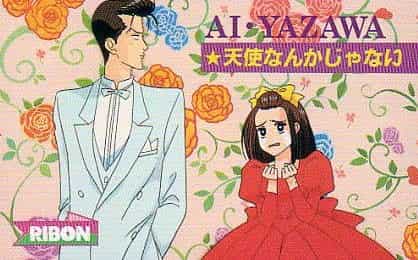
"Tenshi Nanka ja Nai" is a manga series that explores themes of family, identity, and personal growth through the lens of a young girl navigating the complexities of her relationships. The protagonist, Midori Saejima, is a high school student who lives with her father and stepmother following the death of her biological mother. Despite her outwardly cheerful demeanor, Midori struggles with feelings of inadequacy and a sense of not belonging, exacerbated by her stepmother’s cold and critical attitude.
Midori’s life takes a significant turn when she discovers that her biological mother, whom she believed to be deceased, is actually alive. This revelation shatters her understanding of her family and forces her to confront long-buried emotions. As Midori begins to piece together the truth about her mother’s absence, she grapples with questions of identity and self-worth, often feeling torn between her desire for acceptance and her growing independence.
The narrative delves into Midori’s relationships with those around her, particularly her interactions with her stepmother, who harbors her own insecurities and regrets. The dynamic between the two is fraught with tension, as Midori’s stepmother struggles to connect with her, while Midori yearns for a maternal figure who truly understands her. The story also explores Midori’s friendships and romantic interests, which serve as sources of support and conflict as she navigates her emotional journey.
Throughout the series, Midori’s growth is marked by her gradual realization that she does not need to conform to others’ expectations or seek validation from external sources. Her journey is one of self-discovery, as she learns to embrace her flaws and strengths alike, ultimately finding a sense of peace and belonging within herself. The manga balances moments of introspection with lighter, more humorous scenes, creating a nuanced portrayal of adolescence and the challenges of forging one’s identity.
The supporting cast includes Midori’s father, who is well-meaning but often oblivious to the emotional struggles within his family, and her classmates, who provide both camaraderie and conflict. The series also introduces Midori’s biological mother, whose reappearance adds further complexity to the narrative, forcing Midori to reconcile her idealized image of her mother with the reality of their fractured relationship.
"Tenshi Nanka ja Nai" is a character-driven story that emphasizes emotional depth and realism, offering a thoughtful exploration of themes such as family dynamics, self-acceptance, and the search for identity. The narrative’s focus on interpersonal relationships and personal growth makes it a compelling read for those interested in stories that delve into the complexities of human emotions and connections.
Midori’s life takes a significant turn when she discovers that her biological mother, whom she believed to be deceased, is actually alive. This revelation shatters her understanding of her family and forces her to confront long-buried emotions. As Midori begins to piece together the truth about her mother’s absence, she grapples with questions of identity and self-worth, often feeling torn between her desire for acceptance and her growing independence.
The narrative delves into Midori’s relationships with those around her, particularly her interactions with her stepmother, who harbors her own insecurities and regrets. The dynamic between the two is fraught with tension, as Midori’s stepmother struggles to connect with her, while Midori yearns for a maternal figure who truly understands her. The story also explores Midori’s friendships and romantic interests, which serve as sources of support and conflict as she navigates her emotional journey.
Throughout the series, Midori’s growth is marked by her gradual realization that she does not need to conform to others’ expectations or seek validation from external sources. Her journey is one of self-discovery, as she learns to embrace her flaws and strengths alike, ultimately finding a sense of peace and belonging within herself. The manga balances moments of introspection with lighter, more humorous scenes, creating a nuanced portrayal of adolescence and the challenges of forging one’s identity.
The supporting cast includes Midori’s father, who is well-meaning but often oblivious to the emotional struggles within his family, and her classmates, who provide both camaraderie and conflict. The series also introduces Midori’s biological mother, whose reappearance adds further complexity to the narrative, forcing Midori to reconcile her idealized image of her mother with the reality of their fractured relationship.
"Tenshi Nanka ja Nai" is a character-driven story that emphasizes emotional depth and realism, offering a thoughtful exploration of themes such as family dynamics, self-acceptance, and the search for identity. The narrative’s focus on interpersonal relationships and personal growth makes it a compelling read for those interested in stories that delve into the complexities of human emotions and connections.
Comment(s)