Manga
Description
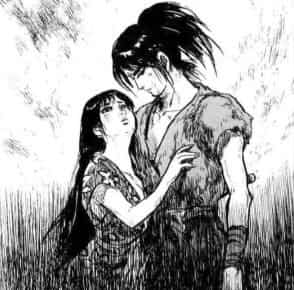
"The Legend of Kamui" is a historical manga set in feudal Japan, blending elements of action, drama, and political intrigue. The narrative centers on Kamui, a young ninja from the Iga clan, who becomes disillusioned with the violent and oppressive nature of his ninja heritage. After witnessing the brutal execution of his parents by his own clan, Kamui flees, seeking a life of freedom and peace. His decision to abandon the ninja way marks him as a nukenin, or runaway ninja, making him a target for assassination by his former comrades.
Kamui’s journey takes him across Japan, where he encounters a variety of characters, both allies and enemies. Among them is Shiranui, a skilled and enigmatic ninja who becomes both a mentor and a rival. Shiranui’s complex motivations and his own struggles with the ninja code add depth to the story, as he oscillates between aiding Kamui and pursuing his own agenda. The narrative also explores the lives of other outcasts and marginalized individuals, including peasants, ronin, and rebels, who are caught in the crossfire of the era’s power struggles.
The plot delves into the political landscape of feudal Japan, highlighting the tension between the ruling samurai class and the oppressed lower classes. Kamui’s quest for freedom becomes intertwined with larger societal conflicts, as he inadvertently becomes a symbol of resistance against tyranny. The manga portrays the harsh realities of the time, including the exploitation of peasants, the brutality of feudal lords, and the moral ambiguities faced by those who seek to survive in a world dominated by violence and betrayal.
As Kamui evades his pursuers, he gradually develops his own philosophy, rejecting the nihilism and fatalism ingrained in his ninja upbringing. His growth is marked by his interactions with others, particularly those who challenge his worldview or offer him glimpses of a life beyond violence. The series balances intense action sequences with moments of introspection, exploring themes of identity, loyalty, and the possibility of redemption.
The antagonists, primarily the Iga clan and other ninja factions, are portrayed with nuance, reflecting the internal conflicts and rigid hierarchies within their organizations. The manga does not shy away from depicting the moral compromises and personal sacrifices demanded by their way of life, creating a rich tapestry of characters with conflicting motivations.
"The Legend of Kamui" is notable for its intricate plotting, well-developed characters, and its unflinching portrayal of the historical period. The story’s exploration of Kamui’s internal and external struggles, set against the backdrop of a turbulent era, makes it a compelling and thought-provoking work within the historical manga genre.
Kamui’s journey takes him across Japan, where he encounters a variety of characters, both allies and enemies. Among them is Shiranui, a skilled and enigmatic ninja who becomes both a mentor and a rival. Shiranui’s complex motivations and his own struggles with the ninja code add depth to the story, as he oscillates between aiding Kamui and pursuing his own agenda. The narrative also explores the lives of other outcasts and marginalized individuals, including peasants, ronin, and rebels, who are caught in the crossfire of the era’s power struggles.
The plot delves into the political landscape of feudal Japan, highlighting the tension between the ruling samurai class and the oppressed lower classes. Kamui’s quest for freedom becomes intertwined with larger societal conflicts, as he inadvertently becomes a symbol of resistance against tyranny. The manga portrays the harsh realities of the time, including the exploitation of peasants, the brutality of feudal lords, and the moral ambiguities faced by those who seek to survive in a world dominated by violence and betrayal.
As Kamui evades his pursuers, he gradually develops his own philosophy, rejecting the nihilism and fatalism ingrained in his ninja upbringing. His growth is marked by his interactions with others, particularly those who challenge his worldview or offer him glimpses of a life beyond violence. The series balances intense action sequences with moments of introspection, exploring themes of identity, loyalty, and the possibility of redemption.
The antagonists, primarily the Iga clan and other ninja factions, are portrayed with nuance, reflecting the internal conflicts and rigid hierarchies within their organizations. The manga does not shy away from depicting the moral compromises and personal sacrifices demanded by their way of life, creating a rich tapestry of characters with conflicting motivations.
"The Legend of Kamui" is notable for its intricate plotting, well-developed characters, and its unflinching portrayal of the historical period. The story’s exploration of Kamui’s internal and external struggles, set against the backdrop of a turbulent era, makes it a compelling and thought-provoking work within the historical manga genre.
Comment(s)
Relations
Anime overview