Description
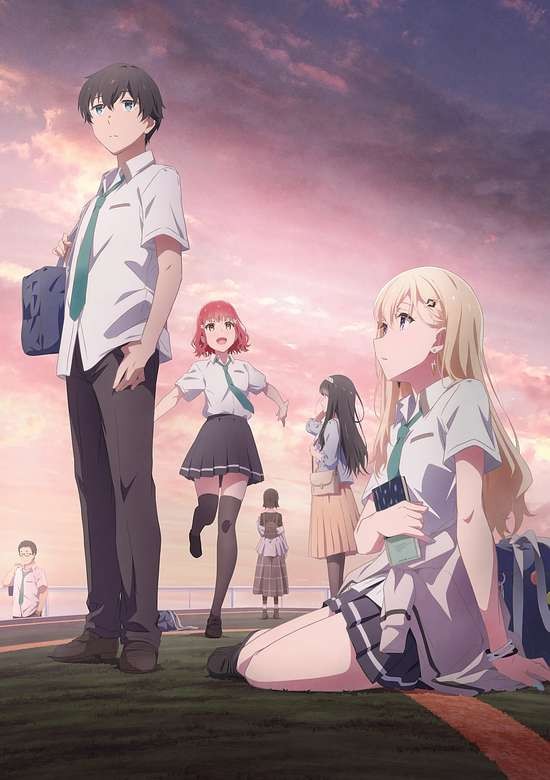
"Days With My Stepsister" centers on the evolving relationship between two teenagers, Yuuta Asamura and Saki Ayase, who become stepsiblings after their parents remarry. The narrative begins with the two moving in together, creating an awkward living situation as they navigate their new family dynamic. Initially, Yuuta and Saki maintain a polite but distant relationship, adhering to societal norms and personal boundaries to avoid complicating their lives. However, as they spend more time together, their interactions gradually shift from formal to more intimate, revealing their vulnerabilities and shared struggles.
Yuuta is portrayed as a reserved and thoughtful high school student who values stability and routine. Saki, on the other hand, is independent and pragmatic, often masking her emotions to maintain a sense of control over her life. Both characters carry emotional baggage from their pasts, which influences their behavior and interactions. The story explores their growing bond as they confront their insecurities and learn to rely on each other for support.
The plot unfolds through everyday scenarios, emphasizing the slow and realistic progression of their relationship. Moments of misunderstanding, jealousy, and self-reflection are interspersed with instances of genuine care and affection, highlighting the complexities of blending families and forming new connections. The narrative avoids melodrama, instead focusing on subtle emotional shifts and the gradual development of trust between the protagonists.
Secondary characters, such as their parents and friends, play minor but significant roles in shaping the story. Their presence adds depth to the central relationship, providing context and contrast to Yuuta and Saki’s experiences. The manga’s pacing is deliberate, allowing readers to immerse themselves in the characters’ emotional journeys without relying on exaggerated conflicts or plot twists.
Themes of family, identity, and personal growth are central to the story. The manga examines how relationships evolve over time, particularly in non-traditional family structures, and how individuals adapt to new roles and responsibilities. By focusing on the nuances of human connection, "Days With My Stepsister" offers a grounded and relatable portrayal of adolescence and familial bonds.
Yuuta is portrayed as a reserved and thoughtful high school student who values stability and routine. Saki, on the other hand, is independent and pragmatic, often masking her emotions to maintain a sense of control over her life. Both characters carry emotional baggage from their pasts, which influences their behavior and interactions. The story explores their growing bond as they confront their insecurities and learn to rely on each other for support.
The plot unfolds through everyday scenarios, emphasizing the slow and realistic progression of their relationship. Moments of misunderstanding, jealousy, and self-reflection are interspersed with instances of genuine care and affection, highlighting the complexities of blending families and forming new connections. The narrative avoids melodrama, instead focusing on subtle emotional shifts and the gradual development of trust between the protagonists.
Secondary characters, such as their parents and friends, play minor but significant roles in shaping the story. Their presence adds depth to the central relationship, providing context and contrast to Yuuta and Saki’s experiences. The manga’s pacing is deliberate, allowing readers to immerse themselves in the characters’ emotional journeys without relying on exaggerated conflicts or plot twists.
Themes of family, identity, and personal growth are central to the story. The manga examines how relationships evolve over time, particularly in non-traditional family structures, and how individuals adapt to new roles and responsibilities. By focusing on the nuances of human connection, "Days With My Stepsister" offers a grounded and relatable portrayal of adolescence and familial bonds.
Comment(s)