Manga
Description
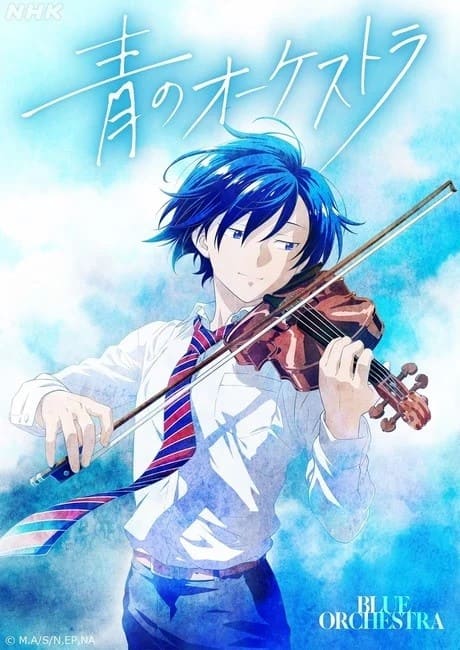
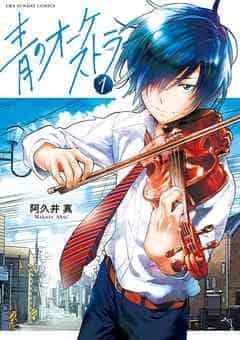
"Ao no Orchestra" centers on the life of Hajime Aono, a former violin prodigy who loses his passion for music after a traumatic incident during his childhood. Once celebrated for his exceptional talent, Hajime abandons the violin and distances himself from the world of classical music. However, his life takes an unexpected turn when he encounters Nao Saeki, a spirited and determined violinist who reignites his interest in music. Nao’s unwavering dedication and belief in the power of music inspire Hajime to pick up the violin once more, setting him on a path of rediscovery and growth.
The narrative explores Hajime’s journey as he re-enters the competitive and demanding world of classical music, joining his school’s orchestra club. Through his interactions with fellow musicians, including the ambitious and talented Ritsuko Akine, Hajime begins to confront his past insecurities and fears. The story delves into the challenges of balancing personal aspirations with the pressures of performance, as well as the complexities of teamwork and collaboration within an orchestra. Themes of perseverance, self-discovery, and the transformative power of music are woven throughout the plot.
As Hajime progresses, he faces numerous obstacles, both internal and external, including rivalries, self-doubt, and the high expectations of those around him. The series also highlights the diverse backgrounds and motivations of the orchestra members, providing a nuanced portrayal of their individual struggles and triumphs. Through competitions, rehearsals, and personal growth, Hajime and his peers strive to achieve musical excellence while forging meaningful connections with one another.
The characters are central to the narrative, with Hajime’s development serving as the emotional core. Nao’s optimism and determination act as a catalyst for his transformation, while Ritsuko’s competitive nature and dedication to the violin challenge him to push his limits. The dynamics between the characters, their shared passion for music, and their collective pursuit of artistic expression drive the story forward, creating a compelling exploration of ambition, resilience, and the enduring impact of music on the human spirit.
The narrative explores Hajime’s journey as he re-enters the competitive and demanding world of classical music, joining his school’s orchestra club. Through his interactions with fellow musicians, including the ambitious and talented Ritsuko Akine, Hajime begins to confront his past insecurities and fears. The story delves into the challenges of balancing personal aspirations with the pressures of performance, as well as the complexities of teamwork and collaboration within an orchestra. Themes of perseverance, self-discovery, and the transformative power of music are woven throughout the plot.
As Hajime progresses, he faces numerous obstacles, both internal and external, including rivalries, self-doubt, and the high expectations of those around him. The series also highlights the diverse backgrounds and motivations of the orchestra members, providing a nuanced portrayal of their individual struggles and triumphs. Through competitions, rehearsals, and personal growth, Hajime and his peers strive to achieve musical excellence while forging meaningful connections with one another.
The characters are central to the narrative, with Hajime’s development serving as the emotional core. Nao’s optimism and determination act as a catalyst for his transformation, while Ritsuko’s competitive nature and dedication to the violin challenge him to push his limits. The dynamics between the characters, their shared passion for music, and their collective pursuit of artistic expression drive the story forward, creating a compelling exploration of ambition, resilience, and the enduring impact of music on the human spirit.
Comment(s)
Staff
- Story & Art
Relations
Anime overview