
Manga
Description
"Senjō" is a manga series set in a war-torn landscape, blending elements of historical fiction, action, and drama. The narrative unfolds in a fictionalized version of early 20th-century Japan, where rival factions vie for control over territories amidst political instability and societal collapse. The central focus is on a young soldier named Haruto, who is thrust into the chaos of war after his village is destroyed by an opposing faction. Haruto’s journey is one of survival, revenge, and self-discovery as he navigates the brutal realities of combat and the moral ambiguities of warfare.
The story begins with Haruto’s enlistment in a militia group led by a charismatic but ruthless commander, Kaito. Kaito’s leadership style is pragmatic and often morally questionable, forcing Haruto to confront the harsh truths of war. As Haruto rises through the ranks, he forms bonds with fellow soldiers, including Aya, a skilled sniper with a tragic past, and Ren, a strategist grappling with the psychological toll of constant conflict. These relationships are tested as the group faces increasingly dire situations, including ambushes, betrayals, and the loss of comrades.
The plot is driven by a series of escalating battles, interspersed with moments of introspection and character development. Haruto’s initial desire for vengeance evolves into a broader struggle to protect what little remains of his humanity in a world consumed by violence. The manga explores themes of loyalty, sacrifice, and the cyclical nature of conflict, often highlighting the futility of war through the perspectives of both soldiers and civilians caught in the crossfire.
Key antagonists include the enigmatic General Kuroda, who commands the opposing faction with a mix of cunning and brutality, and a rogue mercenary named Shiro, whose personal vendetta against Kaito adds a layer of personal stakes to the larger conflict. The series also delves into the political machinations behind the war, revealing how power struggles among elites perpetuate the suffering of ordinary people.
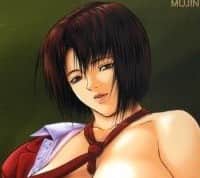
"Senjō" balances intense action sequences with quieter, character-driven moments, creating a narrative that is both gripping and emotionally resonant. The artwork complements the tone of the story, with detailed depictions of battlefields and expressive character designs that convey the physical and emotional scars of war. The manga’s pacing ensures a steady progression of the plot while allowing room for the exploration of its central themes and the development of its ensemble cast.
The story begins with Haruto’s enlistment in a militia group led by a charismatic but ruthless commander, Kaito. Kaito’s leadership style is pragmatic and often morally questionable, forcing Haruto to confront the harsh truths of war. As Haruto rises through the ranks, he forms bonds with fellow soldiers, including Aya, a skilled sniper with a tragic past, and Ren, a strategist grappling with the psychological toll of constant conflict. These relationships are tested as the group faces increasingly dire situations, including ambushes, betrayals, and the loss of comrades.
The plot is driven by a series of escalating battles, interspersed with moments of introspection and character development. Haruto’s initial desire for vengeance evolves into a broader struggle to protect what little remains of his humanity in a world consumed by violence. The manga explores themes of loyalty, sacrifice, and the cyclical nature of conflict, often highlighting the futility of war through the perspectives of both soldiers and civilians caught in the crossfire.
Key antagonists include the enigmatic General Kuroda, who commands the opposing faction with a mix of cunning and brutality, and a rogue mercenary named Shiro, whose personal vendetta against Kaito adds a layer of personal stakes to the larger conflict. The series also delves into the political machinations behind the war, revealing how power struggles among elites perpetuate the suffering of ordinary people.
"Senjō" balances intense action sequences with quieter, character-driven moments, creating a narrative that is both gripping and emotionally resonant. The artwork complements the tone of the story, with detailed depictions of battlefields and expressive character designs that convey the physical and emotional scars of war. The manga’s pacing ensures a steady progression of the plot while allowing room for the exploration of its central themes and the development of its ensemble cast.
Comment(s)
Staff
- Story & ArtYukio Shijima