
Manga
Description
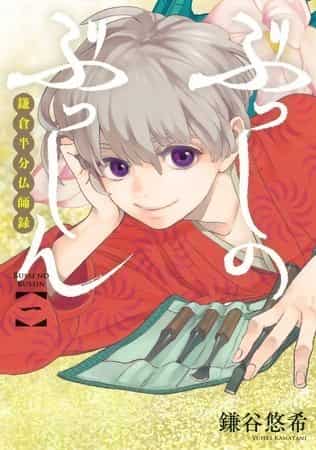
"Busshi no Busshin: Kamakura Hanbun Busshiroku" is a historical manga set in the Kamakura period of Japan, blending elements of drama, slice of life, and art. The narrative centers on Unkei, a renowned Buddhist sculptor, and his apprentices as they navigate the challenges of creating religious statues during a time of political and social upheaval. The story delves into the intricacies of sculpting, emphasizing the spiritual and technical dedication required to craft Buddhist imagery. Unkei’s journey is not only one of artistic mastery but also of personal growth, as he grapples with the expectations of his craft, the legacy of his predecessors, and the evolving demands of his patrons.
The plot explores the relationships between Unkei and his apprentices, highlighting their struggles, rivalries, and camaraderie. Each character brings a unique perspective to the art of sculpting, reflecting the diverse motivations and philosophies that drive their work. The narrative also examines the broader cultural and religious context of the Kamakura period, portraying the significance of Buddhist art in a society undergoing transformation. Through detailed depictions of the sculpting process, the manga provides insight into the historical techniques and materials used by artisans of the time.
Key themes include the tension between tradition and innovation, the pursuit of perfection, and the spiritual connection between artist and creation. The story balances moments of introspection with the practical challenges of running a workshop, offering a multifaceted view of Unkei’s world. The manga’s portrayal of historical events and figures adds depth to the narrative, grounding the characters’ experiences in the realities of their era. By focusing on the intersection of art, faith, and history, "Busshi no Busshin: Kamakura Hanbun Busshiroku" presents a compelling exploration of the life and work of one of Japan’s most celebrated sculptors.
The plot explores the relationships between Unkei and his apprentices, highlighting their struggles, rivalries, and camaraderie. Each character brings a unique perspective to the art of sculpting, reflecting the diverse motivations and philosophies that drive their work. The narrative also examines the broader cultural and religious context of the Kamakura period, portraying the significance of Buddhist art in a society undergoing transformation. Through detailed depictions of the sculpting process, the manga provides insight into the historical techniques and materials used by artisans of the time.
Key themes include the tension between tradition and innovation, the pursuit of perfection, and the spiritual connection between artist and creation. The story balances moments of introspection with the practical challenges of running a workshop, offering a multifaceted view of Unkei’s world. The manga’s portrayal of historical events and figures adds depth to the narrative, grounding the characters’ experiences in the realities of their era. By focusing on the intersection of art, faith, and history, "Busshi no Busshin: Kamakura Hanbun Busshiroku" presents a compelling exploration of the life and work of one of Japan’s most celebrated sculptors.
Comment(s)
Staff
- Story & Art