
Manga
Description
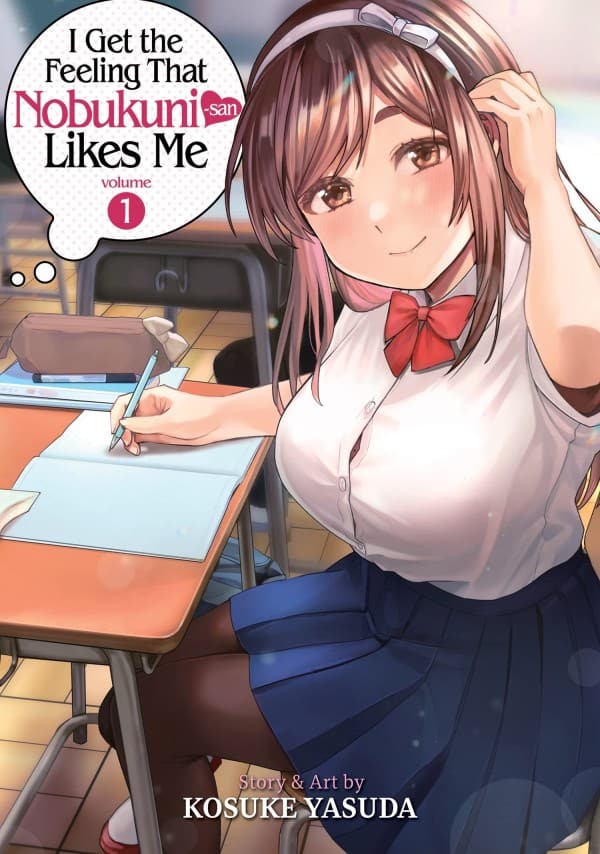
"I Get the Feeling That Nobukuni-san Likes Me" is a romantic comedy manga that centers on the interactions between two high school students, Nobukuni-san and the protagonist, whose name is not explicitly stated. Nobukuni-san is a quiet, reserved girl who rarely expresses her emotions openly, while the protagonist is an ordinary boy who begins to notice subtle signs that she might have feelings for him. The story unfolds through a series of everyday school life scenarios, where the protagonist interprets Nobukuni-san’s actions and behaviors, often leading to humorous misunderstandings and heartwarming moments.
The narrative explores the slow development of their relationship, with the protagonist frequently overanalyzing Nobukuni-san’s gestures, such as her willingness to share her lunch, her occasional blushes, or her quiet presence during group activities. Despite her stoic demeanor, Nobukuni-san’s actions gradually reveal a deeper affection, though she rarely communicates her feelings directly. This dynamic creates a lighthearted tension, as the protagonist struggles to discern whether her actions are genuine expressions of interest or simply his own wishful thinking.
The supporting cast includes classmates and friends who add to the comedic and social dynamics of the story. These characters often provide commentary or inadvertently influence the protagonist’s perceptions of Nobukuni-san’s behavior. The manga balances humor with tender moments, capturing the awkwardness and sweetness of young love. The pacing is deliberate, focusing on small, incremental developments in the relationship rather than dramatic plot twists, which aligns with the slice-of-life genre.
Themes of miscommunication, emotional vulnerability, and the challenges of understanding others’ feelings are central to the story. The protagonist’s internal monologues and observations drive much of the narrative, offering insight into his growing affection for Nobukuni-san and his attempts to navigate the complexities of their budding relationship. The manga’s charm lies in its relatable portrayal of the uncertainties and joys of teenage romance, making it an engaging read for fans of the genre.
The narrative explores the slow development of their relationship, with the protagonist frequently overanalyzing Nobukuni-san’s gestures, such as her willingness to share her lunch, her occasional blushes, or her quiet presence during group activities. Despite her stoic demeanor, Nobukuni-san’s actions gradually reveal a deeper affection, though she rarely communicates her feelings directly. This dynamic creates a lighthearted tension, as the protagonist struggles to discern whether her actions are genuine expressions of interest or simply his own wishful thinking.
The supporting cast includes classmates and friends who add to the comedic and social dynamics of the story. These characters often provide commentary or inadvertently influence the protagonist’s perceptions of Nobukuni-san’s behavior. The manga balances humor with tender moments, capturing the awkwardness and sweetness of young love. The pacing is deliberate, focusing on small, incremental developments in the relationship rather than dramatic plot twists, which aligns with the slice-of-life genre.
Themes of miscommunication, emotional vulnerability, and the challenges of understanding others’ feelings are central to the story. The protagonist’s internal monologues and observations drive much of the narrative, offering insight into his growing affection for Nobukuni-san and his attempts to navigate the complexities of their budding relationship. The manga’s charm lies in its relatable portrayal of the uncertainties and joys of teenage romance, making it an engaging read for fans of the genre.
Comment(s)
Staff
- Story & ArtKōsuke Yasuda