Description
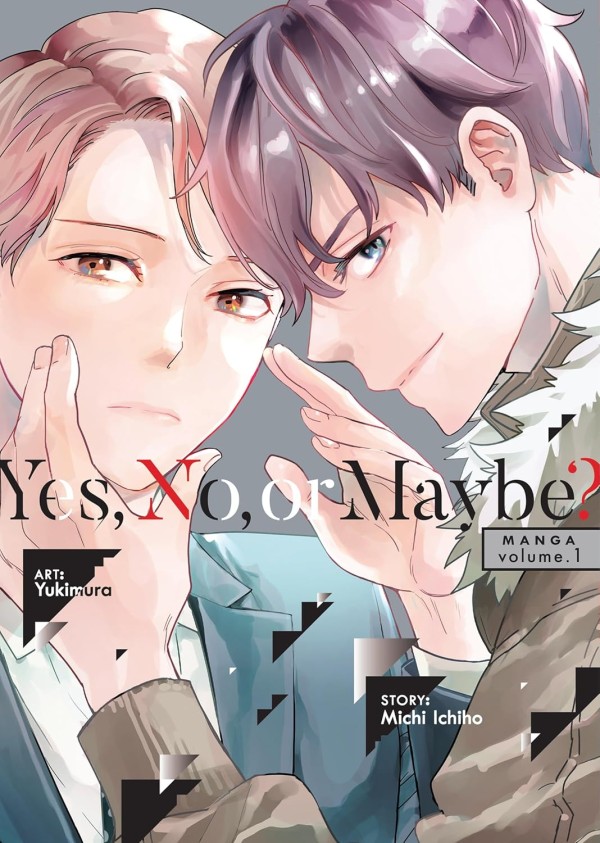
"Yes, No, or Maybe?" is a manga series that explores themes of identity, self-discovery, and relationships through its central characters, Kei Kunieda and Ushio Tsuzuki. Kei, a reserved and introverted college student, works part-time at a television station, where he meets Ushio, a confident and charismatic actor. Their initial interactions are marked by Ushio’s playful teasing and Kei’s reluctance to engage, creating a dynamic that evolves as the story progresses.
The narrative delves into Kei’s struggles with his own identity and his discomfort with being perceived as different. Ushio, on the other hand, appears self-assured but harbors his own vulnerabilities, particularly regarding his career and personal relationships. As the two grow closer, their relationship becomes a focal point, with Ushio encouraging Kei to confront his fears and embrace his true self. The story balances moments of lighthearted humor with deeper emotional exploration, particularly as Kei grapples with societal expectations and his own insecurities.
Supporting characters, such as Kei’s childhood friend and Ushio’s colleagues, add layers to the narrative, providing context and contrast to the central relationship. The manga also touches on themes of communication and the importance of understanding one another, as misunderstandings and missteps often arise between Kei and Ushio. The pacing allows for gradual character development, with both protagonists learning to navigate their feelings and the challenges they face.
The setting, primarily centered around the television station and Kei’s university, serves as a backdrop for the evolving relationship and personal growth of the characters. The story avoids overly dramatic plot twists, instead focusing on the nuances of human connection and the complexities of love and self-acceptance. Through its exploration of identity and relationships, "Yes, No, or Maybe?" offers a thoughtful and engaging narrative that resonates with readers interested in character-driven stories.
The narrative delves into Kei’s struggles with his own identity and his discomfort with being perceived as different. Ushio, on the other hand, appears self-assured but harbors his own vulnerabilities, particularly regarding his career and personal relationships. As the two grow closer, their relationship becomes a focal point, with Ushio encouraging Kei to confront his fears and embrace his true self. The story balances moments of lighthearted humor with deeper emotional exploration, particularly as Kei grapples with societal expectations and his own insecurities.
Supporting characters, such as Kei’s childhood friend and Ushio’s colleagues, add layers to the narrative, providing context and contrast to the central relationship. The manga also touches on themes of communication and the importance of understanding one another, as misunderstandings and missteps often arise between Kei and Ushio. The pacing allows for gradual character development, with both protagonists learning to navigate their feelings and the challenges they face.
The setting, primarily centered around the television station and Kei’s university, serves as a backdrop for the evolving relationship and personal growth of the characters. The story avoids overly dramatic plot twists, instead focusing on the nuances of human connection and the complexities of love and self-acceptance. Through its exploration of identity and relationships, "Yes, No, or Maybe?" offers a thoughtful and engaging narrative that resonates with readers interested in character-driven stories.
Comment(s)
Company
- Egmont Manga & Anime · 1
Relations
Manga overview