
Manga
Description
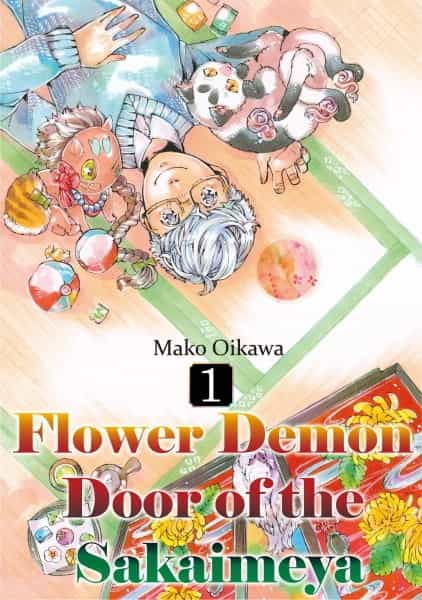
"The Flower Demon Door of the Sakaimeya" is a supernatural fantasy manga that intertwines elements of mystery, folklore, and human emotion. The narrative centers on the Sakaimeya, a mysterious antique shop that serves as a gateway between the human world and the realm of spirits. The shop is run by a enigmatic proprietor, who possesses the ability to communicate with supernatural entities and resolve their grievances. The shop’s primary function is to facilitate the resolution of lingering regrets held by spirits, often involving objects imbued with their memories or emotions.
The protagonist, a young woman named Aoi, becomes entangled with the Sakaimeya after inheriting a peculiar flower vase from her late grandmother. The vase is revealed to be a vessel for a flower demon, a spirit bound to the object due to unresolved emotions from its past life. Aoi’s connection to the vase draws her into the world of the Sakaimeya, where she begins to assist the proprietor in addressing the grievances of other spirits. Each chapter typically revolves around a specific object and the spirit tied to it, exploring themes of love, loss, betrayal, and redemption.
The flower demon, who takes on a humanoid form, becomes a key figure in the story. Initially aloof and bound by its own tragic past, the demon gradually forms a bond with Aoi, revealing layers of vulnerability and depth. Their evolving relationship serves as a narrative thread that ties together the episodic nature of the series. The proprietor of the Sakaimeya, whose origins and motivations remain shrouded in mystery, acts as a guide and mentor to Aoi, offering cryptic advice and insights into the spiritual realm.
The manga delves into the emotional weight of the spirits’ regrets, often highlighting the interconnectedness of human lives and the lasting impact of their actions. Objects such as mirrors, combs, and letters serve as conduits for these stories, each carrying a unique tale of sorrow or longing. The resolution of each spirit’s grievance typically involves Aoi and the flower demon working together to uncover the truth and bring closure, often requiring them to confront their own fears and insecurities.
As the series progresses, Aoi’s role within the Sakaimeya deepens, and she begins to uncover secrets about her own family’s connection to the shop and its supernatural dealings. The flower demon’s past is also gradually revealed, shedding light on its tragic origins and the circumstances that led to its binding. The interplay between the human and spirit worlds is a recurring theme, with the manga exploring the boundaries between life and death, memory and oblivion, and the enduring power of emotions.
The narrative maintains a balance between episodic storytelling and an overarching plot, with each chapter contributing to the larger mystery of the Sakaimeya and its inhabitants. The characters’ growth and the gradual unraveling of their histories provide a compelling emotional core, while the supernatural elements add a layer of intrigue and wonder. The manga’s exploration of human emotions through the lens of the spirit world creates a poignant and immersive experience, blending the fantastical with the deeply personal.
The protagonist, a young woman named Aoi, becomes entangled with the Sakaimeya after inheriting a peculiar flower vase from her late grandmother. The vase is revealed to be a vessel for a flower demon, a spirit bound to the object due to unresolved emotions from its past life. Aoi’s connection to the vase draws her into the world of the Sakaimeya, where she begins to assist the proprietor in addressing the grievances of other spirits. Each chapter typically revolves around a specific object and the spirit tied to it, exploring themes of love, loss, betrayal, and redemption.
The flower demon, who takes on a humanoid form, becomes a key figure in the story. Initially aloof and bound by its own tragic past, the demon gradually forms a bond with Aoi, revealing layers of vulnerability and depth. Their evolving relationship serves as a narrative thread that ties together the episodic nature of the series. The proprietor of the Sakaimeya, whose origins and motivations remain shrouded in mystery, acts as a guide and mentor to Aoi, offering cryptic advice and insights into the spiritual realm.
The manga delves into the emotional weight of the spirits’ regrets, often highlighting the interconnectedness of human lives and the lasting impact of their actions. Objects such as mirrors, combs, and letters serve as conduits for these stories, each carrying a unique tale of sorrow or longing. The resolution of each spirit’s grievance typically involves Aoi and the flower demon working together to uncover the truth and bring closure, often requiring them to confront their own fears and insecurities.
As the series progresses, Aoi’s role within the Sakaimeya deepens, and she begins to uncover secrets about her own family’s connection to the shop and its supernatural dealings. The flower demon’s past is also gradually revealed, shedding light on its tragic origins and the circumstances that led to its binding. The interplay between the human and spirit worlds is a recurring theme, with the manga exploring the boundaries between life and death, memory and oblivion, and the enduring power of emotions.
The narrative maintains a balance between episodic storytelling and an overarching plot, with each chapter contributing to the larger mystery of the Sakaimeya and its inhabitants. The characters’ growth and the gradual unraveling of their histories provide a compelling emotional core, while the supernatural elements add a layer of intrigue and wonder. The manga’s exploration of human emotions through the lens of the spirit world creates a poignant and immersive experience, blending the fantastical with the deeply personal.
Comment(s)
Staff
- Story & ArtMako Oikawa
Company
- Carlsen Comics · 1