
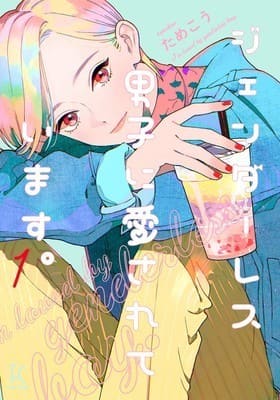
Manga
Description
"My Androgynous Boyfriend" is a manga series that explores themes of identity, relationships, and societal perceptions of gender through the lens of its central characters. The story centers on Wako Hanasaki, a 25-year-old office worker, and her boyfriend, Meguru Hanayama, a strikingly androgynous and beautiful man who works as a fashion model. Their relationship challenges conventional norms, as Meguru’s appearance often leads to misunderstandings and assumptions about his gender, while Wako navigates her own insecurities and societal pressures.
Wako is initially drawn to Meguru for his unique beauty and gentle personality, but their relationship is tested by external judgments and internal doubts. Meguru’s androgynous appearance frequently causes strangers to mistake him for a woman, leading to awkward or uncomfortable situations. Despite this, Meguru remains confident and unapologetic about his identity, embodying a sense of self-assurance that contrasts with Wako’s occasional struggles to reconcile her feelings with societal expectations.
The narrative delves into the dynamics of their relationship, highlighting moments of tenderness, humor, and conflict. Wako’s journey involves coming to terms with her own biases and learning to embrace Meguru for who he is, rather than conforming to traditional gender roles. Meguru, on the other hand, serves as a symbol of self-acceptance, often providing Wako with emotional support and perspective when she feels overwhelmed by societal pressures.
Secondary characters, such as Wako’s coworkers and Meguru’s colleagues in the fashion industry, add depth to the story by reflecting a range of attitudes toward gender and relationships. These interactions further emphasize the challenges faced by the couple, as well as the broader societal issues surrounding gender identity and expression.
The manga balances lighthearted moments with more serious themes, creating a narrative that is both engaging and thought-provoking. Through its exploration of love, identity, and societal norms, "My Androgynous Boyfriend" offers a nuanced portrayal of a relationship that defies conventional expectations, while also addressing the complexities of living authentically in a world that often demands conformity.
Wako is initially drawn to Meguru for his unique beauty and gentle personality, but their relationship is tested by external judgments and internal doubts. Meguru’s androgynous appearance frequently causes strangers to mistake him for a woman, leading to awkward or uncomfortable situations. Despite this, Meguru remains confident and unapologetic about his identity, embodying a sense of self-assurance that contrasts with Wako’s occasional struggles to reconcile her feelings with societal expectations.
The narrative delves into the dynamics of their relationship, highlighting moments of tenderness, humor, and conflict. Wako’s journey involves coming to terms with her own biases and learning to embrace Meguru for who he is, rather than conforming to traditional gender roles. Meguru, on the other hand, serves as a symbol of self-acceptance, often providing Wako with emotional support and perspective when she feels overwhelmed by societal pressures.
Secondary characters, such as Wako’s coworkers and Meguru’s colleagues in the fashion industry, add depth to the story by reflecting a range of attitudes toward gender and relationships. These interactions further emphasize the challenges faced by the couple, as well as the broader societal issues surrounding gender identity and expression.
The manga balances lighthearted moments with more serious themes, creating a narrative that is both engaging and thought-provoking. Through its exploration of love, identity, and societal norms, "My Androgynous Boyfriend" offers a nuanced portrayal of a relationship that defies conventional expectations, while also addressing the complexities of living authentically in a world that often demands conformity.
Comment(s)
Staff
- Story & ArtTamekō
Company
- Tokyopop · 1