Manga
Description
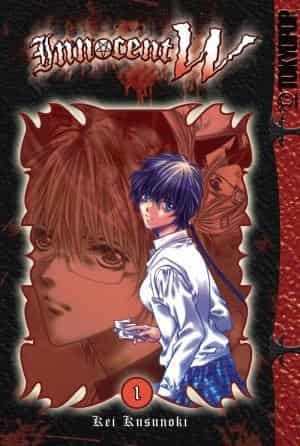
"Innocent W" is a historical manga series set in 18th-century France, serving as a sequel to "Innocent" by Shin'ichi Sakamoto. The story centers on Marie-Josèphe de Saxe, the daughter of Charles-Henri Sanson, the royal executioner of France. Marie-Josèphe, also known as Marie, is raised in a family deeply entrenched in the executioner's trade, a profession that carries immense social stigma. Despite her father's attempts to shield her from the brutality of their lineage, Marie becomes entangled in the dark and violent world of executions, politics, and societal upheaval.
The narrative explores Marie's struggle to reconcile her identity with the expectations and prejudices of her time. As she grows older, she becomes increasingly aware of the moral and emotional toll her family's profession takes on her father and herself. The story delves into the complexities of her relationships, particularly with her father, who is both a figure of authority and a man burdened by his role in society. Marie's journey is marked by her desire to understand her place in a world that views her family with disdain, while also grappling with her own sense of justice and humanity.
The backdrop of the French Revolution looms large over the story, with political tensions and societal unrest serving as a catalyst for much of the drama. The series portrays the shifting power dynamics and the rise of revolutionary ideals, which directly impact Marie and her family. As the revolution gains momentum, Marie finds herself caught between loyalty to her family and the changing world around her. The manga meticulously depicts the historical context, blending real events and figures with fictionalized elements to create a vivid and immersive narrative.
Key themes include the nature of justice, the weight of legacy, and the struggle for personal freedom in a rigidly hierarchical society. The characters are deeply layered, with Marie's internal conflict serving as the emotional core of the story. Her father, Charles-Henri Sanson, is portrayed as a complex figure, torn between his duty as an executioner and his love for his daughter. The supporting cast, including other members of the Sanson family and historical figures, adds depth to the narrative, highlighting the interconnectedness of personal and political struggles.
The artwork is detailed and evocative, capturing the opulence and brutality of 18th-century France. The depiction of executions and the grim realities of the time are rendered with a stark realism that underscores the gravity of the story. The pacing balances moments of introspection with intense, action-driven sequences, creating a compelling and immersive reading experience.
Overall, "Innocent W" is a gripping exploration of identity, morality, and history, offering a nuanced portrayal of a young woman's journey through a turbulent and transformative era. The series stands out for its rich historical detail, complex characters, and thought-provoking themes, making it a notable entry in the historical manga genre.
The narrative explores Marie's struggle to reconcile her identity with the expectations and prejudices of her time. As she grows older, she becomes increasingly aware of the moral and emotional toll her family's profession takes on her father and herself. The story delves into the complexities of her relationships, particularly with her father, who is both a figure of authority and a man burdened by his role in society. Marie's journey is marked by her desire to understand her place in a world that views her family with disdain, while also grappling with her own sense of justice and humanity.
The backdrop of the French Revolution looms large over the story, with political tensions and societal unrest serving as a catalyst for much of the drama. The series portrays the shifting power dynamics and the rise of revolutionary ideals, which directly impact Marie and her family. As the revolution gains momentum, Marie finds herself caught between loyalty to her family and the changing world around her. The manga meticulously depicts the historical context, blending real events and figures with fictionalized elements to create a vivid and immersive narrative.
Key themes include the nature of justice, the weight of legacy, and the struggle for personal freedom in a rigidly hierarchical society. The characters are deeply layered, with Marie's internal conflict serving as the emotional core of the story. Her father, Charles-Henri Sanson, is portrayed as a complex figure, torn between his duty as an executioner and his love for his daughter. The supporting cast, including other members of the Sanson family and historical figures, adds depth to the narrative, highlighting the interconnectedness of personal and political struggles.
The artwork is detailed and evocative, capturing the opulence and brutality of 18th-century France. The depiction of executions and the grim realities of the time are rendered with a stark realism that underscores the gravity of the story. The pacing balances moments of introspection with intense, action-driven sequences, creating a compelling and immersive reading experience.
Overall, "Innocent W" is a gripping exploration of identity, morality, and history, offering a nuanced portrayal of a young woman's journey through a turbulent and transformative era. The series stands out for its rich historical detail, complex characters, and thought-provoking themes, making it a notable entry in the historical manga genre.
Comment(s)
Staff
- Story & Art
Company
- Carlsen Comics · 1
Recommendations
Empfehlungen auf Basis gemeinsamer Kategorien.