Manga
Description
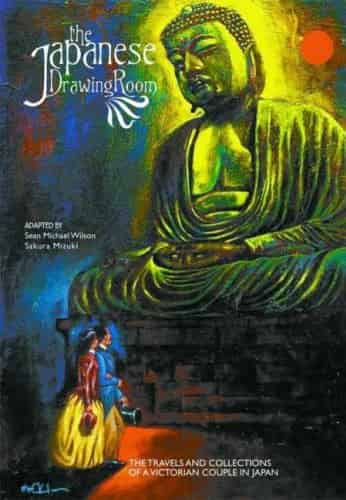
"The Japanese Drawing Room" is a manga series that explores themes of tradition, identity, and interpersonal relationships within the framework of a historical and cultural setting. The narrative centers around a young woman named Aiko, who inherits her family’s traditional Japanese drawing room, a space that has been preserved for generations as a place of artistic creation and cultural preservation. The drawing room serves as both a physical and symbolic focal point, representing the tension between preserving heritage and adapting to modernity.
Aiko, initially reluctant to take on the responsibility, gradually becomes immersed in the history and significance of the room. Through interactions with various characters, including her estranged grandfather, a local artisan, and a historian, she uncovers the stories of her ancestors who once used the space for calligraphy, tea ceremonies, and other traditional arts. These stories are interwoven with Aiko’s personal journey as she grapples with her own identity and the expectations placed upon her by her family and society.
The plot unfolds through a series of flashbacks and present-day events, revealing how the drawing room has been a witness to pivotal moments in the lives of Aiko’s predecessors. Each chapter delves into the lives of different characters connected to the room, highlighting their struggles, aspirations, and contributions to its legacy. The narrative also explores the broader societal changes in Japan, from the Meiji era to the present day, and how these shifts have impacted the preservation of cultural traditions.
Key characters include Aiko’s grandfather, a stern yet deeply knowledgeable figure who serves as a bridge between the past and present; a skilled calligrapher who becomes Aiko’s mentor; and a young historian who provides context and insight into the room’s historical significance. Their interactions with Aiko drive the story forward, as she learns to balance her respect for tradition with her desire to forge her own path.
The manga’s pacing is deliberate, allowing for a thorough exploration of its themes and characters. The drawing room itself is depicted as a character in its own right, with its architecture, artifacts, and atmosphere playing a central role in the narrative. Through Aiko’s journey, the series examines the complexities of cultural preservation, the weight of familial legacy, and the evolving nature of identity in a rapidly changing world.
Aiko, initially reluctant to take on the responsibility, gradually becomes immersed in the history and significance of the room. Through interactions with various characters, including her estranged grandfather, a local artisan, and a historian, she uncovers the stories of her ancestors who once used the space for calligraphy, tea ceremonies, and other traditional arts. These stories are interwoven with Aiko’s personal journey as she grapples with her own identity and the expectations placed upon her by her family and society.
The plot unfolds through a series of flashbacks and present-day events, revealing how the drawing room has been a witness to pivotal moments in the lives of Aiko’s predecessors. Each chapter delves into the lives of different characters connected to the room, highlighting their struggles, aspirations, and contributions to its legacy. The narrative also explores the broader societal changes in Japan, from the Meiji era to the present day, and how these shifts have impacted the preservation of cultural traditions.
Key characters include Aiko’s grandfather, a stern yet deeply knowledgeable figure who serves as a bridge between the past and present; a skilled calligrapher who becomes Aiko’s mentor; and a young historian who provides context and insight into the room’s historical significance. Their interactions with Aiko drive the story forward, as she learns to balance her respect for tradition with her desire to forge her own path.
The manga’s pacing is deliberate, allowing for a thorough exploration of its themes and characters. The drawing room itself is depicted as a character in its own right, with its architecture, artifacts, and atmosphere playing a central role in the narrative. Through Aiko’s journey, the series examines the complexities of cultural preservation, the weight of familial legacy, and the evolving nature of identity in a rapidly changing world.
Comment(s)
Recommendations
Empfehlungen auf Basis gemeinsamer Kategorien.