
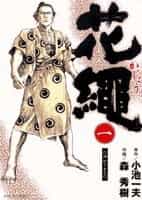
Manga
Description
"Kajō" is a manga series that explores themes of human connection, emotional vulnerability, and the complexities of relationships through its narrative and characters. The story centers on a young woman named Kajō, who possesses an unusual ability to see the "excess" in people—emotional burdens, unresolved feelings, and hidden desires that manifest as physical, ghost-like entities. These entities, invisible to most, cling to individuals and influence their behavior, often causing distress or conflict in their lives.
Kajō’s ability isolates her from others, as she struggles to navigate a world where she is constantly bombarded by the emotional excess of those around her. Her life takes a turn when she encounters a man named Shū, who is seemingly unaffected by the excess she perceives. Shū’s calm demeanor and lack of visible emotional baggage intrigue Kajō, and the two form an unlikely bond. As their relationship deepens, Kajō begins to question the nature of her ability and its impact on her own emotional well-being.
The narrative delves into the lives of various characters who cross paths with Kajō, each carrying their own burdens of excess. Through these interactions, the story examines how people cope with emotional pain, guilt, and unresolved trauma. Kajō’s ability serves as a metaphor for the invisible struggles that individuals carry, highlighting the importance of empathy and understanding in human relationships.
As the series progresses, Kajō and Shū’s dynamic evolves, revealing layers of vulnerability and strength in both characters. Shū’s mysterious past and his apparent immunity to excess become central to the plot, raising questions about the origins of Kajō’s ability and its connection to Shū. The story balances moments of introspection with emotional intensity, creating a narrative that is both thought-provoking and deeply human.
The manga’s exploration of emotional excess and its impact on individuals is complemented by its focus on personal growth and the healing power of connection. Kajō’s journey is one of self-discovery, as she learns to confront her own emotional burdens and find meaning in her unique perspective. The series weaves together themes of love, loss, and resilience, offering a poignant reflection on the human condition.
Kajō’s ability isolates her from others, as she struggles to navigate a world where she is constantly bombarded by the emotional excess of those around her. Her life takes a turn when she encounters a man named Shū, who is seemingly unaffected by the excess she perceives. Shū’s calm demeanor and lack of visible emotional baggage intrigue Kajō, and the two form an unlikely bond. As their relationship deepens, Kajō begins to question the nature of her ability and its impact on her own emotional well-being.
The narrative delves into the lives of various characters who cross paths with Kajō, each carrying their own burdens of excess. Through these interactions, the story examines how people cope with emotional pain, guilt, and unresolved trauma. Kajō’s ability serves as a metaphor for the invisible struggles that individuals carry, highlighting the importance of empathy and understanding in human relationships.
As the series progresses, Kajō and Shū’s dynamic evolves, revealing layers of vulnerability and strength in both characters. Shū’s mysterious past and his apparent immunity to excess become central to the plot, raising questions about the origins of Kajō’s ability and its connection to Shū. The story balances moments of introspection with emotional intensity, creating a narrative that is both thought-provoking and deeply human.
The manga’s exploration of emotional excess and its impact on individuals is complemented by its focus on personal growth and the healing power of connection. Kajō’s journey is one of self-discovery, as she learns to confront her own emotional burdens and find meaning in her unique perspective. The series weaves together themes of love, loss, and resilience, offering a poignant reflection on the human condition.
Comment(s)
Staff
- Story
- ArtHideki Mori