
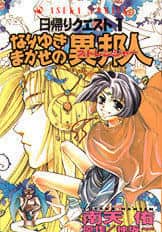
Manga
Description
"Higaeri Quest" centers on a group of individuals who find themselves transported to a mysterious fantasy world after encountering a strange phenomenon in their everyday lives. The protagonist, a young office worker named Haruto, is thrust into this unfamiliar realm alongside several others, each with their own unique backgrounds and personalities. The world they enter is governed by a system resembling a role-playing game, complete with levels, skills, and quests, which they must navigate to survive and uncover the truth behind their sudden displacement.
The narrative explores the dynamics of the group as they adapt to their new reality. Haruto, initially overwhelmed and uncertain, gradually takes on a leadership role, driven by a sense of responsibility and a desire to protect his companions. Among the group is Aoi, a pragmatic and resourceful high school student; Riku, a skilled gamer whose expertise proves invaluable in understanding the world’s mechanics; and Yuna, a kind-hearted nurse who provides emotional support and healing abilities. Together, they form a cohesive unit, balancing their individual strengths to overcome challenges.
As the story progresses, the group embarks on a series of quests, each revealing more about the world’s lore and the enigmatic forces that brought them there. They encounter otherworldly creatures, rival factions, and remnants of a civilization that once thrived in the realm. The quests are not merely physical trials but also moral and emotional tests, forcing the characters to confront their fears, insecurities, and past traumas. The narrative delves into themes of trust, sacrifice, and the human capacity for resilience in the face of adversity.
The world-building is intricate, with a blend of traditional fantasy elements and modern RPG mechanics. The system governing the world is both a tool for survival and a source of mystery, as the characters begin to question its origins and purpose. The story also introduces antagonists who challenge the group’s progress, including powerful entities that manipulate the system for their own ends. These conflicts drive the plot forward, creating tension and raising stakes as the characters strive to find a way back to their original world.
Character development is a key focus, with each member of the group undergoing significant growth. Haruto evolves from a reluctant participant to a determined leader, while Aoi’s practicality is tempered by her growing empathy. Riku’s confidence is tested as he faces the limitations of his gaming knowledge in a real-world setting, and Yuna’s nurturing nature is pushed to its limits as she grapples with the harsh realities of their situation. The interactions between the characters are nuanced, reflecting the complexities of their relationships and the pressures of their circumstances.
The pacing of the story balances action-packed sequences with quieter, introspective moments, allowing for both plot progression and emotional depth. The quests serve as a framework for the narrative, but the heart of the story lies in the characters’ journeys and their efforts to make sense of their predicament. The series maintains a steady tension, with each revelation and challenge deepening the mystery of the world and the characters’ connection to it.
The narrative explores the dynamics of the group as they adapt to their new reality. Haruto, initially overwhelmed and uncertain, gradually takes on a leadership role, driven by a sense of responsibility and a desire to protect his companions. Among the group is Aoi, a pragmatic and resourceful high school student; Riku, a skilled gamer whose expertise proves invaluable in understanding the world’s mechanics; and Yuna, a kind-hearted nurse who provides emotional support and healing abilities. Together, they form a cohesive unit, balancing their individual strengths to overcome challenges.
As the story progresses, the group embarks on a series of quests, each revealing more about the world’s lore and the enigmatic forces that brought them there. They encounter otherworldly creatures, rival factions, and remnants of a civilization that once thrived in the realm. The quests are not merely physical trials but also moral and emotional tests, forcing the characters to confront their fears, insecurities, and past traumas. The narrative delves into themes of trust, sacrifice, and the human capacity for resilience in the face of adversity.
The world-building is intricate, with a blend of traditional fantasy elements and modern RPG mechanics. The system governing the world is both a tool for survival and a source of mystery, as the characters begin to question its origins and purpose. The story also introduces antagonists who challenge the group’s progress, including powerful entities that manipulate the system for their own ends. These conflicts drive the plot forward, creating tension and raising stakes as the characters strive to find a way back to their original world.
Character development is a key focus, with each member of the group undergoing significant growth. Haruto evolves from a reluctant participant to a determined leader, while Aoi’s practicality is tempered by her growing empathy. Riku’s confidence is tested as he faces the limitations of his gaming knowledge in a real-world setting, and Yuna’s nurturing nature is pushed to its limits as she grapples with the harsh realities of their situation. The interactions between the characters are nuanced, reflecting the complexities of their relationships and the pressures of their circumstances.
The pacing of the story balances action-packed sequences with quieter, introspective moments, allowing for both plot progression and emotional depth. The quests serve as a framework for the narrative, but the heart of the story lies in the characters’ journeys and their efforts to make sense of their predicament. The series maintains a steady tension, with each revelation and challenge deepening the mystery of the world and the characters’ connection to it.
Comment(s)