Manga
Description
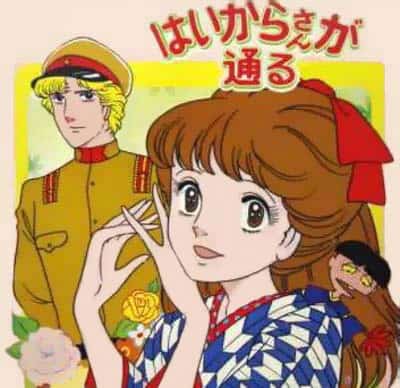
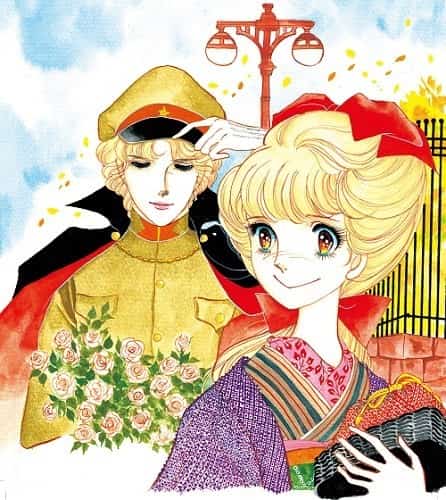
"Haikara-san ga Tooru" is a historical shoujo manga set in the Taisho era of Japan, a period marked by cultural modernization and shifting societal norms. The story centers on Benio Hanamura, a spirited and unconventional young woman who defies traditional gender roles. Raised by her father, a high-ranking military officer, Benio is educated, independent, and skilled in kendo, embodying the "haikara" (high-collar) spirit of embracing Western-influenced modernity. Her life takes a dramatic turn when her father arranges her engagement to Shinobu Ijuin, a lieutenant she has never met. Benio initially resists the arrangement, determined to live life on her own terms.
As the narrative unfolds, Benio's path crosses with Shinobu, who is revealed to be a kind and understanding man. Despite her initial reluctance, Benio begins to develop feelings for him. However, their relationship faces numerous challenges, including misunderstandings, societal expectations, and personal tragedies. The story delves into themes of love, duty, and the struggle between tradition and progress, as Benio navigates her evolving emotions and responsibilities.
The manga also explores the lives of supporting characters, such as Benio's friends and family, who each grapple with their own struggles in a rapidly changing society. The narrative is enriched by its historical backdrop, incorporating real-world events and cultural shifts of the Taisho era, such as the rise of women's education and the lingering influence of samurai values. The interplay between personal growth and societal change is a recurring motif, as characters confront the tension between individual desires and collective expectations.
Benio's journey is marked by resilience and self-discovery, as she learns to balance her independent spirit with the demands of love and duty. The story's emotional depth and historical authenticity have made it a enduring classic in the shoujo genre, resonating with readers for its portrayal of a strong-willed heroine navigating a transformative period in Japanese history.
As the narrative unfolds, Benio's path crosses with Shinobu, who is revealed to be a kind and understanding man. Despite her initial reluctance, Benio begins to develop feelings for him. However, their relationship faces numerous challenges, including misunderstandings, societal expectations, and personal tragedies. The story delves into themes of love, duty, and the struggle between tradition and progress, as Benio navigates her evolving emotions and responsibilities.
The manga also explores the lives of supporting characters, such as Benio's friends and family, who each grapple with their own struggles in a rapidly changing society. The narrative is enriched by its historical backdrop, incorporating real-world events and cultural shifts of the Taisho era, such as the rise of women's education and the lingering influence of samurai values. The interplay between personal growth and societal change is a recurring motif, as characters confront the tension between individual desires and collective expectations.
Benio's journey is marked by resilience and self-discovery, as she learns to balance her independent spirit with the demands of love and duty. The story's emotional depth and historical authenticity have made it a enduring classic in the shoujo genre, resonating with readers for its portrayal of a strong-willed heroine navigating a transformative period in Japanese history.
Comment(s)
Staff
- Story & Art
Relations
Anime overview