
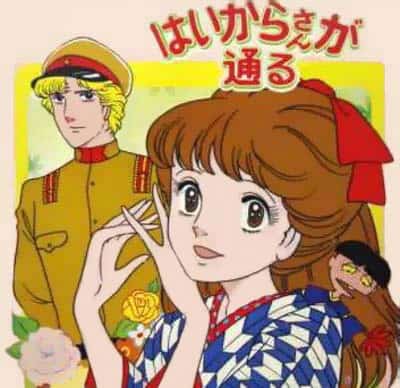
TV-Series
Description
"Smart-san" centers on the life of a high school student named Smart, who possesses an extraordinary intellect but struggles with social interactions and everyday tasks. Despite his genius-level problem-solving abilities and academic prowess, Smart often finds himself in comedic and awkward situations due to his lack of common sense and emotional awareness. His classmates and teachers frequently misinterpret his actions, leading to misunderstandings that drive much of the series' humor.
The narrative unfolds in a school setting, where Smart's unconventional approach to life contrasts sharply with the expectations of those around him. His best friend, a more socially adept and grounded individual, often acts as a mediator, helping Smart navigate the complexities of human relationships. The dynamic between Smart and his friend serves as a core element of the story, highlighting themes of friendship, personal growth, and the balance between intellect and emotional intelligence.
Throughout the series, Smart encounters various challenges, both academic and personal, that test his abilities and force him to confront his limitations. These challenges range from solving intricate puzzles and participating in school competitions to dealing with everyday scenarios like group projects and social events. Each episode typically presents a self-contained story, often with a humorous twist, while contributing to the overarching development of Smart's character.
The supporting cast includes a diverse group of classmates and teachers, each with distinct personalities that play off Smart's quirks. These characters provide additional layers to the narrative, offering different perspectives on Smart's behavior and creating opportunities for both comedic and heartfelt moments. The series balances lighthearted comedy with occasional moments of introspection, exploring the idea that intelligence alone does not guarantee success or happiness.
"Smart-san" is structured as a slice-of-life comedy, with episodic storytelling that emphasizes character interactions and situational humor. The plot avoids heavy drama or complex story arcs, instead focusing on the everyday experiences of its protagonist and the humorous consequences of his unique worldview. This approach makes the series accessible and engaging, appealing to audiences who enjoy character-driven narratives with a comedic edge.
The narrative unfolds in a school setting, where Smart's unconventional approach to life contrasts sharply with the expectations of those around him. His best friend, a more socially adept and grounded individual, often acts as a mediator, helping Smart navigate the complexities of human relationships. The dynamic between Smart and his friend serves as a core element of the story, highlighting themes of friendship, personal growth, and the balance between intellect and emotional intelligence.
Throughout the series, Smart encounters various challenges, both academic and personal, that test his abilities and force him to confront his limitations. These challenges range from solving intricate puzzles and participating in school competitions to dealing with everyday scenarios like group projects and social events. Each episode typically presents a self-contained story, often with a humorous twist, while contributing to the overarching development of Smart's character.
The supporting cast includes a diverse group of classmates and teachers, each with distinct personalities that play off Smart's quirks. These characters provide additional layers to the narrative, offering different perspectives on Smart's behavior and creating opportunities for both comedic and heartfelt moments. The series balances lighthearted comedy with occasional moments of introspection, exploring the idea that intelligence alone does not guarantee success or happiness.
"Smart-san" is structured as a slice-of-life comedy, with episodic storytelling that emphasizes character interactions and situational humor. The plot avoids heavy drama or complex story arcs, instead focusing on the everyday experiences of its protagonist and the humorous consequences of his unique worldview. This approach makes the series accessible and engaging, appealing to audiences who enjoy character-driven narratives with a comedic edge.
Episodes
Staffel 1
21Life is Short yet Worries know no Bounds
22Flower of Love Blooms from the Scattered Flowers
23Yesterday was Heaven, Today is Hell
24The Army cannot be Forgiven
25Do Not Go! Lieutenant
40The Lietenant Lives within Me
41The Person who Flew with the Plane
42Ah! Taishou Romance
Cast
- Frédéric
- Charlie
- Juliette
- Anna
- Comte 1er Juin
- Shinobu Ijūin
- Narrator
- Count Ijūin
- Jocelyne
- Comtesse 1er Juin
- Lieutenant Hanamura
- Ranmaru Fujieda
- Countess Ijūin
Comment(s)
Staff
- DirectorKazuyoshi Yokota
- StoryboardHiroshi YoshidaTeppei MatsuuraYokoo Yoko
- MusicMasuhiro Yamaguchi
- Character DesignTsutomu Shibayama
- Director of PhotographyTōru HagiwaraJun Hagiwara
- ProducerKoichi Takahashi
- Screenplay
- Episode DirectorKazuyoshi YokotaHiroshi YoshidaTetsuro KumaseJōhei MatsuuraKōzō Takagaki
- Original creator
- Animation DirectorSadayoshi TominagaEiji TanakaYoshiyuki KishiTatsuhiro NagakiKazuo TashiroEiji KawakitaTakashi SaijōJūji Mizumura
- Executive producerKōichi Motohashi
- Script
Production
- ProductionNippon AnimationTV Asahi
Relations
Manga overview
Music