Manga
Description
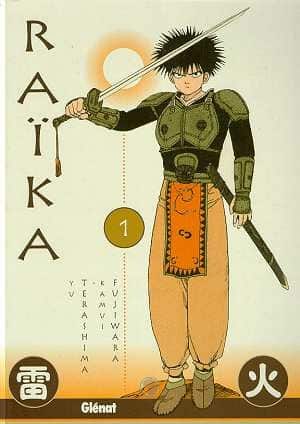
"Raika - Chronicles of Japan from the Earliest Times" is a historical manga that delves into the formative periods of Japanese history, blending mythology, folklore, and historical events. The narrative spans from the mythological origins of Japan to the establishment of its early political and cultural foundations, offering a sweeping portrayal of the nation's genesis.
The story begins with the creation myths of Japan, focusing on the divine beings Izanagi and Izanami, who are said to have birthed the islands of Japan and its deities. Their descendants, including the sun goddess Amaterasu, play pivotal roles in shaping the land and its people. The manga explores the tension between the celestial and earthly realms, particularly through the tale of Amaterasu's retreat into a cave, which plunges the world into darkness until she is coaxed out by the other gods. This mythological framework sets the stage for the emergence of Japan's first legendary emperor, Jimmu, who is portrayed as a descendant of Amaterasu and the unifier of the Yamato region.
As the narrative progresses, it shifts to more historically grounded events, chronicling the rise of the Yamato clan and the consolidation of power under early imperial rule. Key figures such as Emperor Sujin, who is credited with establishing early administrative systems, and Emperor Keitai, who is associated with the expansion of Yamato influence, are depicted in their efforts to stabilize and expand the nascent state. The manga also highlights the interplay between indigenous beliefs and the introduction of Buddhism, which becomes a significant cultural and political force during this period.
The characters are deeply intertwined with the historical and mythological fabric of Japan. Amaterasu serves as a symbolic anchor, representing the divine mandate of the imperial line. Jimmu embodies the ideals of leadership and unification, while later emperors and their advisors grapple with the challenges of governance, external threats, and internal dissent. The manga also introduces lesser-known figures from folklore and historical records, enriching the narrative with diverse perspectives on Japan's early development.
Themes of unity, divine authority, and the interplay between myth and history are central to the story. The manga meticulously weaves together legendary tales and documented events, creating a cohesive narrative that reflects the complexities of Japan's origins. Through its detailed portrayal of key figures and events, "Raika - Chronicles of Japan from the Earliest Times" offers a comprehensive exploration of the forces that shaped Japan's identity and legacy.
The story begins with the creation myths of Japan, focusing on the divine beings Izanagi and Izanami, who are said to have birthed the islands of Japan and its deities. Their descendants, including the sun goddess Amaterasu, play pivotal roles in shaping the land and its people. The manga explores the tension between the celestial and earthly realms, particularly through the tale of Amaterasu's retreat into a cave, which plunges the world into darkness until she is coaxed out by the other gods. This mythological framework sets the stage for the emergence of Japan's first legendary emperor, Jimmu, who is portrayed as a descendant of Amaterasu and the unifier of the Yamato region.
As the narrative progresses, it shifts to more historically grounded events, chronicling the rise of the Yamato clan and the consolidation of power under early imperial rule. Key figures such as Emperor Sujin, who is credited with establishing early administrative systems, and Emperor Keitai, who is associated with the expansion of Yamato influence, are depicted in their efforts to stabilize and expand the nascent state. The manga also highlights the interplay between indigenous beliefs and the introduction of Buddhism, which becomes a significant cultural and political force during this period.
The characters are deeply intertwined with the historical and mythological fabric of Japan. Amaterasu serves as a symbolic anchor, representing the divine mandate of the imperial line. Jimmu embodies the ideals of leadership and unification, while later emperors and their advisors grapple with the challenges of governance, external threats, and internal dissent. The manga also introduces lesser-known figures from folklore and historical records, enriching the narrative with diverse perspectives on Japan's early development.
Themes of unity, divine authority, and the interplay between myth and history are central to the story. The manga meticulously weaves together legendary tales and documented events, creating a cohesive narrative that reflects the complexities of Japan's origins. Through its detailed portrayal of key figures and events, "Raika - Chronicles of Japan from the Earliest Times" offers a comprehensive exploration of the forces that shaped Japan's identity and legacy.
Comment(s)
Staff
- StoryYū Terashima
Recommendations
Empfehlungen auf Basis gemeinsamer Kategorien.