
OVA
Description
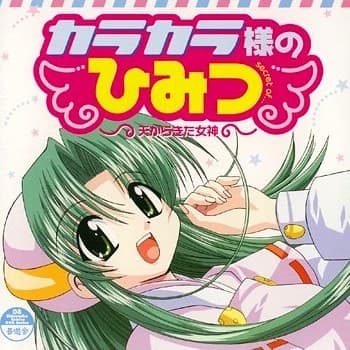
"Karakara-sama no Himitsu - Ten kara kita Megami" centers on a small, rural town where the arrival of a mysterious girl disrupts the quiet lives of its inhabitants. The girl, named Karakara, claims to be a goddess sent from the heavens to bring prosperity to the town. Her presence sparks curiosity and skepticism among the townsfolk, particularly the protagonist, a young man named Haruto, who is initially reluctant to believe her divine claims. As Karakara begins to perform seemingly miraculous acts, such as healing the sick and bringing bountiful harvests, the townspeople gradually start to accept her as a genuine deity.
However, Karakara’s true intentions and origins remain shrouded in mystery. Her actions, while benevolent, are accompanied by cryptic warnings about an impending calamity that threatens the town. Haruto, driven by a mix of curiosity and concern, begins to investigate Karakara’s past, uncovering fragments of her history that suggest a deeper connection to the town than she initially reveals. Along the way, Haruto forms a bond with Karakara, who struggles with her own identity and the weight of her responsibilities as a goddess.
The narrative explores themes of faith, community, and the balance between human and divine intervention. As the story progresses, the townspeople must confront their own beliefs and prejudices, while Karakara grapples with the limitations of her powers and the moral implications of her actions. The series builds toward a climactic confrontation with the looming threat Karakara warned about, forcing both her and the townsfolk to make difficult choices that will determine the future of their community.
The main characters include Haruto, a pragmatic and grounded individual who serves as the audience’s lens into the story; Karakara, the enigmatic goddess whose presence drives the plot; and a supporting cast of townspeople, each with their own struggles and perspectives that add depth to the narrative. The interplay between these characters and their evolving relationships forms the emotional core of the series, blending moments of humor, drama, and introspection.
However, Karakara’s true intentions and origins remain shrouded in mystery. Her actions, while benevolent, are accompanied by cryptic warnings about an impending calamity that threatens the town. Haruto, driven by a mix of curiosity and concern, begins to investigate Karakara’s past, uncovering fragments of her history that suggest a deeper connection to the town than she initially reveals. Along the way, Haruto forms a bond with Karakara, who struggles with her own identity and the weight of her responsibilities as a goddess.
The narrative explores themes of faith, community, and the balance between human and divine intervention. As the story progresses, the townspeople must confront their own beliefs and prejudices, while Karakara grapples with the limitations of her powers and the moral implications of her actions. The series builds toward a climactic confrontation with the looming threat Karakara warned about, forcing both her and the townsfolk to make difficult choices that will determine the future of their community.
The main characters include Haruto, a pragmatic and grounded individual who serves as the audience’s lens into the story; Karakara, the enigmatic goddess whose presence drives the plot; and a supporting cast of townspeople, each with their own struggles and perspectives that add depth to the narrative. The interplay between these characters and their evolving relationships forms the emotional core of the series, blending moments of humor, drama, and introspection.
Comment(s)
Staff
- Original creator