TV-Series
Description
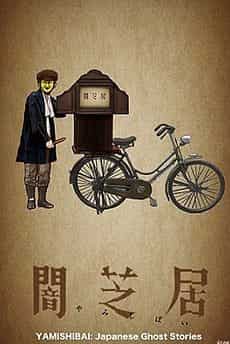
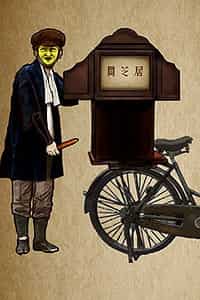
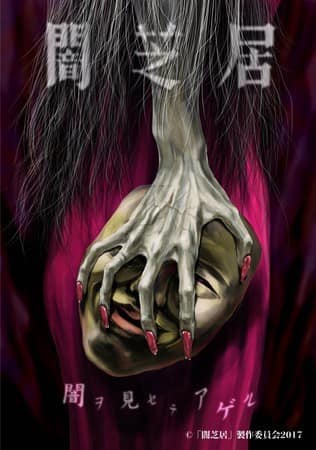
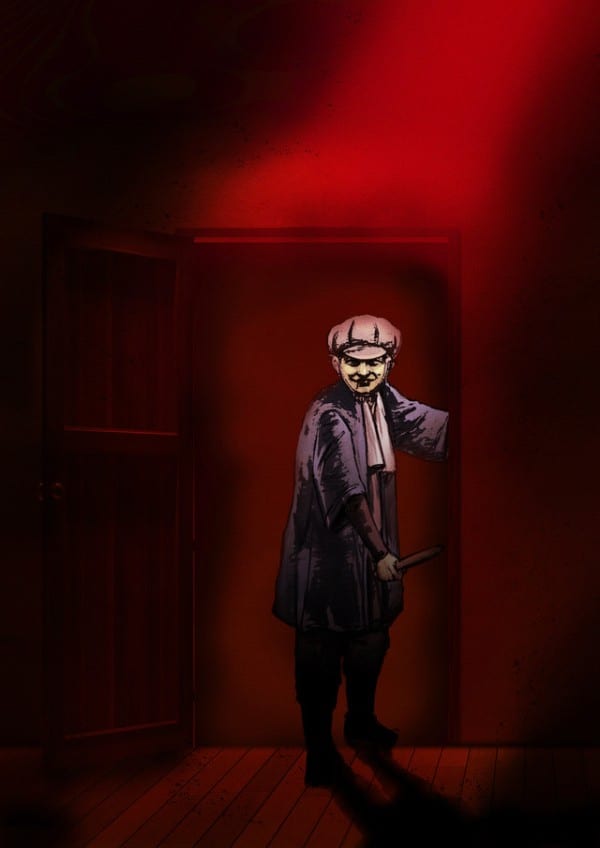
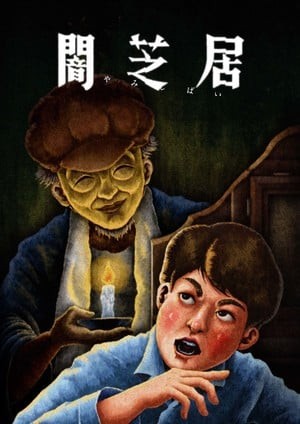
Every week at 5 p.m., an old man wearing a yellow mask appears on a children’s playground. He is the kamishibaiya, a traveling storyteller who carries a miniature wooden stage on the back of his bicycle. Using the traditional kamishibai method of illustrated paper scrolls, he gathers the children around and begins to tell a ghost story. Each tale is a self-contained short, drawn from Japanese myths, folklore, and modern urban legends. The stories are only a few minutes long, but they are unsettling and atmospheric, often ending on an ambiguous or chilling note.
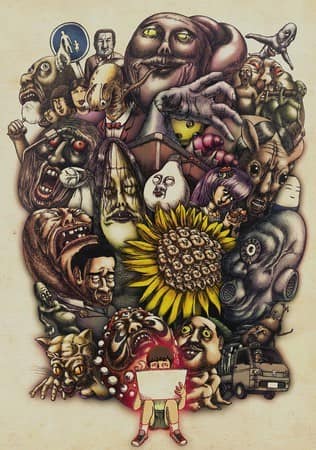
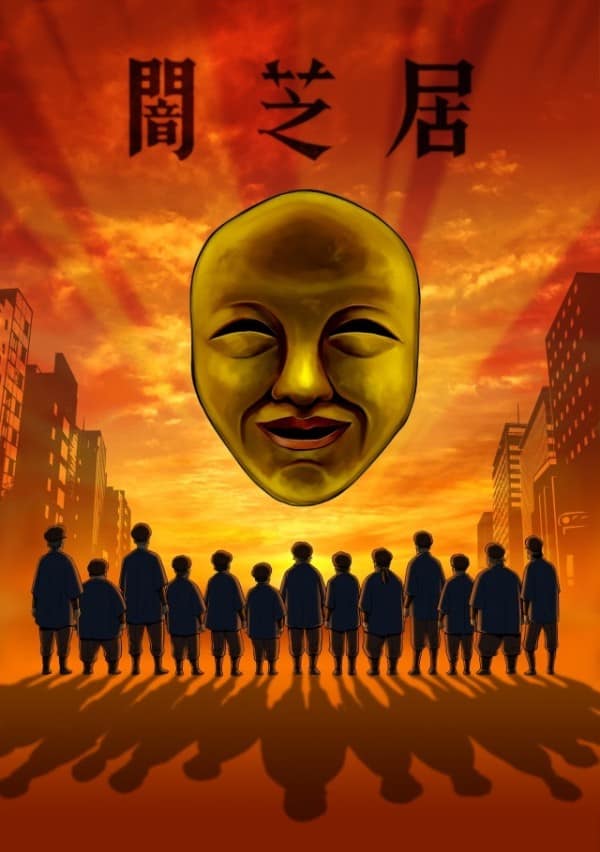
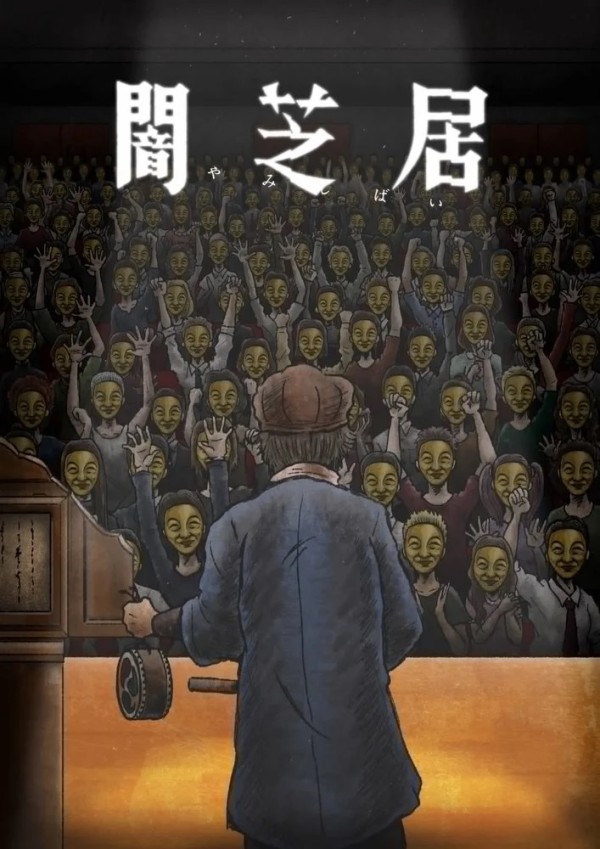
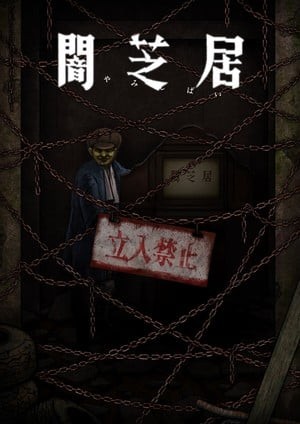
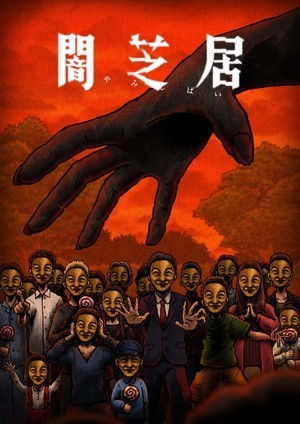
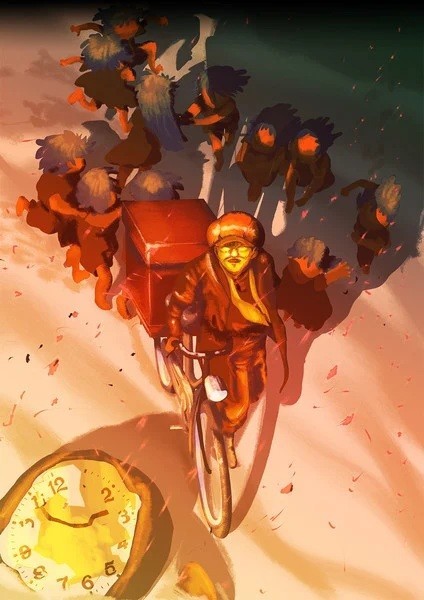
The series itself is an anthology: there are no recurring characters inside the stories, only the narrator who frames each episode. The narrator’s identity remains mysterious, and as the seasons progress, the way he appears and the setting of his storytelling evolve. In the third season, the old man is replaced by a young boy who sits on a playground slide, singing a cryptic rhyme while drawing the creatures from the tales; at the end of each episode, his mask multiplies and eventually covers his own face, revealing him as a child version of the same narrator. From the fourth season onward, the old man returns to his original format, but each season places him in a different environment: in the fifth season he tells his stories to a crowd of women gathered in silhouette; in the sixth the tales unfold in a forest, with a shadow taking his form; in the seventh he appears in a dark apartment; in the eighth he stands at a busy urban intersection surrounded by faceless passersby. The ninth season shifts the audience to animals, each episode tied to a creature of the Chinese zodiac. The tenth season is structured around the tradition of Hyakumonogatari Kaidankai, a game where a hundred ghost stories are told by candlelight.
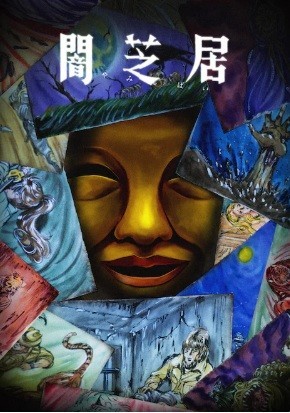
Despite the changing backdrops, the core remains constant: a masked narrator, a small audience, and a new horror story every week. The animation mimics the static, theatrical feel of kamishibai, with limited movement, stark colors, and an emphasis on sound design and silence. The series spans many seasons, with episodes that tap into common fears—vengeful spirits, cursed objects, abandoned schools, haunted hospitals, and the consequences of broken traditions. There are no continuing plotlines or character arcs beyond the narrator’s ritualistic appearances; instead, the tension builds within each short, and the horror relies on suggestion and atmosphere rather than graphic violence. The series also includes a spin-off titled Ninja Collection, which applies the same anthology approach to ninja-themed folklore.
The series itself is an anthology: there are no recurring characters inside the stories, only the narrator who frames each episode. The narrator’s identity remains mysterious, and as the seasons progress, the way he appears and the setting of his storytelling evolve. In the third season, the old man is replaced by a young boy who sits on a playground slide, singing a cryptic rhyme while drawing the creatures from the tales; at the end of each episode, his mask multiplies and eventually covers his own face, revealing him as a child version of the same narrator. From the fourth season onward, the old man returns to his original format, but each season places him in a different environment: in the fifth season he tells his stories to a crowd of women gathered in silhouette; in the sixth the tales unfold in a forest, with a shadow taking his form; in the seventh he appears in a dark apartment; in the eighth he stands at a busy urban intersection surrounded by faceless passersby. The ninth season shifts the audience to animals, each episode tied to a creature of the Chinese zodiac. The tenth season is structured around the tradition of Hyakumonogatari Kaidankai, a game where a hundred ghost stories are told by candlelight.
Despite the changing backdrops, the core remains constant: a masked narrator, a small audience, and a new horror story every week. The animation mimics the static, theatrical feel of kamishibai, with limited movement, stark colors, and an emphasis on sound design and silence. The series spans many seasons, with episodes that tap into common fears—vengeful spirits, cursed objects, abandoned schools, haunted hospitals, and the consequences of broken traditions. There are no continuing plotlines or character arcs beyond the narrator’s ritualistic appearances; instead, the tension builds within each short, and the horror relies on suggestion and atmosphere rather than graphic violence. The series also includes a spin-off titled Ninja Collection, which applies the same anthology approach to ninja-themed folklore.
Cast
- Storyteller
Comment(s)
Staff
- Director
- StoryboardChōji YoshikawaKazuma TaketaniShōma Mutō
- ScriptHiromu KumamotoMitsuhiro SasakiKanako Ishigami
- Producer
Production
- Animation ProductionILCA
Relations
Anime overview