TV-Series
Description
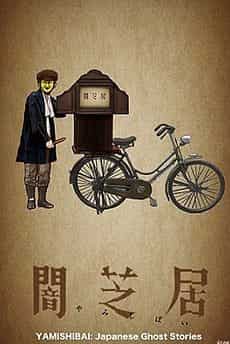
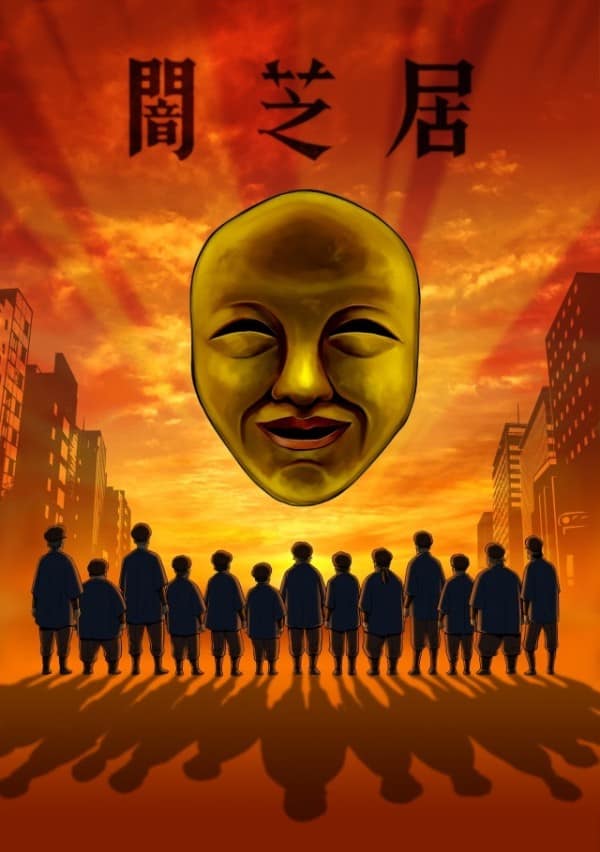
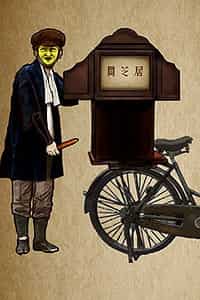
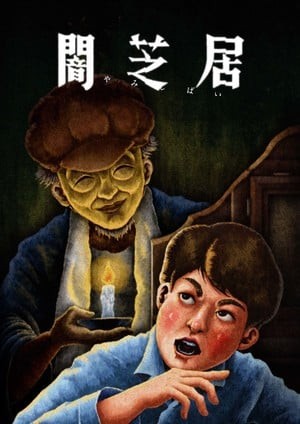
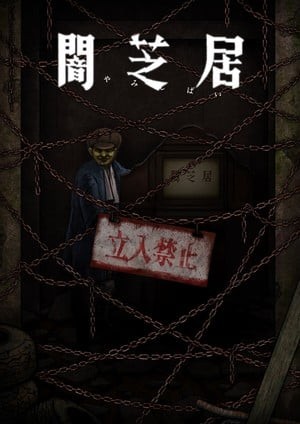
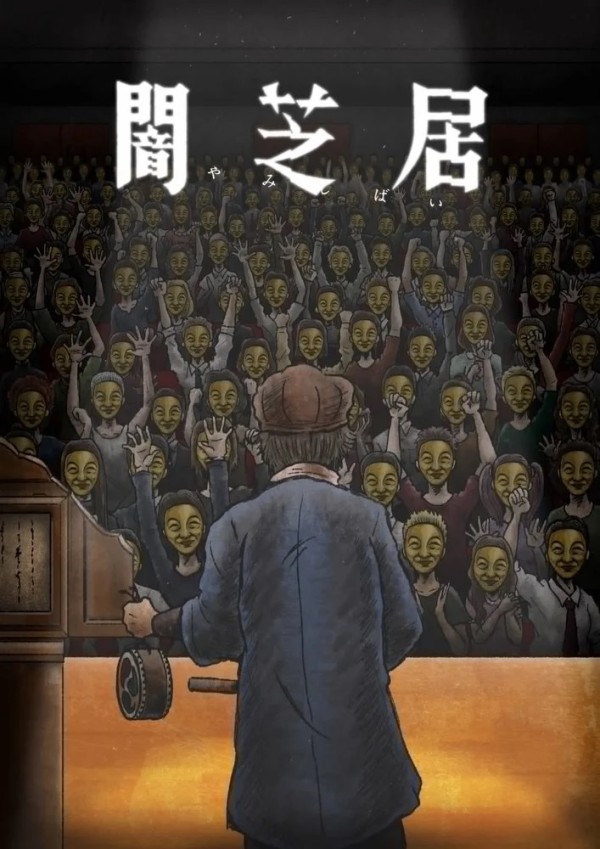
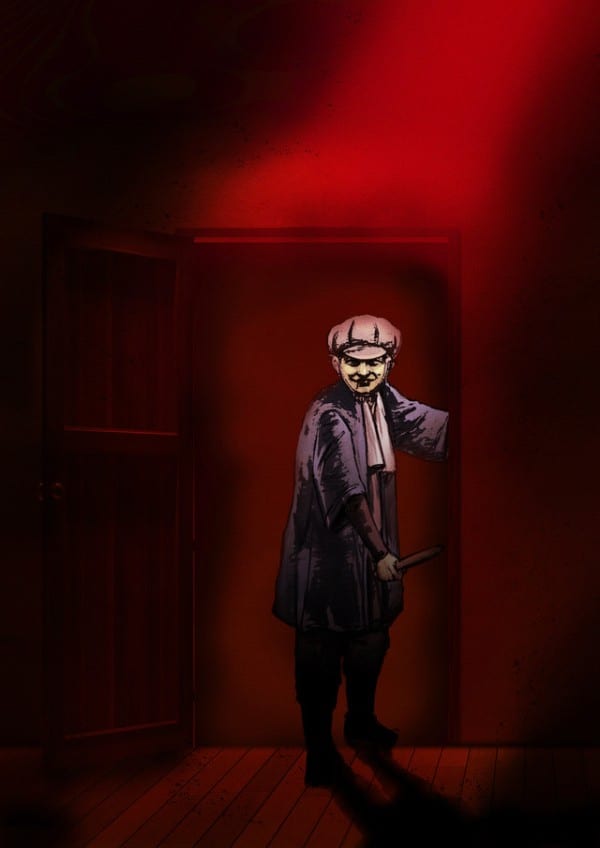
"Yamishibai: Japanese Ghost Stories" is an anthology-style anime series that presents standalone horror tales inspired by Japanese urban legends, folklore, and supernatural myths. Each episode is short, typically lasting around four to five minutes, and adopts a distinctive art style reminiscent of traditional kamishibai storytelling, a form of Japanese street theater that uses illustrated boards to narrate stories. The series is framed by the recurring presence of a mysterious Storyteller, a masked man who arrives at dusk to gather children and share eerie tales.
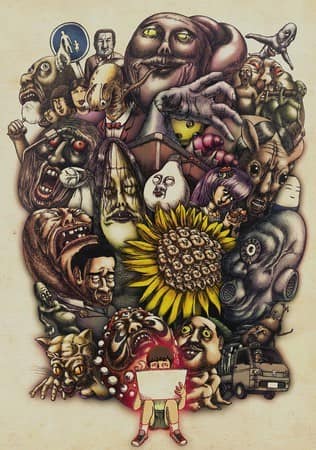
The stories vary widely in theme and setting but consistently explore themes of fear, the unknown, and the consequences of human actions. Many episodes draw from classic Japanese ghost stories, such as vengeful spirits (yūrei), cursed objects, and malevolent entities. Others delve into modern urban legends, including haunted technology, cursed social media, and encounters with supernatural beings in everyday life. The narratives often feature ordinary individuals who inadvertently stumble into supernatural situations, with their actions or curiosity leading to terrifying outcomes.
Characters in each episode are typically ordinary people—students, office workers, families, or passersby—who become entangled in supernatural events. Their roles are often tied to the moral or cautionary aspect of the story, emphasizing themes like greed, guilt, or the violation of cultural taboos. The Storyteller, though not directly involved in the tales, serves as a unifying figure, introducing and concluding each story with an air of foreboding.
The series is structured to evoke a sense of unease and suspense, with minimalist animation and sound design enhancing the eerie atmosphere. The brevity of each episode contributes to the intensity of the horror, often ending on a chilling or ambiguous note that leaves the audience unsettled. Over its multiple seasons, "Yamishibai" has maintained its focus on delivering concise, impactful horror stories rooted in Japanese cultural traditions and contemporary fears.
The stories vary widely in theme and setting but consistently explore themes of fear, the unknown, and the consequences of human actions. Many episodes draw from classic Japanese ghost stories, such as vengeful spirits (yūrei), cursed objects, and malevolent entities. Others delve into modern urban legends, including haunted technology, cursed social media, and encounters with supernatural beings in everyday life. The narratives often feature ordinary individuals who inadvertently stumble into supernatural situations, with their actions or curiosity leading to terrifying outcomes.
Characters in each episode are typically ordinary people—students, office workers, families, or passersby—who become entangled in supernatural events. Their roles are often tied to the moral or cautionary aspect of the story, emphasizing themes like greed, guilt, or the violation of cultural taboos. The Storyteller, though not directly involved in the tales, serves as a unifying figure, introducing and concluding each story with an air of foreboding.
The series is structured to evoke a sense of unease and suspense, with minimalist animation and sound design enhancing the eerie atmosphere. The brevity of each episode contributes to the intensity of the horror, often ending on a chilling or ambiguous note that leaves the audience unsettled. Over its multiple seasons, "Yamishibai" has maintained its focus on delivering concise, impactful horror stories rooted in Japanese cultural traditions and contemporary fears.
Episodes
Staffel 1
1Delivery
2The Sleepless Child
3The Reception Room
4Paintings
5Notice of Termination of Service
6The Veranda
7Public Phone
8Cough
9The Woman in the Elevator
10Manga Cafe
11Little Sister`s Room
12Fitting Room
13Refrigerator
Comment(s)
Staff
- DirectorKenichi Sugimoto
- ProducerSatoshi UmetsuAkira Funada
- ScriptHiromu KumamotoAyako YamaguchiMitsuhiro SasakiSaki Kuniyoshi
Production
- Animation ProductionILCA
Relations
Anime overview