TV-Series
Description
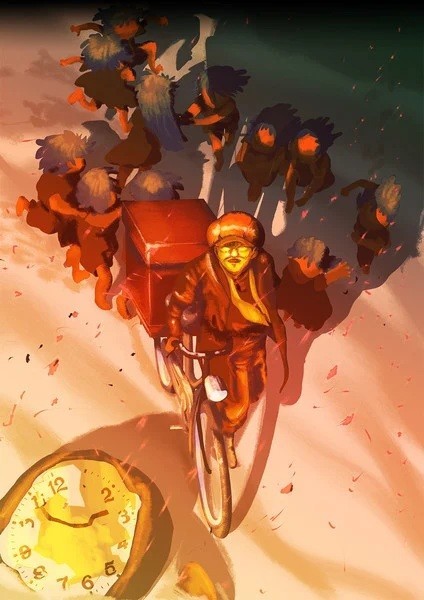
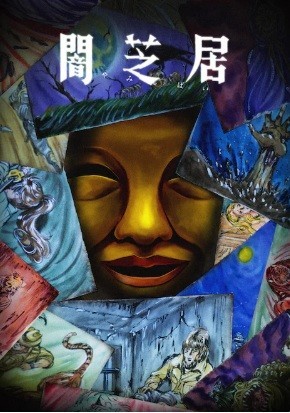
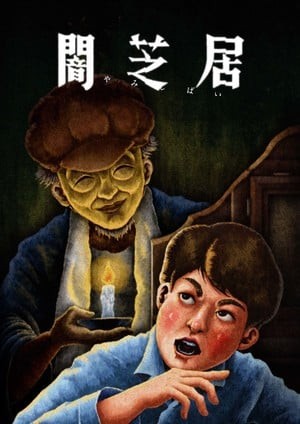
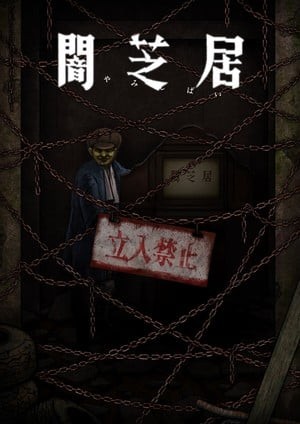
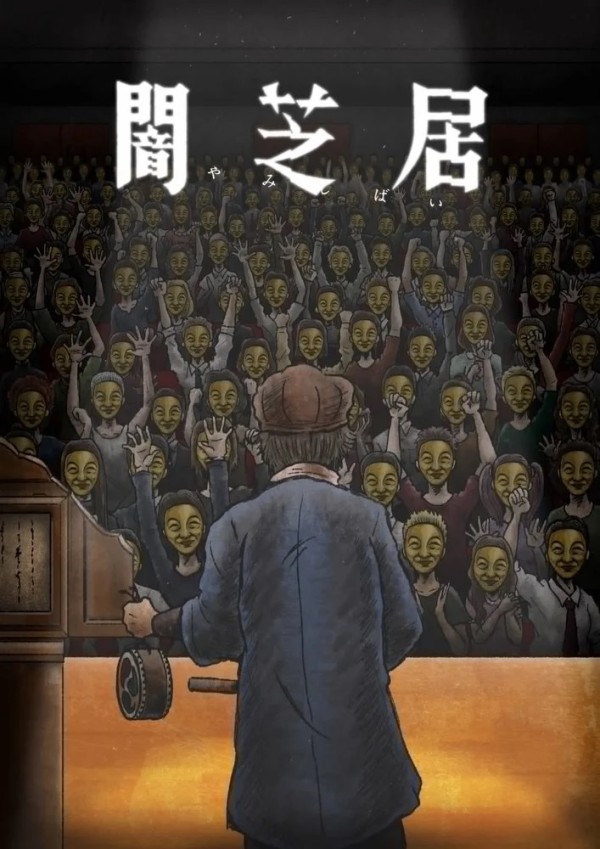
"Yamishibai: Japanese Ghost Stories" is an anthology-style anime series that presents self-contained horror stories inspired by Japanese folklore, urban legends, and supernatural tales. Each episode is brief, typically running for about four to five minutes, and adopts a distinctive art style reminiscent of traditional kamishibai, a form of Japanese street theater that uses illustrated boards to tell stories. The series is structured as a collection of eerie narratives, often featuring ordinary individuals encountering the supernatural in unsettling and unexpected ways.
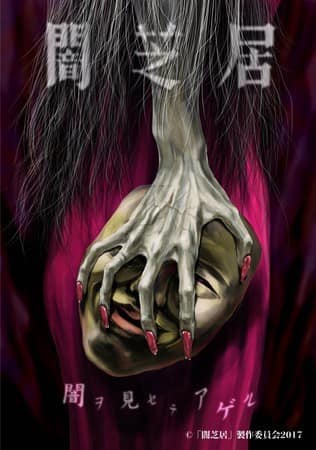
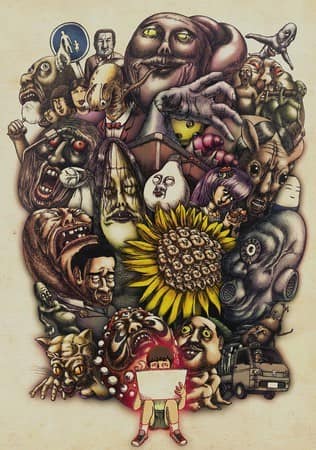
The stories vary widely in theme and setting but are unified by their focus on the macabre and the unknown. Common motifs include vengeful spirits, cursed objects, haunted locations, and encounters with yokai, traditional Japanese monsters. Many episodes draw from well-known Japanese ghost stories, such as the tale of the slit-mouthed woman (Kuchisake-onna) or the cursed Okiku doll, while others explore lesser-known or original folklore-inspired tales. The narratives frequently conclude with a twist or a chilling revelation, leaving the audience with a sense of unease.
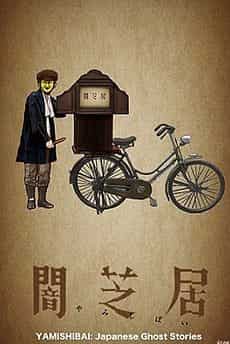
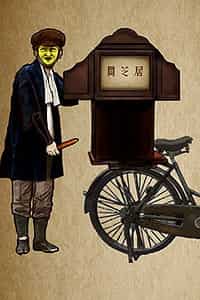
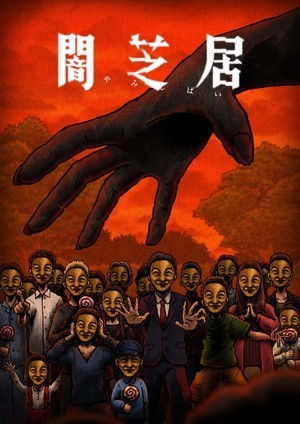
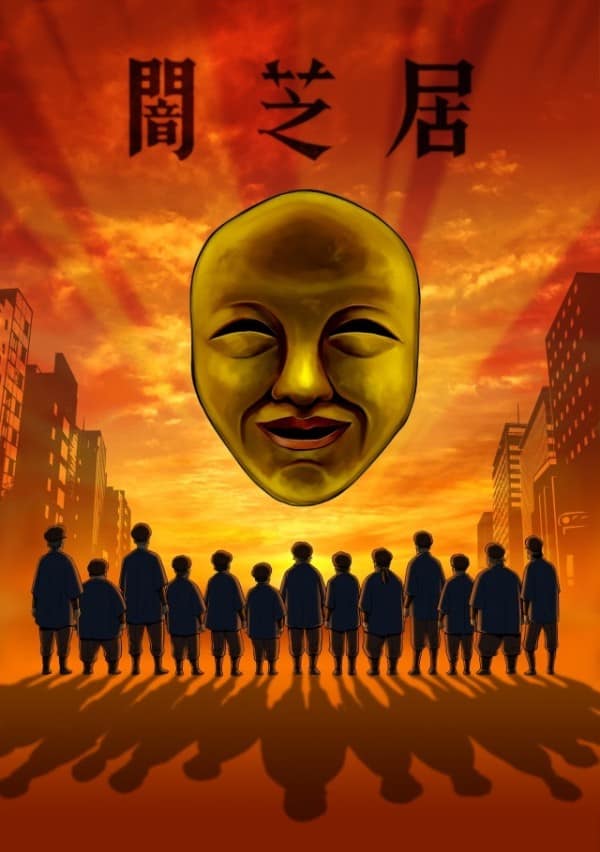
A recurring framing device involves an enigmatic old man in a yellow mask who visits a playground and gathers children to tell them these ghost stories. This character serves as the narrator, introducing each tale and setting the tone for the eerie events that follow. The old man’s presence adds a layer of mystery and continuity to the otherwise standalone episodes.
The characters in each story are typically ordinary people—students, office workers, families, or travelers—who find themselves in extraordinary and terrifying situations. Their reactions to the supernatural range from curiosity to sheer terror, often highlighting human vulnerability in the face of the unknown. The series does not focus on recurring protagonists, as each episode features a new cast of characters, allowing for a diverse range of perspectives and experiences.
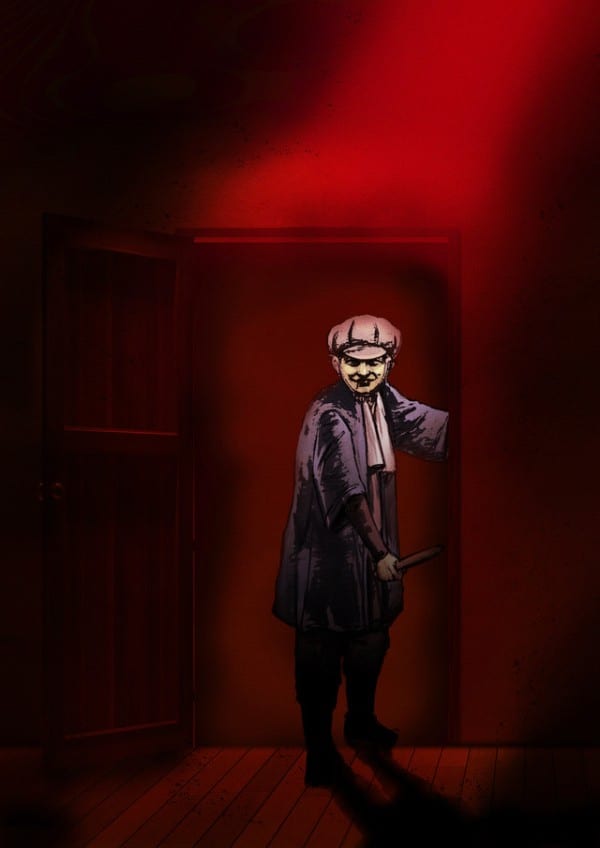
The pacing is deliberate, with a focus on building tension and atmosphere rather than relying on graphic violence or jump scares. The minimalist animation style, characterized by stark contrasts and limited movement, enhances the unsettling tone of the series. Sound design plays a crucial role, with eerie sound effects and a haunting score contributing to the overall sense of dread.
"Yamishibai: Japanese Ghost Stories" is structured to evoke a sense of timelessness, blending modern settings with traditional folklore elements. The series explores themes of guilt, retribution, and the consequences of meddling with forces beyond human understanding. Its episodic format and concise storytelling make it accessible to viewers seeking quick, impactful horror experiences rooted in Japanese cultural traditions.
The stories vary widely in theme and setting but are unified by their focus on the macabre and the unknown. Common motifs include vengeful spirits, cursed objects, haunted locations, and encounters with yokai, traditional Japanese monsters. Many episodes draw from well-known Japanese ghost stories, such as the tale of the slit-mouthed woman (Kuchisake-onna) or the cursed Okiku doll, while others explore lesser-known or original folklore-inspired tales. The narratives frequently conclude with a twist or a chilling revelation, leaving the audience with a sense of unease.
A recurring framing device involves an enigmatic old man in a yellow mask who visits a playground and gathers children to tell them these ghost stories. This character serves as the narrator, introducing each tale and setting the tone for the eerie events that follow. The old man’s presence adds a layer of mystery and continuity to the otherwise standalone episodes.
The characters in each story are typically ordinary people—students, office workers, families, or travelers—who find themselves in extraordinary and terrifying situations. Their reactions to the supernatural range from curiosity to sheer terror, often highlighting human vulnerability in the face of the unknown. The series does not focus on recurring protagonists, as each episode features a new cast of characters, allowing for a diverse range of perspectives and experiences.
The pacing is deliberate, with a focus on building tension and atmosphere rather than relying on graphic violence or jump scares. The minimalist animation style, characterized by stark contrasts and limited movement, enhances the unsettling tone of the series. Sound design plays a crucial role, with eerie sound effects and a haunting score contributing to the overall sense of dread.
"Yamishibai: Japanese Ghost Stories" is structured to evoke a sense of timelessness, blending modern settings with traditional folklore elements. The series explores themes of guilt, retribution, and the consequences of meddling with forces beyond human understanding. Its episodic format and concise storytelling make it accessible to viewers seeking quick, impactful horror experiences rooted in Japanese cultural traditions.
Episodes
Staffel 1
1Tongue
2Fish Tank
3Sewing Shears
4Red High Heel
5Night Bus
6Guess Who?
7Footsteps
8Cassette Tape
9Grinding Teeth
10Calling Crane
11White Line
12Snow Hut
13Underground Walkway
Comment(s)
Staff
- DirectorMasaya Kaneko
- ProducerNobuyuki HosoyaMotoki Hirose
- ScriptHiromu Kumamoto
Production
- Animation ProductionILCA
Relations
Anime overview