TV-Series
Description
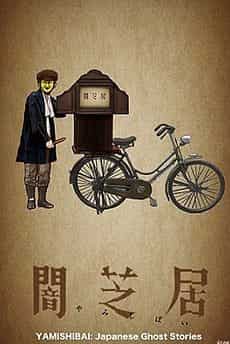
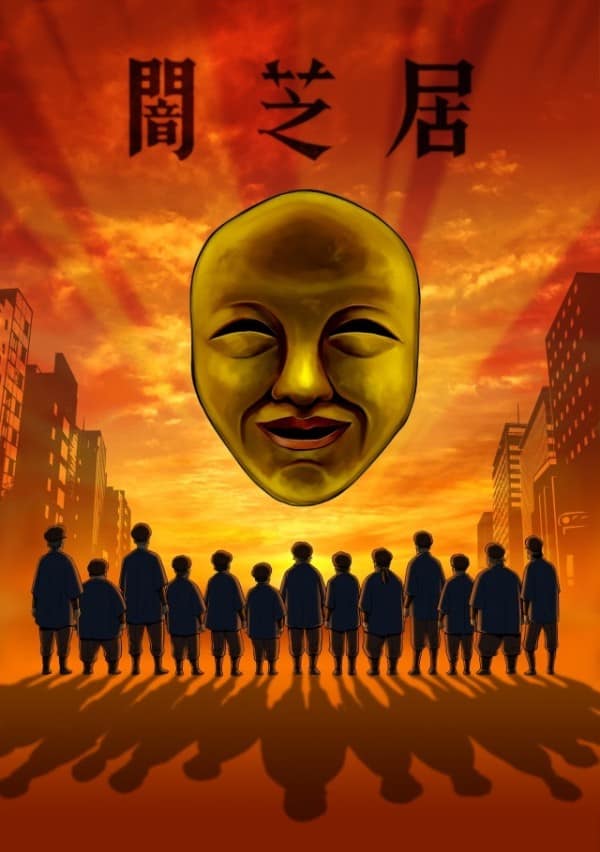
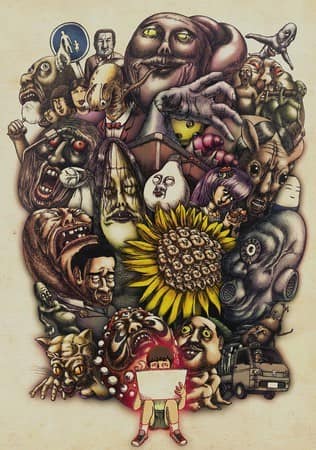
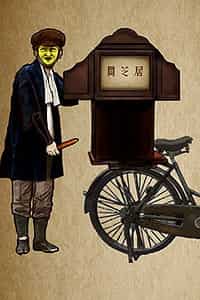
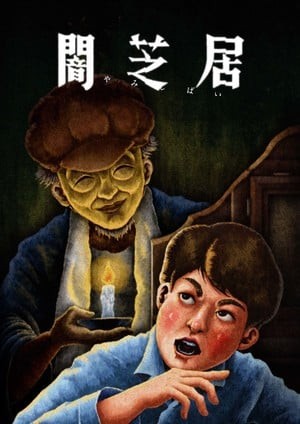
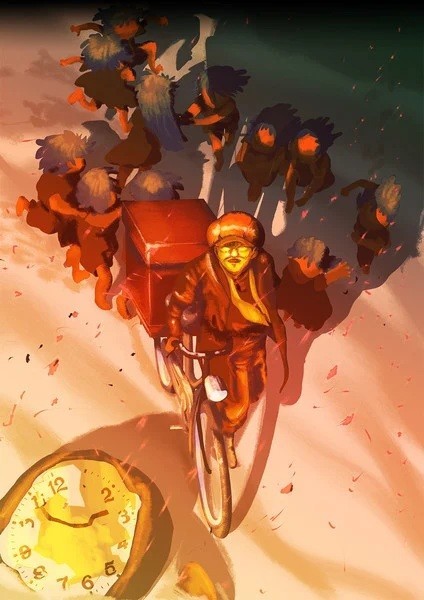
Every week at 5 p.m., an old man wearing a yellow mask arrives at a children's playground. He carries a wooden box on the back of his bicycle, a traditional kamishibai paper-scrolling theater, and uses it to tell sinister tales based on Japanese urban legends and folklore. This mysterious storyteller, whose true name and origin are unknown, does not simply narrate stories but draws his young audience into a vicious world of horror where the mundane becomes nightmarish.
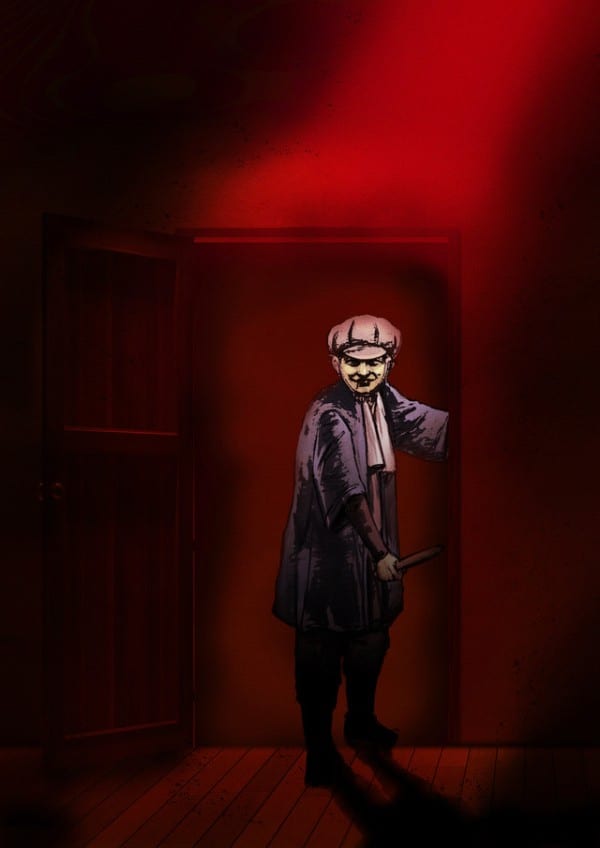
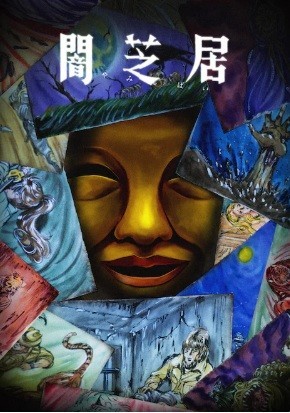
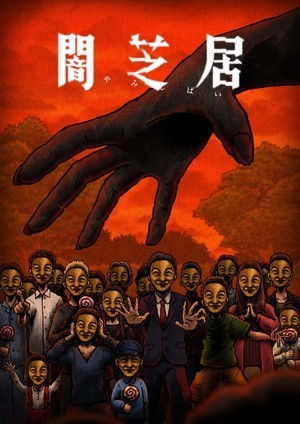
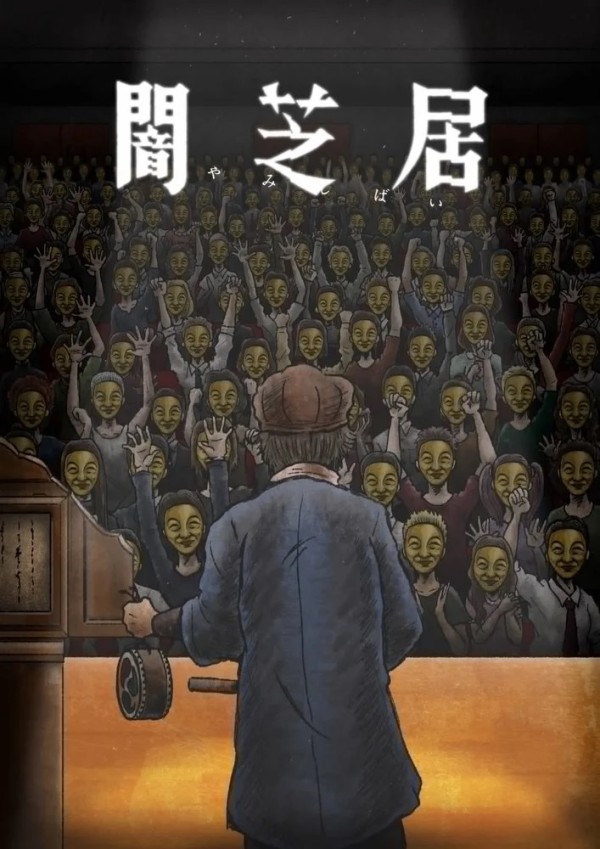
The series is an anthology, with each self-contained episode running approximately four minutes. The animation mimics the aesthetic of a kamishibai performance, using still paper cutout figures, jagged movements, and occasional live-action elements or photographs, creating a deliberately unsettling and eerie atmosphere. The first episode of the initial season, The Talisman Woman, follows a young bachelor named Ito who moves into a new apartment and notices a protective talisman stuck to his ceiling. After removing it, he becomes aware of a mysterious woman staring at him from across the street, only to discover that the talisman was the only thing separating him from a swarm of ghosts. Other early episodes draw on classic folk motifs, such as Zanbai, which involves a hospital patient who learns that the cheering villagers outside are performing a reverse banzai ritual to trap his soul, and The Family Rule, where a family must wear smiling masks and laugh all night to ward off an ancestor's ghost.
The series has continued for many seasons, with the setting and appearance of the storyteller occasionally shifting. In the third season, the yellow-masked old man is replaced by a boy who sits on a playground slide, singing a cryptic song and drawing illustrations of creatures. Later seasons see the narrator telling stories in a forest, a dark apartment, a busy urban intersection, or to audiences composed of animals from the Chinese zodiac. Despite these changes in framing, the core structure remains consistent: short, punchy horror tales that rely on atmosphere, sudden shocks, and the creepy potential of everyday situations. Common themes include cursed objects, haunted apartments, strange neighbors, and rituals that go horribly wrong. Episodes such as Contradiction show the series playing with perspective and memory, as two friends give conflicting accounts of a trip to an abandoned hospital, each accusing the other of being replaced by a doppelgänger. The strength of Yamishibai lies in its brevity and its ability to distill a complete ghost story into just a few minutes, leaving a lingering sense of unease long after the episode ends.
The series is an anthology, with each self-contained episode running approximately four minutes. The animation mimics the aesthetic of a kamishibai performance, using still paper cutout figures, jagged movements, and occasional live-action elements or photographs, creating a deliberately unsettling and eerie atmosphere. The first episode of the initial season, The Talisman Woman, follows a young bachelor named Ito who moves into a new apartment and notices a protective talisman stuck to his ceiling. After removing it, he becomes aware of a mysterious woman staring at him from across the street, only to discover that the talisman was the only thing separating him from a swarm of ghosts. Other early episodes draw on classic folk motifs, such as Zanbai, which involves a hospital patient who learns that the cheering villagers outside are performing a reverse banzai ritual to trap his soul, and The Family Rule, where a family must wear smiling masks and laugh all night to ward off an ancestor's ghost.
The series has continued for many seasons, with the setting and appearance of the storyteller occasionally shifting. In the third season, the yellow-masked old man is replaced by a boy who sits on a playground slide, singing a cryptic song and drawing illustrations of creatures. Later seasons see the narrator telling stories in a forest, a dark apartment, a busy urban intersection, or to audiences composed of animals from the Chinese zodiac. Despite these changes in framing, the core structure remains consistent: short, punchy horror tales that rely on atmosphere, sudden shocks, and the creepy potential of everyday situations. Common themes include cursed objects, haunted apartments, strange neighbors, and rituals that go horribly wrong. Episodes such as Contradiction show the series playing with perspective and memory, as two friends give conflicting accounts of a trip to an abandoned hospital, each accusing the other of being replaced by a doppelgänger. The strength of Yamishibai lies in its brevity and its ability to distill a complete ghost story into just a few minutes, leaving a lingering sense of unease long after the episode ends.
Cast
- Storyteller
Comment(s)
Staff
- DirectorAkira Funada
- StoryboardChōji YoshikawaKazuma TaketaniShōma Mutō
- ScriptHiromu KumamotoMitsuhiro SasakiKanako Ishigami
- ProducerNorio YamakawaTakuya IwasakiAkira Funada
Production
- Animation ProductionILCA
Relations
Anime overview