TV-Series
Description
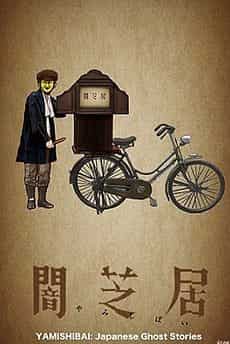
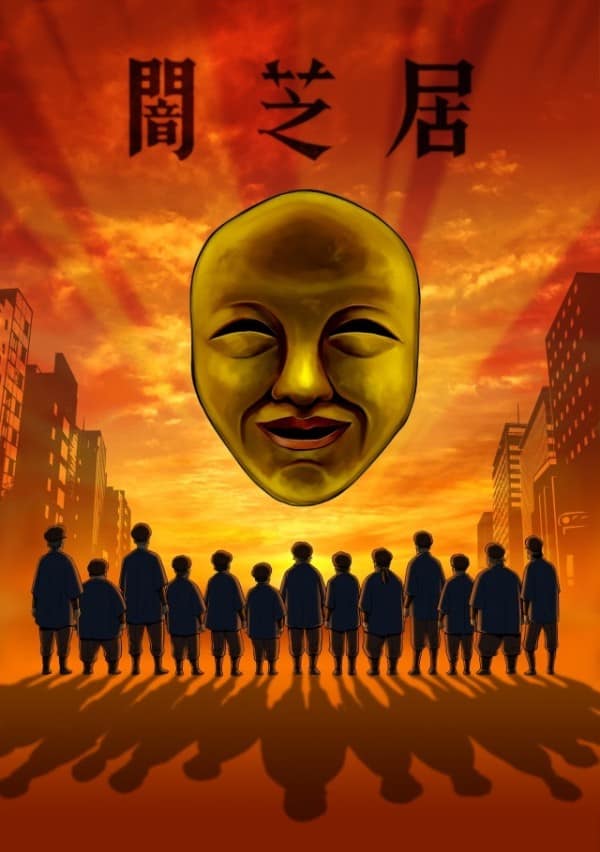
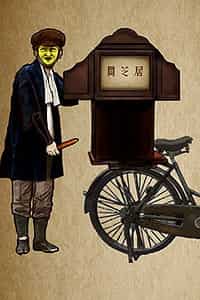
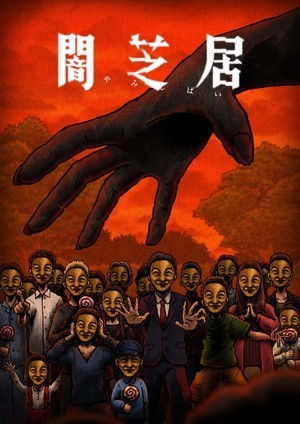
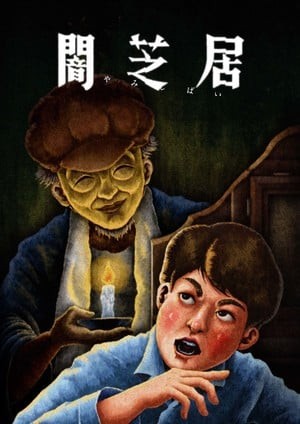
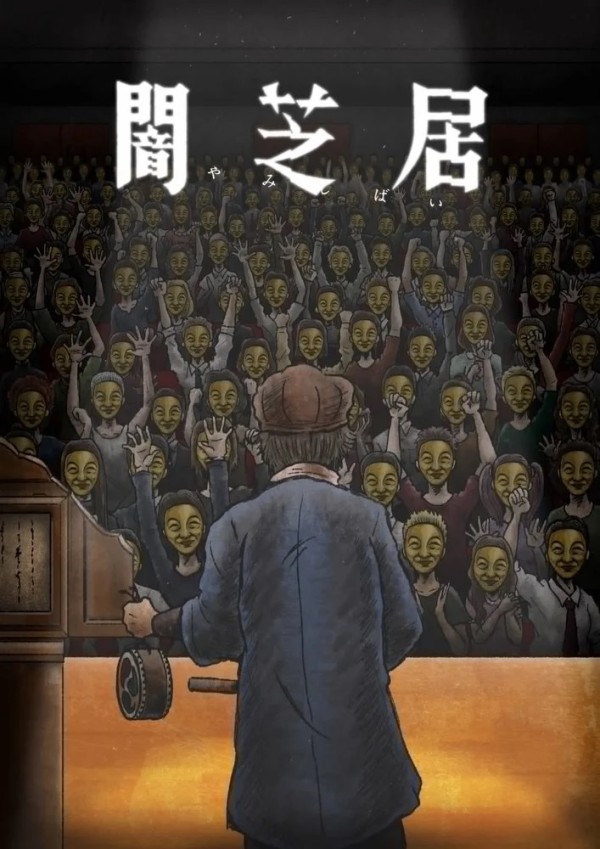
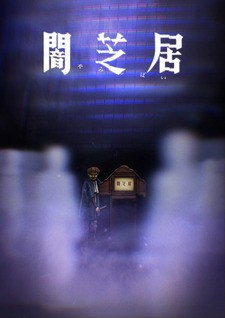
Every week at 5 p.m., a mysterious old man wearing a yellow mask appears at a children's playground. He carries a wooden box on the back of his bicycle, a traditional kamishibai paper-scrolling theatre. As he calls children to gather around, he begins to recite a new tale, each one a sinister story drawn from Japanese urban legends, folklore, and modern myths. The man is known only as the Storyteller, and neither his true name nor his origin is ever revealed. His audience of young children listens intently as he narrates these horrifying vignettes, while his kamishibai provides stark, unsettling visuals to accompany the demented narration.
The series is an anthology, meaning each episode presents a completely new story with its own characters and setting. There are no recurring protagonists across the episodes, only the framing device of the Storyteller and his young audience. The tales are short, typically lasting only four to five minutes, and focus on everyday people who encounter supernatural phenomena. One episode follows a bachelor who moves into a new apartment and finds a protective talisman stuck to his ceiling, which he removes only to discover a terrifying woman staring at him from across the street. Another tells of a man who wakes up in a hospital with no memory of how he arrived, only to find that the other patients are silently performing a reverse banzai ritual called Zanbai to prevent him from ever leaving the village alive. A third concerns a family that moves into a country home and learns a disturbing ritual from the grandfather: all adults must stay inside and pretend to laugh all night long to ward off the evil ghost of an ancestor.
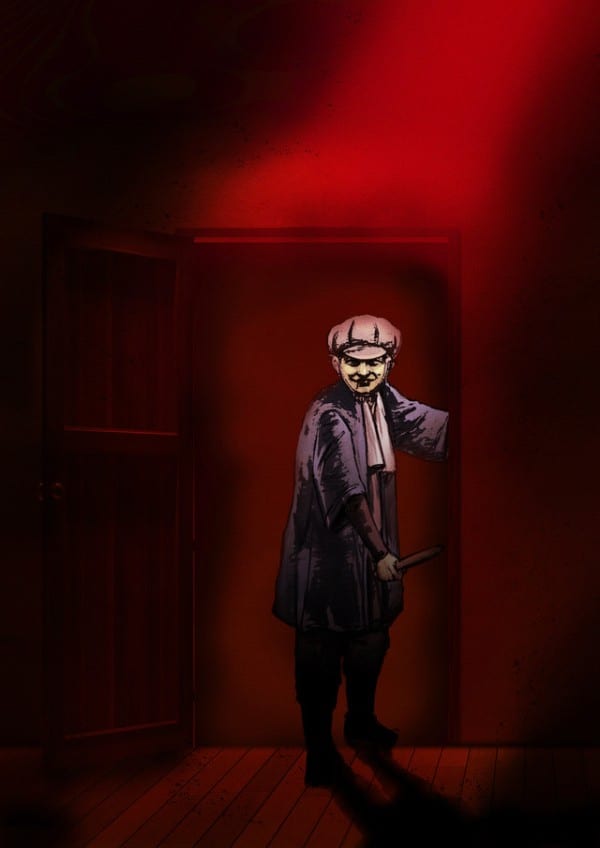
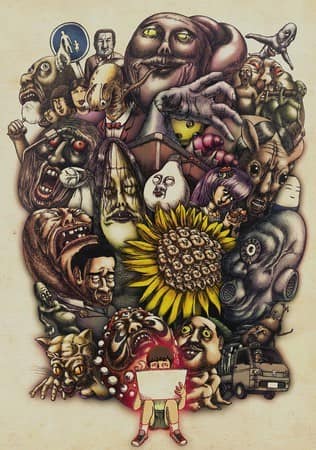
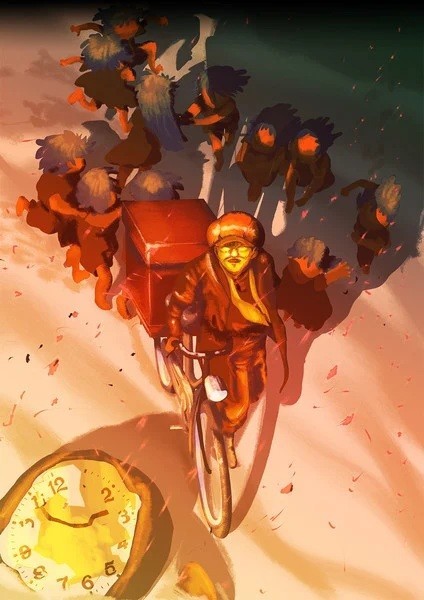
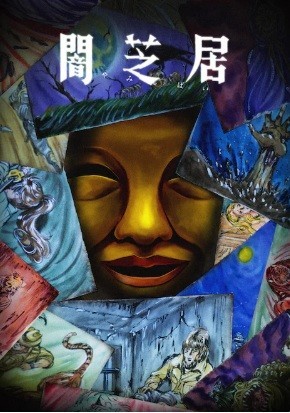
The series is noted for its distinctive animation style, which mimics the kamishibai method using still images, limited movement, rough paper textures, and occasional live-action elements. This approach, combined with the use of shadow and sudden, jarring sounds, creates an unsettling atmosphere reminiscent of campfire ghost stories or old horror comics. While the first two seasons maintain the classic format of the yellow-masked Storyteller in a playground, subsequent seasons experiment with the framing device. In the third season, the Storyteller appears as a young boy who sits on a playground slide and draws illustrations of monsters while singing a haunting rhyme. In later seasons, he tells his tales in different settings, such as a forest, a creepy dark apartment, a busy urban intersection, and to audiences that include only women or animals representing the Chinese zodiac. The Storyteller himself remains a constant, enigmatic presence, and at the end of each episode, his yellow mask is often seen moving or singing the closing theme on its own.
The series does not follow a single linear narrative arc. Instead, each season is a collection of independent horror shorts tied together by the recurring figure of the Storyteller and his kamishibai. However, the seasons themselves have loose themes. The fifth season focuses on female-centric horror, the sixth on stories about natural phenomena, and the seventh on tales set in confined, claustrophobic spaces. Later seasons explore themes such as rules, nostalgia, and desire. The only recurring character across the entire series is the yellow-masked Storyteller, who acts as a master of ceremonies guiding the audience through a catalogue of terror. The children listening to him are never named and serve only as silent witnesses, reflecting the viewer's own position as someone being told a frightening story.
The series is an anthology, meaning each episode presents a completely new story with its own characters and setting. There are no recurring protagonists across the episodes, only the framing device of the Storyteller and his young audience. The tales are short, typically lasting only four to five minutes, and focus on everyday people who encounter supernatural phenomena. One episode follows a bachelor who moves into a new apartment and finds a protective talisman stuck to his ceiling, which he removes only to discover a terrifying woman staring at him from across the street. Another tells of a man who wakes up in a hospital with no memory of how he arrived, only to find that the other patients are silently performing a reverse banzai ritual called Zanbai to prevent him from ever leaving the village alive. A third concerns a family that moves into a country home and learns a disturbing ritual from the grandfather: all adults must stay inside and pretend to laugh all night long to ward off the evil ghost of an ancestor.
The series is noted for its distinctive animation style, which mimics the kamishibai method using still images, limited movement, rough paper textures, and occasional live-action elements. This approach, combined with the use of shadow and sudden, jarring sounds, creates an unsettling atmosphere reminiscent of campfire ghost stories or old horror comics. While the first two seasons maintain the classic format of the yellow-masked Storyteller in a playground, subsequent seasons experiment with the framing device. In the third season, the Storyteller appears as a young boy who sits on a playground slide and draws illustrations of monsters while singing a haunting rhyme. In later seasons, he tells his tales in different settings, such as a forest, a creepy dark apartment, a busy urban intersection, and to audiences that include only women or animals representing the Chinese zodiac. The Storyteller himself remains a constant, enigmatic presence, and at the end of each episode, his yellow mask is often seen moving or singing the closing theme on its own.
The series does not follow a single linear narrative arc. Instead, each season is a collection of independent horror shorts tied together by the recurring figure of the Storyteller and his kamishibai. However, the seasons themselves have loose themes. The fifth season focuses on female-centric horror, the sixth on stories about natural phenomena, and the seventh on tales set in confined, claustrophobic spaces. Later seasons explore themes such as rules, nostalgia, and desire. The only recurring character across the entire series is the yellow-masked Storyteller, who acts as a master of ceremonies guiding the audience through a catalogue of terror. The children listening to him are never named and serve only as silent witnesses, reflecting the viewer's own position as someone being told a frightening story.
Episodes
Staffel 1
1Dropped Handkerchief
2Death Day
3Don't Look Back
4Bean-Throwing
5The Sound of Laughter
6Catch of the Day
7Issun Boshi
8Viewing
9Antlion Pit
10Footprints in the Snow
11Curse
12String Telephone
13Sleeptalking
Comment(s)
Production
- Animation ProductionILCA
Relations
Anime overview