TV-Series
Description
"Magical Taruruuto-kun" centers on Taruruuto, a mischievous and bumbling young magician from the magical world who is sent to the human world as part of his training. Despite his magical abilities, Taruruuto often struggles with his spells, leading to chaotic and humorous situations. His primary goal is to assist humans with their problems, but his lack of skill frequently results in unintended consequences.
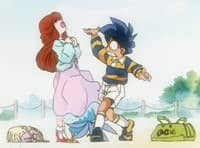
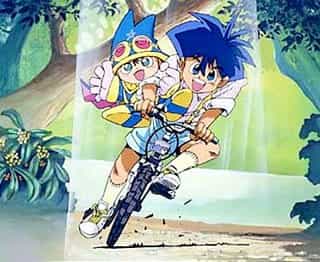
The series primarily follows Taruruuto’s interactions with Kentarou Hoshino, a kind-hearted but ordinary elementary school boy who becomes his primary companion. Kentarou often finds himself caught up in Taruruuto’s magical mishaps, which range from comedic misunderstandings to more fantastical adventures. The duo is joined by other characters, including Taruruuto’s rival, the more competent magician Akane, and various magical beings who occasionally cross over from the magical world.
The narrative structure is episodic, with each episode presenting a self-contained story that explores themes of friendship, perseverance, and the consequences of one’s actions. Taruruuto’s magical blunders often serve as the catalyst for these stories, creating scenarios where the characters must work together to resolve the resulting chaos. The tone is lighthearted and comedic, with occasional moments of heartfelt emotion as the characters grow and learn from their experiences.
The magical world is depicted as a whimsical and fantastical realm, contrasting with the mundane human world. This juxtaposition allows for a variety of imaginative scenarios, from Taruruuto accidentally transforming objects or people to encounters with magical creatures. Despite the fantastical elements, the series maintains a grounded focus on the relationships between the characters, particularly the bond between Taruruuto and Kentarou.
Overall, "Magical Taruruuto-kun" blends comedy, fantasy, and slice-of-life elements to create a series that appeals to a younger audience while offering moments of charm and creativity. The episodic nature of the story ensures a wide variety of scenarios, keeping the narrative fresh and engaging throughout its run.
The series primarily follows Taruruuto’s interactions with Kentarou Hoshino, a kind-hearted but ordinary elementary school boy who becomes his primary companion. Kentarou often finds himself caught up in Taruruuto’s magical mishaps, which range from comedic misunderstandings to more fantastical adventures. The duo is joined by other characters, including Taruruuto’s rival, the more competent magician Akane, and various magical beings who occasionally cross over from the magical world.
The narrative structure is episodic, with each episode presenting a self-contained story that explores themes of friendship, perseverance, and the consequences of one’s actions. Taruruuto’s magical blunders often serve as the catalyst for these stories, creating scenarios where the characters must work together to resolve the resulting chaos. The tone is lighthearted and comedic, with occasional moments of heartfelt emotion as the characters grow and learn from their experiences.
The magical world is depicted as a whimsical and fantastical realm, contrasting with the mundane human world. This juxtaposition allows for a variety of imaginative scenarios, from Taruruuto accidentally transforming objects or people to encounters with magical creatures. Despite the fantastical elements, the series maintains a grounded focus on the relationships between the characters, particularly the bond between Taruruuto and Kentarou.
Overall, "Magical Taruruuto-kun" blends comedy, fantasy, and slice-of-life elements to create a series that appeals to a younger audience while offering moments of charm and creativity. The episodic nature of the story ensures a wide variety of scenarios, keeping the narrative fresh and engaging throughout its run.
Comment(s)
Staff
- Series DirectorShigeyasu YamauchiMasahiko Ōkura
- ScriptKenichi KanemakiAya MatsuiYoshiyuki SugaKatsuyuki Sumisawa
- MusicSeiji Yokoyama
- Animation DirectorYoshitaka KoyamaTatsufumi TamagawaMitsuru AoyamaMasayuki UchiyamaKenichi ChikanagaEikichi TakahashiSawako YamamotoMasami AbeTetsuya KumagaiHiroyuki KawanoTakayuki GoraiSetsuko HaradaKatsutoshi IsshiHaruya NakahiraMasahiko Ōkura
- ProducerTomoya HiraoYoshifumi HatanoHiromi SekiYuko Sagawa
- Series CompositionYoshiyuki Suga
- Episode DirectorYukio KaizawaShigeyasu YamauchiYoshihiro OkaJunji ShimizuHiroshi ShidaraTakao IwaiKazuhito KikuchiTōru YamadaYuji EndōHiroyuki Kakudō
- Original story
- Art designMataji Urata
- Character DesignMasahiko Ōkura
Production
- ProductionShueishaAsatsu
Relations