OVA
Description
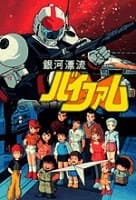
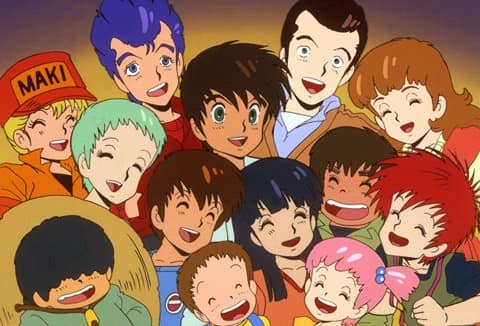
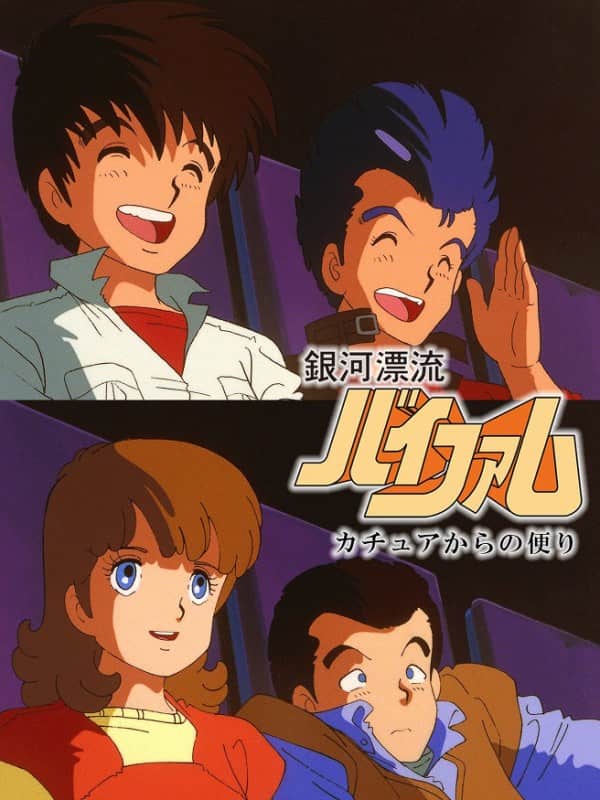
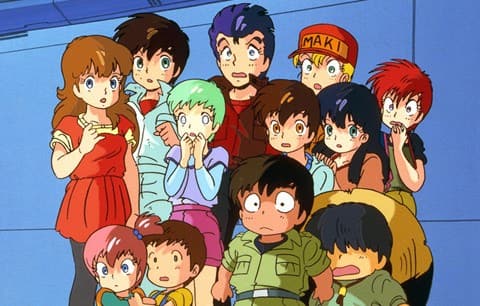
In "Ginga Hyōryū Vifam: Kieta 12-nin," a group of children is left to fend for themselves after their parents and the adult crew of the colonization ship Janus mysteriously vanish during a routine mission. The story begins with the Janus, carrying 12 families to a new planet, encountering an anomaly that causes the adults to disappear without explanation. The 13 children aboard, ranging in age from 7 to 14, are left to navigate the ship and survive in deep space. The protagonist, 13-year-old Juli M. Hartford, emerges as the de facto leader, guiding the group through the challenges of space travel, resource management, and interpersonal conflicts.
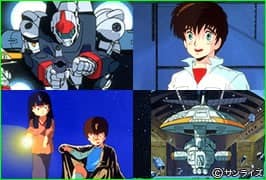
The children face numerous obstacles, including mechanical failures, dwindling supplies, and encounters with hostile alien forces. As they search for their missing parents, they also grapple with their own fears, insecurities, and the weight of responsibility. The narrative explores themes of resilience, teamwork, and the loss of innocence as the children mature under extraordinary circumstances. Over time, they learn to operate the ship’s advanced systems, including the Vifam combat robots, which become crucial in defending themselves against external threats.
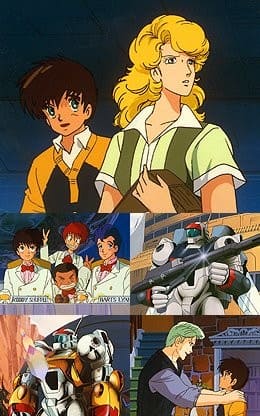
The series balances episodic adventures with an overarching mystery surrounding the disappearance of the adults and the true nature of the Janus’ mission. The children’s journey takes them to various planets and space stations, where they encounter both allies and adversaries. Key characters include Juli’s younger brother, Kotsett, who struggles with feelings of inadequacy, and the resourceful and level-headed Chato, who often provides technical expertise. The group’s dynamic evolves as they confront internal disagreements and external dangers, ultimately forging a strong bond that helps them persevere.
"Ginga Hyōryū Vifam: Kieta 12-nin" is a science fiction drama that emphasizes character development and the emotional struggles of its young cast. The story’s focus on survival and self-reliance, combined with its exploration of space exploration and human resilience, creates a compelling narrative that appeals to fans of both mecha and coming-of-age genres. The series maintains a steady pace, blending action, mystery, and heartfelt moments as the children strive to uncover the truth and find their place in the universe.
The children face numerous obstacles, including mechanical failures, dwindling supplies, and encounters with hostile alien forces. As they search for their missing parents, they also grapple with their own fears, insecurities, and the weight of responsibility. The narrative explores themes of resilience, teamwork, and the loss of innocence as the children mature under extraordinary circumstances. Over time, they learn to operate the ship’s advanced systems, including the Vifam combat robots, which become crucial in defending themselves against external threats.
The series balances episodic adventures with an overarching mystery surrounding the disappearance of the adults and the true nature of the Janus’ mission. The children’s journey takes them to various planets and space stations, where they encounter both allies and adversaries. Key characters include Juli’s younger brother, Kotsett, who struggles with feelings of inadequacy, and the resourceful and level-headed Chato, who often provides technical expertise. The group’s dynamic evolves as they confront internal disagreements and external dangers, ultimately forging a strong bond that helps them persevere.
"Ginga Hyōryū Vifam: Kieta 12-nin" is a science fiction drama that emphasizes character development and the emotional struggles of its young cast. The story’s focus on survival and self-reliance, combined with its exploration of space exploration and human resilience, creates a compelling narrative that appeals to fans of both mecha and coming-of-age genres. The series maintains a steady pace, blending action, mystery, and heartfelt moments as the children strive to uncover the truth and find their place in the universe.
Cast
- Roddy Shuffle
Comment(s)
Staff
- Director
- MusicToshiyuki Watanabe
- Original Concept
- Character Design
- ProducerMasuo UedaMasanori Itō
- Sound DirectorKatsumi Ōta
- ScreenplayYasushi Hirano
- Original Work
- Original creator
- Art DirectorToshiharu Mizutani
- Mechanical designKunio Ōkawara
- Director of PhotographyHōsaku Miura
Production
- ProductionSunrise