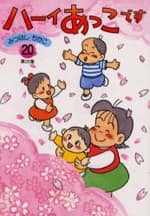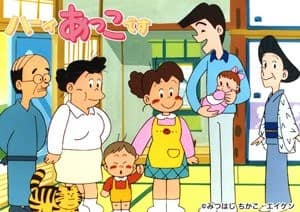
TV-Series
Description
"Hai Akko Desu" centers on Akko, a spirited and somewhat clumsy high school girl navigating the challenges of adolescence while balancing her personal aspirations with societal expectations. The narrative unfolds in a small, picturesque town where Akko lives with her family, including her overbearing but well-meaning mother and her younger brother, who often serves as a grounding presence in her life. Akko's daily life is a mix of mundane routines and unexpected adventures, often driven by her impulsive nature and desire to stand out.
The story begins with Akko joining her school's drama club, a decision motivated by her admiration for a popular upperclassman, Yuki, who is the club's star performer. Akko's enthusiasm quickly clashes with her lack of experience, leading to comedic and heartfelt moments as she struggles to prove herself. Her journey is marked by a series of misadventures, including botched performances, misunderstandings with classmates, and occasional moments of self-doubt. Despite these setbacks, Akko's determination and optimism gradually earn her the respect and friendship of her peers.
A key subplot involves Akko's evolving relationship with Yuki, who initially views her as a nuisance but eventually comes to appreciate her sincerity and effort. Their dynamic shifts from one-sided admiration to mutual respect, with Yuki occasionally offering guidance to Akko as she hones her skills. The drama club serves as a microcosm of broader themes, such as teamwork, perseverance, and the importance of pursuing one's passions despite obstacles.
Supporting characters add depth to the narrative, including Akko's best friend, Miko, who provides a pragmatic counterbalance to Akko's idealism, and the drama club's advisor, Mr. Tanaka, whose unconventional teaching methods often lead to humorous yet insightful situations. The series also explores Akko's family dynamics, particularly her strained but loving relationship with her mother, who initially disapproves of her involvement in the drama club but eventually becomes one of her biggest supporters.
As the story progresses, Akko faces increasingly significant challenges, culminating in the school's annual cultural festival, where the drama club prepares to stage a major production. The festival serves as a turning point, allowing Akko to showcase her growth and solidify her place within the group. The series concludes on a hopeful note, emphasizing the value of hard work, friendship, and staying true to oneself.
The story begins with Akko joining her school's drama club, a decision motivated by her admiration for a popular upperclassman, Yuki, who is the club's star performer. Akko's enthusiasm quickly clashes with her lack of experience, leading to comedic and heartfelt moments as she struggles to prove herself. Her journey is marked by a series of misadventures, including botched performances, misunderstandings with classmates, and occasional moments of self-doubt. Despite these setbacks, Akko's determination and optimism gradually earn her the respect and friendship of her peers.
A key subplot involves Akko's evolving relationship with Yuki, who initially views her as a nuisance but eventually comes to appreciate her sincerity and effort. Their dynamic shifts from one-sided admiration to mutual respect, with Yuki occasionally offering guidance to Akko as she hones her skills. The drama club serves as a microcosm of broader themes, such as teamwork, perseverance, and the importance of pursuing one's passions despite obstacles.
Supporting characters add depth to the narrative, including Akko's best friend, Miko, who provides a pragmatic counterbalance to Akko's idealism, and the drama club's advisor, Mr. Tanaka, whose unconventional teaching methods often lead to humorous yet insightful situations. The series also explores Akko's family dynamics, particularly her strained but loving relationship with her mother, who initially disapproves of her involvement in the drama club but eventually becomes one of her biggest supporters.
As the story progresses, Akko faces increasingly significant challenges, culminating in the school's annual cultural festival, where the drama club prepares to stage a major production. The festival serves as a turning point, allowing Akko to showcase her growth and solidify her place within the group. The series concludes on a hopeful note, emphasizing the value of hard work, friendship, and staying true to oneself.
Episodes
Staffel 1
1Finally married!
3Joking at night
4Although the water over there is sweet
5Autumn is the time to shape up
6Akko begins Japanese poetry A.
7Could it be a baby
9A present from God
10As expected! Mother
Cast
Comment(s)
Staff
- DirectorToshitaka Tsunoda
- ScriptMami WatanabeChifude AsakuraNaoko MiyakeSatoshi FujimotoToshitaka TsunodaHiroyasu IsshikiMarie TerunumaYachiyo NishioYasutaka Koga
- Episode DirectorToshiaki SuzukiKouichi SasakiTomomasa YamazakiAkio HosoyaShintaro Horikoshi
- Original Manga
- Art DirectorKatsuyoshi KanemuraMoritoshi Endō
- Animation DirectorSeiji MaruyamaEiji SuzukiShinnosuke KusamaEiji FukuyamaKazuko NakayamaHirokazu Ishino
- Director of PhotographySusumu Iizuka
- ProducerShinji NabeshimaYonehiko Watanabe
- Series Composition
- StoryboardToshiaki SuzukiHiroshi YoshidaSatoru NishiuraTeruo KogureTomomasa YamazakiAkio HosoyaToshitaka TsunodaChinami NanbaYūsaku SaotomeShigeru ŌmachiMasao Itō
- Music
- Character DesignHiroko Nagahama
- Chief Animation DirectorKatsutoshi Kobayashi
- Sound DirectorSatoshi Katō
- Executive producerHidenori Murata
Relations
Manga overview