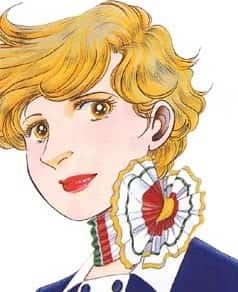
Manga
Description
"Seito Shokun! Kyōshi-hen" is a manga series that delves into the challenges and dynamics of the Japanese education system through the lens of a dedicated teacher and his students. The narrative centers on Shiro Fujisawa, a passionate and idealistic educator who takes on the role of a homeroom teacher at a high school. Fujisawa’s approach to teaching is unconventional, as he prioritizes the personal growth and well-being of his students over rigid academic conformity. His methods often clash with the school’s administration, which is more focused on maintaining discipline and achieving high test scores.
The story explores the lives of various students, each grappling with their own struggles, such as family issues, societal pressures, and personal insecurities. Fujisawa’s interactions with these students form the core of the narrative, as he works to understand their individual circumstances and guide them toward self-discovery and resilience. His mentorship often involves challenging traditional norms and encouraging students to think critically about their futures.
Key characters include students like Yuko, a bright but troubled girl dealing with family dysfunction, and Tetsuo, a rebellious teenager struggling with his identity and purpose. The series also highlights the perspectives of other teachers, who represent a range of attitudes toward education, from strict traditionalists to those sympathetic to Fujisawa’s progressive ideals. The conflicts between these educators reflect broader debates about the purpose of schooling and the role of teachers in shaping young minds.
Throughout the series, Fujisawa’s dedication to his students is tested by institutional resistance, societal expectations, and the complexities of adolescent development. The narrative balances moments of triumph with setbacks, portraying the realities of teaching and learning in a system that often prioritizes results over individual growth. The story’s focus on character development and interpersonal relationships provides a nuanced exploration of the challenges faced by both educators and students in navigating the pressures of academic life.
The story explores the lives of various students, each grappling with their own struggles, such as family issues, societal pressures, and personal insecurities. Fujisawa’s interactions with these students form the core of the narrative, as he works to understand their individual circumstances and guide them toward self-discovery and resilience. His mentorship often involves challenging traditional norms and encouraging students to think critically about their futures.
Key characters include students like Yuko, a bright but troubled girl dealing with family dysfunction, and Tetsuo, a rebellious teenager struggling with his identity and purpose. The series also highlights the perspectives of other teachers, who represent a range of attitudes toward education, from strict traditionalists to those sympathetic to Fujisawa’s progressive ideals. The conflicts between these educators reflect broader debates about the purpose of schooling and the role of teachers in shaping young minds.
Throughout the series, Fujisawa’s dedication to his students is tested by institutional resistance, societal expectations, and the complexities of adolescent development. The narrative balances moments of triumph with setbacks, portraying the realities of teaching and learning in a system that often prioritizes results over individual growth. The story’s focus on character development and interpersonal relationships provides a nuanced exploration of the challenges faced by both educators and students in navigating the pressures of academic life.
Comment(s)
Staff
- Story & Art
Recommendations
Empfehlungen auf Basis gemeinsamer Kategorien.