
Manga
Description
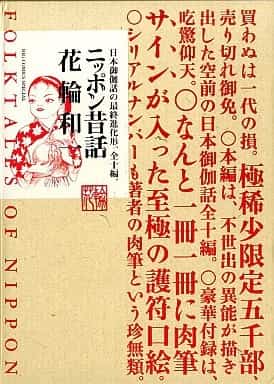
"Folktales of Nippon" is a manga series that adapts traditional Japanese folklore into a cohesive narrative, blending historical and supernatural elements. The story is structured as a collection of interconnected tales, each rooted in the rich cultural heritage of Japan. The series draws from well-known myths, legends, and yokai (supernatural creatures) while weaving them into a broader, overarching plot.
The central narrative revolves around a young protagonist, often a village dweller or a wandering traveler, who becomes entangled in a series of supernatural events. These events are typically triggered by encounters with yokai, spirits, or deities, each representing different aspects of Japanese folklore. The protagonist’s journey is both physical and spiritual, as they navigate a world where the boundaries between the human and supernatural realms are blurred. Along the way, they meet a variety of characters, including wise hermits, mischievous spirits, and vengeful ghosts, each contributing to the protagonist’s growth and understanding of the world.
One recurring theme is the exploration of moral lessons embedded in the folklore. Many stories emphasize the consequences of human actions, such as greed, arrogance, or disrespect for nature, often resulting in supernatural retribution. The protagonist frequently serves as a mediator, resolving conflicts between humans and spirits, and restoring balance to the natural and spiritual worlds. The narrative also highlights the importance of harmony with nature and respect for tradition, reflecting the values inherent in Japanese culture.
The series is episodic in nature, with each chapter or arc focusing on a specific folktale or legend. However, these individual stories are connected by the protagonist’s overarching quest, which often involves uncovering a deeper mystery or confronting a powerful antagonist tied to the supernatural disturbances. The antagonist may be a malevolent yokai, a cursed artifact, or even a human whose actions have disrupted the spiritual order. The resolution of these conflicts typically involves a combination of bravery, wisdom, and adherence to traditional rituals or customs.
The artwork and storytelling style are heavily influenced by traditional Japanese aesthetics, with detailed depictions of landscapes, architecture, and clothing that evoke the historical periods in which the tales are set. The supernatural elements are rendered with a mix of eerie beauty and grotesque detail, capturing the duality of yokai as both fascinating and fearsome beings. The dialogue often incorporates archaic language and proverbs, further immersing the reader in the cultural context of the stories.
Overall, "Folktales of Nippon" serves as both an entertaining narrative and a tribute to Japan’s rich folklore tradition. It successfully adapts timeless tales into a modern format, preserving their cultural significance while presenting them in a way that resonates with contemporary audiences. The series offers a compelling blend of adventure, mystery, and moral reflection, making it a notable addition to the genre of folklore-inspired manga.
The central narrative revolves around a young protagonist, often a village dweller or a wandering traveler, who becomes entangled in a series of supernatural events. These events are typically triggered by encounters with yokai, spirits, or deities, each representing different aspects of Japanese folklore. The protagonist’s journey is both physical and spiritual, as they navigate a world where the boundaries between the human and supernatural realms are blurred. Along the way, they meet a variety of characters, including wise hermits, mischievous spirits, and vengeful ghosts, each contributing to the protagonist’s growth and understanding of the world.
One recurring theme is the exploration of moral lessons embedded in the folklore. Many stories emphasize the consequences of human actions, such as greed, arrogance, or disrespect for nature, often resulting in supernatural retribution. The protagonist frequently serves as a mediator, resolving conflicts between humans and spirits, and restoring balance to the natural and spiritual worlds. The narrative also highlights the importance of harmony with nature and respect for tradition, reflecting the values inherent in Japanese culture.
The series is episodic in nature, with each chapter or arc focusing on a specific folktale or legend. However, these individual stories are connected by the protagonist’s overarching quest, which often involves uncovering a deeper mystery or confronting a powerful antagonist tied to the supernatural disturbances. The antagonist may be a malevolent yokai, a cursed artifact, or even a human whose actions have disrupted the spiritual order. The resolution of these conflicts typically involves a combination of bravery, wisdom, and adherence to traditional rituals or customs.
The artwork and storytelling style are heavily influenced by traditional Japanese aesthetics, with detailed depictions of landscapes, architecture, and clothing that evoke the historical periods in which the tales are set. The supernatural elements are rendered with a mix of eerie beauty and grotesque detail, capturing the duality of yokai as both fascinating and fearsome beings. The dialogue often incorporates archaic language and proverbs, further immersing the reader in the cultural context of the stories.
Overall, "Folktales of Nippon" serves as both an entertaining narrative and a tribute to Japan’s rich folklore tradition. It successfully adapts timeless tales into a modern format, preserving their cultural significance while presenting them in a way that resonates with contemporary audiences. The series offers a compelling blend of adventure, mystery, and moral reflection, making it a notable addition to the genre of folklore-inspired manga.
Comment(s)
Staff
- Story & Art