Manga
Description
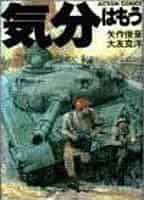
"Kibun wa mō Sensō" is a manga series that explores themes of conflict, identity, and societal upheaval through a narrative centered on a war-torn world. The story unfolds in a dystopian setting where nations are locked in a perpetual state of warfare, driven by ideological divides and resource scarcity. The protagonist, a young soldier named Haruto, is thrust into the chaos as a reluctant participant in the conflict. Haruto’s journey begins when he is conscripted into the military, despite his initial aversion to violence and his desire for a peaceful life. His internal struggle between his moral convictions and the demands of survival forms the emotional core of the narrative.
As the war intensifies, Haruto encounters a diverse cast of characters, each representing different facets of the human experience in times of crisis. Among them is Akira, a seasoned and pragmatic commander who views the war as a necessary evil, and Yuna, a civilian medic whose idealism clashes with the grim realities of the battlefield. The interactions between these characters highlight the complexities of loyalty, sacrifice, and the erosion of humanity in the face of prolonged conflict. The story also delves into the political machinations behind the war, revealing how power struggles and propaganda perpetuate the cycle of violence.
The plot is structured around key battles and strategic maneuvers, interspersed with moments of introspection and character development. Haruto’s evolution from a naive recruit to a hardened yet conflicted soldier is a central arc, as he grapples with the moral ambiguity of his actions and the loss of innocence. The narrative does not shy away from depicting the brutal consequences of war, including the psychological toll on soldiers and the devastation inflicted on civilians. Themes of camaraderie, betrayal, and the search for meaning in a fractured world are woven throughout the story.
As the series progresses, Haruto and his comrades are drawn into a larger conspiracy that challenges their understanding of the war’s origins and purpose. This revelation forces them to confront uncomfortable truths about their society and their own roles within it. The manga balances its exploration of heavy themes with moments of hope and resilience, offering a nuanced portrayal of human nature under extreme circumstances. The story concludes with an open-ended resolution, leaving room for interpretation regarding the future of its characters and the world they inhabit.
As the war intensifies, Haruto encounters a diverse cast of characters, each representing different facets of the human experience in times of crisis. Among them is Akira, a seasoned and pragmatic commander who views the war as a necessary evil, and Yuna, a civilian medic whose idealism clashes with the grim realities of the battlefield. The interactions between these characters highlight the complexities of loyalty, sacrifice, and the erosion of humanity in the face of prolonged conflict. The story also delves into the political machinations behind the war, revealing how power struggles and propaganda perpetuate the cycle of violence.
The plot is structured around key battles and strategic maneuvers, interspersed with moments of introspection and character development. Haruto’s evolution from a naive recruit to a hardened yet conflicted soldier is a central arc, as he grapples with the moral ambiguity of his actions and the loss of innocence. The narrative does not shy away from depicting the brutal consequences of war, including the psychological toll on soldiers and the devastation inflicted on civilians. Themes of camaraderie, betrayal, and the search for meaning in a fractured world are woven throughout the story.
As the series progresses, Haruto and his comrades are drawn into a larger conspiracy that challenges their understanding of the war’s origins and purpose. This revelation forces them to confront uncomfortable truths about their society and their own roles within it. The manga balances its exploration of heavy themes with moments of hope and resilience, offering a nuanced portrayal of human nature under extreme circumstances. The story concludes with an open-ended resolution, leaving room for interpretation regarding the future of its characters and the world they inhabit.
Comment(s)
Staff
- StoryToshihiko Yahagi
Recommendations
Empfehlungen auf Basis gemeinsamer Kategorien.