Manga
Description
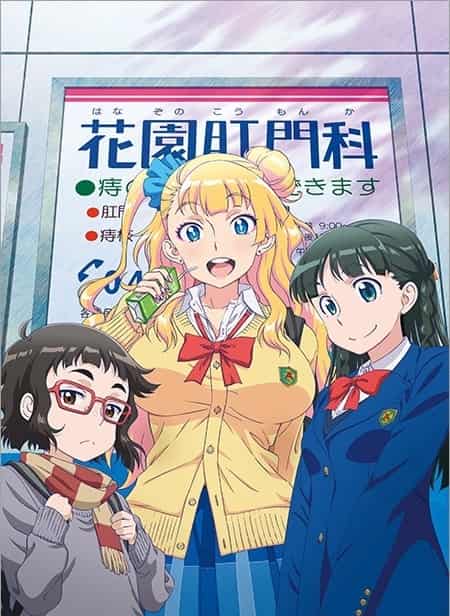
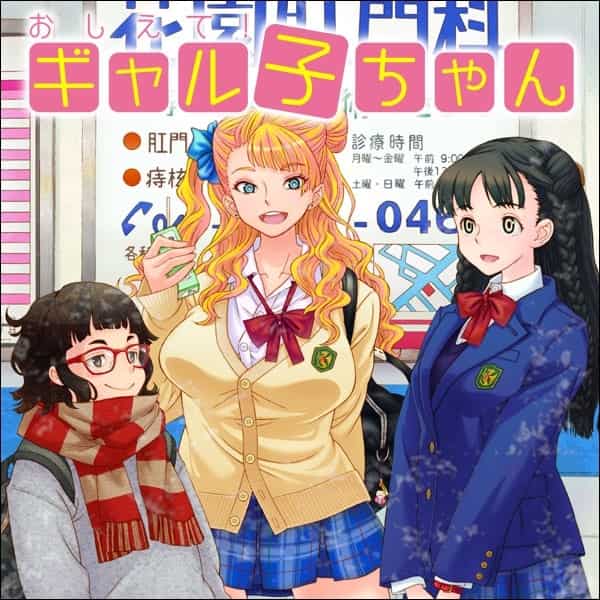
"Please Tell Me! Galko-chan" is a slice-of-life comedy manga that centers around the daily interactions and conversations of three high school girls: Galko, Otako, and Ojou. Galko, the titular character, is a fashionable and outgoing girl whose appearance and demeanor often lead others to mistakenly assume she is a delinquent or superficial. Otako is a quiet, nerdy girl with a deep interest in anime, manga, and otaku culture, often providing deadpan commentary. Ojou is a polite and refined girl from a wealthy family, whose innocent and sheltered nature contrasts with her friends' more worldly perspectives.
The series explores the dynamics of their unlikely friendship, highlighting how their differing personalities and backgrounds lead to humorous and insightful discussions. The narrative is episodic, with each chapter focusing on a specific topic or situation, often revolving around school life, personal insecurities, or societal stereotypes. The girls frequently debunk misconceptions about each other, revealing the complexities and nuances behind their appearances and behaviors. For example, Galko’s tough exterior hides a kind and thoughtful nature, while Otako’s reserved demeanor masks a sharp wit and deep knowledge of niche subjects. Ojou’s naivety often serves as a catalyst for comedic misunderstandings, but she also demonstrates a genuine curiosity and willingness to learn from her friends.
The humor in the series arises from the contrast between the characters’ expectations and realities, as well as their candid conversations about topics ranging from fashion and hygiene to societal norms and personal quirks. Despite their differences, the trio’s friendship is built on mutual respect and understanding, showcasing how people from diverse backgrounds can form meaningful connections. The manga’s lighthearted tone and relatable scenarios make it an engaging exploration of teenage life, friendship, and the importance of looking beyond stereotypes.
The series explores the dynamics of their unlikely friendship, highlighting how their differing personalities and backgrounds lead to humorous and insightful discussions. The narrative is episodic, with each chapter focusing on a specific topic or situation, often revolving around school life, personal insecurities, or societal stereotypes. The girls frequently debunk misconceptions about each other, revealing the complexities and nuances behind their appearances and behaviors. For example, Galko’s tough exterior hides a kind and thoughtful nature, while Otako’s reserved demeanor masks a sharp wit and deep knowledge of niche subjects. Ojou’s naivety often serves as a catalyst for comedic misunderstandings, but she also demonstrates a genuine curiosity and willingness to learn from her friends.
The humor in the series arises from the contrast between the characters’ expectations and realities, as well as their candid conversations about topics ranging from fashion and hygiene to societal norms and personal quirks. Despite their differences, the trio’s friendship is built on mutual respect and understanding, showcasing how people from diverse backgrounds can form meaningful connections. The manga’s lighthearted tone and relatable scenarios make it an engaging exploration of teenage life, friendship, and the importance of looking beyond stereotypes.
Comment(s)
Staff
- Story & Art
Relations
Anime overview