Manga
Description
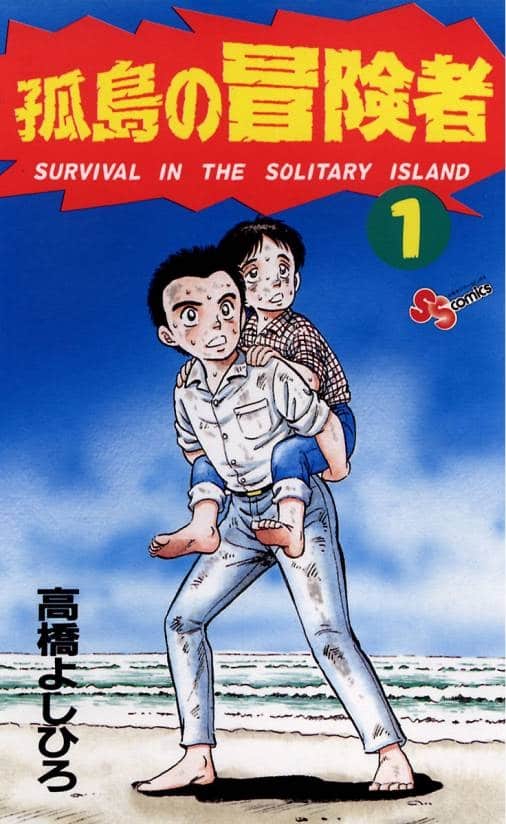
"Survival in the Solitary Island" is a manga series that centers on a group of individuals stranded on a remote, uninhabited island after a catastrophic event. The narrative begins with the sudden crash of a passenger plane, leaving the survivors to grapple with the immediate challenges of isolation, limited resources, and the harsh environment. The protagonist, a resourceful and determined young man named Haruto, emerges as a natural leader, guiding the group through the initial chaos and establishing a semblance of order.
As the survivors attempt to adapt to their new reality, they face a series of escalating challenges. The island itself is fraught with dangers, including predatory wildlife, unpredictable weather, and mysterious natural phenomena. The group must work together to secure food, water, and shelter while navigating interpersonal conflicts and power struggles. Tensions rise as differing survival strategies and moral dilemmas test the cohesion of the group. Some members advocate for cooperation and long-term planning, while others prioritize self-preservation, leading to fractures within the group.
The story delves into the psychological toll of isolation and the constant threat of death. Characters are forced to confront their fears, insecurities, and past traumas, which are gradually revealed through flashbacks and introspective moments. Haruto’s leadership is repeatedly challenged, particularly by a rival survivor, Ryo, whose pragmatic and often ruthless approach to survival creates a stark contrast to Haruto’s more empathetic methods. This dynamic drives much of the interpersonal drama and shapes the group’s evolving dynamics.
As the series progresses, the survivors uncover unsettling clues about the island’s history, suggesting it may not be as uninhabited as it initially appears. Strange artifacts, cryptic symbols, and remnants of previous human activity hint at a deeper mystery. These discoveries introduce an element of suspense and intrigue, as the characters begin to question whether their predicament is entirely natural or the result of some unknown force. The narrative builds toward a climactic exploration of the island’s interior, where the survivors confront both external threats and their own inner demons.
The manga balances survivalist action with character-driven drama, exploring themes of resilience, morality, and the human capacity for adaptation. The pacing alternates between intense, high-stakes sequences and quieter, reflective moments, allowing for a nuanced portrayal of the characters’ emotional and psychological struggles. The art style complements the story’s tone, with detailed depictions of the island’s environment and expressive character designs that convey the physical and emotional toll of their ordeal.
"Survival in the Solitary Island" offers a gripping exploration of survival under extreme conditions, blending action, mystery, and psychological depth. The interplay between the characters and their environment drives the narrative, creating a compelling and immersive story that keeps readers engaged from start to finish.
As the survivors attempt to adapt to their new reality, they face a series of escalating challenges. The island itself is fraught with dangers, including predatory wildlife, unpredictable weather, and mysterious natural phenomena. The group must work together to secure food, water, and shelter while navigating interpersonal conflicts and power struggles. Tensions rise as differing survival strategies and moral dilemmas test the cohesion of the group. Some members advocate for cooperation and long-term planning, while others prioritize self-preservation, leading to fractures within the group.
The story delves into the psychological toll of isolation and the constant threat of death. Characters are forced to confront their fears, insecurities, and past traumas, which are gradually revealed through flashbacks and introspective moments. Haruto’s leadership is repeatedly challenged, particularly by a rival survivor, Ryo, whose pragmatic and often ruthless approach to survival creates a stark contrast to Haruto’s more empathetic methods. This dynamic drives much of the interpersonal drama and shapes the group’s evolving dynamics.
As the series progresses, the survivors uncover unsettling clues about the island’s history, suggesting it may not be as uninhabited as it initially appears. Strange artifacts, cryptic symbols, and remnants of previous human activity hint at a deeper mystery. These discoveries introduce an element of suspense and intrigue, as the characters begin to question whether their predicament is entirely natural or the result of some unknown force. The narrative builds toward a climactic exploration of the island’s interior, where the survivors confront both external threats and their own inner demons.
The manga balances survivalist action with character-driven drama, exploring themes of resilience, morality, and the human capacity for adaptation. The pacing alternates between intense, high-stakes sequences and quieter, reflective moments, allowing for a nuanced portrayal of the characters’ emotional and psychological struggles. The art style complements the story’s tone, with detailed depictions of the island’s environment and expressive character designs that convey the physical and emotional toll of their ordeal.
"Survival in the Solitary Island" offers a gripping exploration of survival under extreme conditions, blending action, mystery, and psychological depth. The interplay between the characters and their environment drives the narrative, creating a compelling and immersive story that keeps readers engaged from start to finish.
Comment(s)
Staff
- Story & ArtYoshihiro Takahashi
Recommendations
Empfehlungen auf Basis gemeinsamer Kategorien.